

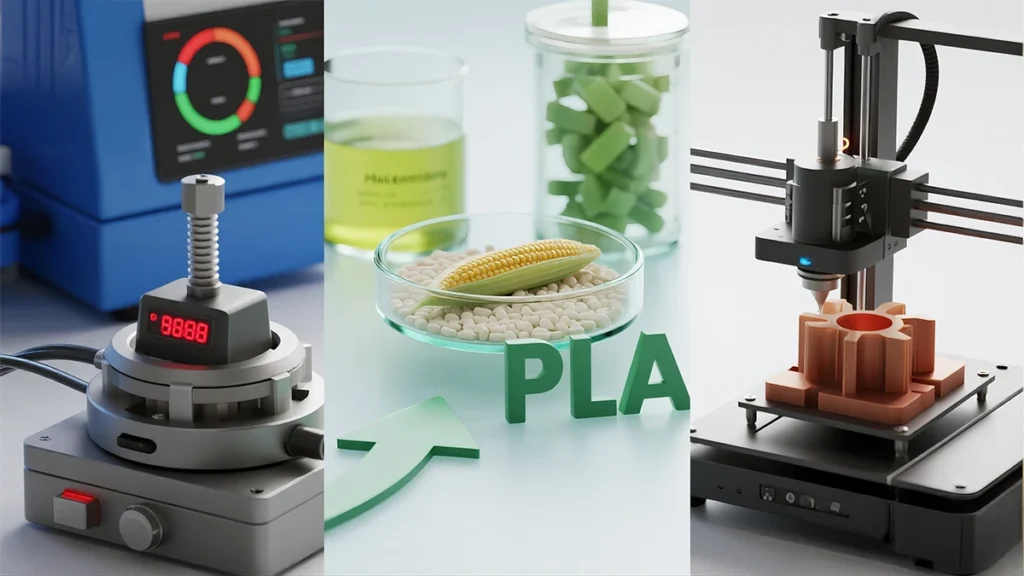
Crude oil is the chief source of the raw material used in plastic manufacturing. However, some are derived from other hydrocarbons, including coal and natural gas. Owing to increasing concern about the plastic pollution burden on the environment and the pressure on diminishing hydrocarbon sources, renewable sources of plastic like starch and cellulose are increasingly coming under scrutiny as viable alternatives. Some plastics from renewable sources are biodegradable, which makes them environmentally friendly.
Plastics from renewable sources are generally called bioplastics, while those from hydrocarbons are called synthetic plastics. In its raw form, plastic is barely useful to anyone. However, through various plastic manufacturing processes, the raw material is transformed into resin or pellets, a form that is useful to plastic manufacturing industries.
Quick Overview of Basic Plastics Manufacturing Processes
Crude oil, which is the raw material for manufacturing synthetic plastic, is acquired from underground reservoirs using drilling rigs. Those giant drills bore holes thousands of meters into the ground with the help of drill bits that cut through rock formations. Once the crude oil is extracted, it goes through the following process to get plastics from it:
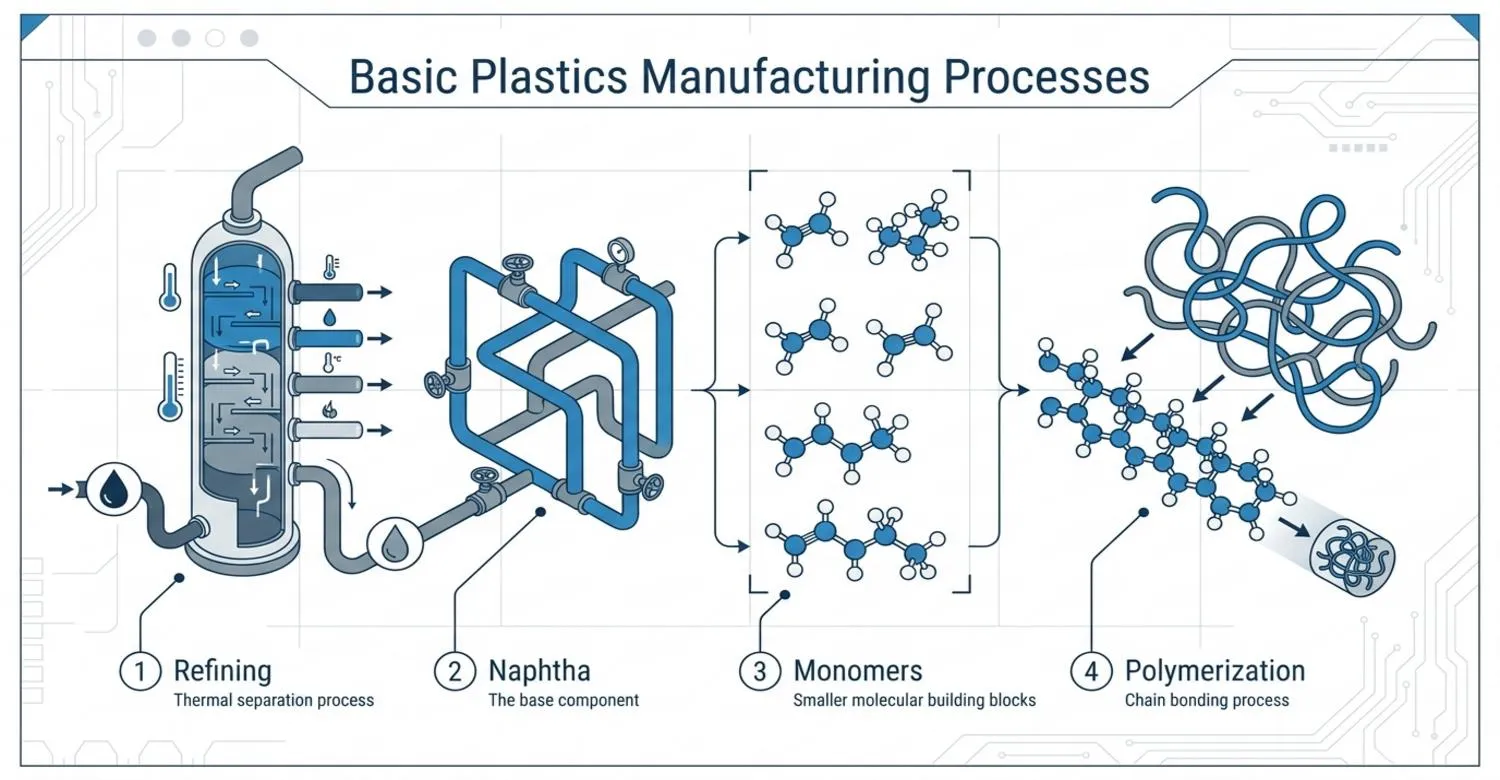
- Refining uses heat and distillation to separate crude oil into different components.
- Naphtha is one of the components recovered during fractionation that forms the base for plastic production.
- Naphtha undergoes further processing to break it into smaller molecules called monomers (e.g., propylene and ethylene).
- The monomer chains are bonded to form polymers, higher molecular weight hydrocarbons. This is done either through addition or condensation polymerization.
- The product from the polymerization is mixed with additives or other compounds to achieve the desired properties.
- The processed polymer is now ready for molding into plastic products or product parts.
Common Additives in Plastic Manufacturing and Their Functions
The additives incorporated while manufacturing plastics can improve shelf life, strength, and flexibility. Here are the common additives used in plastic manufacturing and their functions.
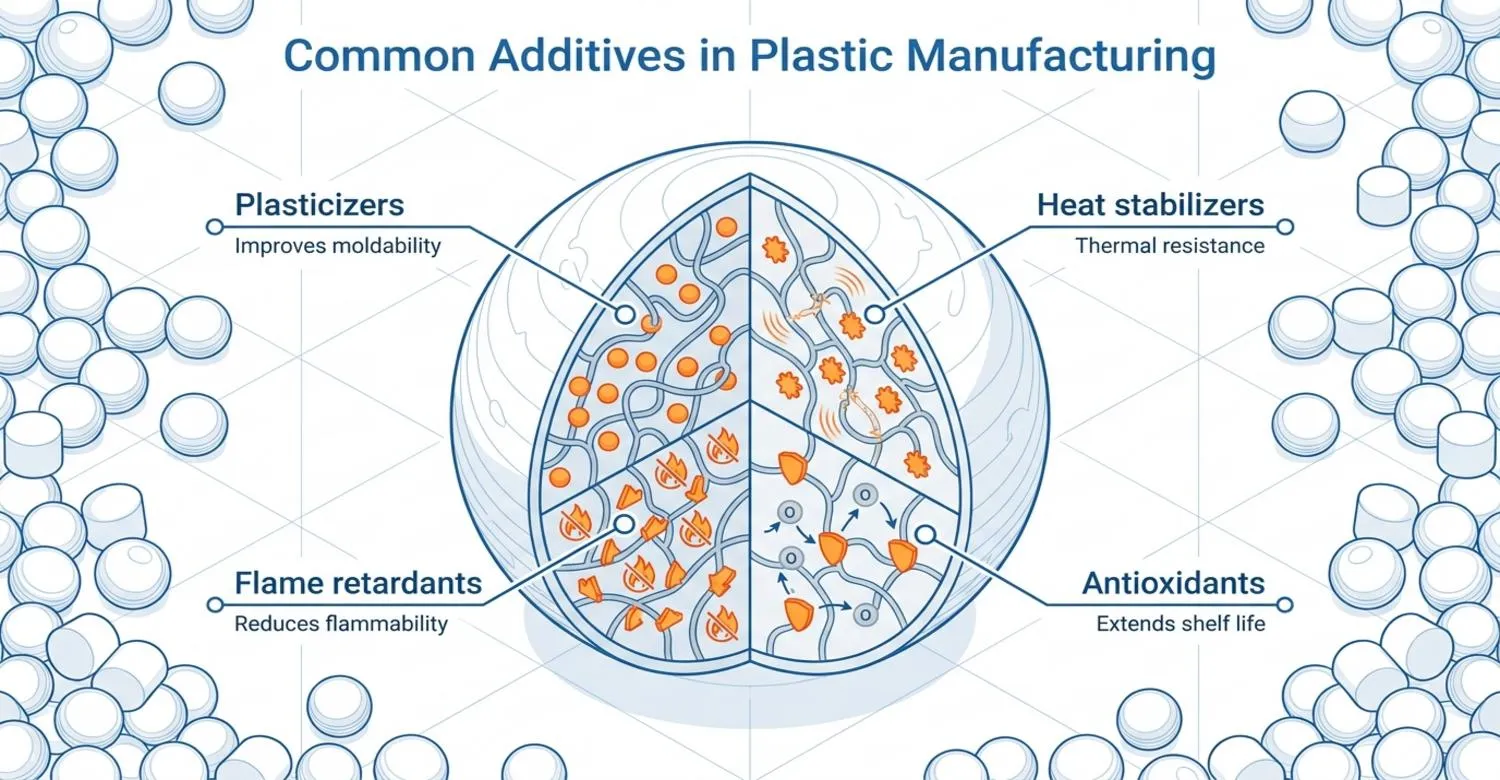
- Plasticizers: Increase softness and flexibility, making it easier to mold the plastic into different shapes, e.g., phthalates.
- Heat stabilizers: Make the plastic resistant to degradation or discoloration at high temperatures, e.g., organotin compounds and metal soaps.
- Flame retardants: Halogen-free flame retardants like phosphorus-based compounds reduce flammability while meeting RoHS compliance.
- Antioxidants: Added to extend plastic’s shelf life by protecting it from degradation from UV light and heat exposure, e.g., Phenolics.
- Lubricants: Improve flow during molding and lower friction, e.g., silicone and mineral oils.
- Color: Makes plastics more appealing, but can also enhance UV protection, e.g., titanium dioxide (TiO2).
- Antistatic Agents: Prevent static electricity buildup, which can cause fire hazards or attract dust. Common examples are quaternary ammonium salts and glycerol esters.
The most common methods used for transforming the processed plastic pellets or blocks into day-to-day products are injection molding (for complex shapes), blow molding (for hollow shapes like plastic bottles), and extrusion (for fibers or films). Manufacturers continue to face various challenges when converting plastics into useful products. Some of these challenges may result from the quality of the plastic or the manufacturing process. Most of those challenges are being overcome with technology.
Three Major Technological Engines That Subvert Traditional Plastic Manufacturing
The traditional methods used in manufacturing plastics are mostly wasteful, in terms of the volume of unused material left behind. In addition to that, they are usually labor-intensive and lengthen cycle times. The long-term impact on the manufacturer includes an increase in energy bills, a rise in labor costs, and sometimes failure to meet demands. These shortfalls expose the manufacturer to the risk of being replaced by a more competent competitor.
Thankfully, a lot has changed in the plastic manufacturing industry in the last few decades. New technologies are emerging that are helping manufacturers to overcome some of the challenges that hitherto plagued the industry. While they present solutions to some of the pressing issues in the industry, they bring with them a new set of challenges. For smaller companies, the roadblocks may be big enough to impede them from adopting these new technologies.
For example, the plastic manufacturing industry is already capital-intensive in tooling and purchasing raw materials. Most of the new technologies are not cheap either, which may keep them out of the reach of companies operating under a tight budget. Even when the company can acquire the technology, it still needs to train its staff on how to use the new technology. In some cases, new technologies mean retooling the entire plant.
Notwithstanding the financial implications of adopting the latest technologies and processes in plastic manufacturing, they pay the costs over time in the form of increased output and faster cycle times. Here are the latest technologies driving improved efficiency in the plastic production industry.
Engine 1: Smart Injection Molding – How AI Pushes Yield Rate to 99.5%
The invention of injection molding in 1872 by John and Isaiah Hyatt marked the beginning of large-scale manufacturing of plastic parts. The machine has undergone several iterations since its development to make it better. The recent integration of AI to create smart injection molding machines transformed the plastic manufacturing industry from reactive human-dependent systems to proactive data-driven systems.
Smart injection molding machines are fitted with sensors that leverage AI to optimize yield by up to 99.5%. Smart injection molding systems optimize production parameters like temperature, pressure, cooling time, and material flow. In other words, AI systems boost overall machine effectiveness and lower production losses by operating at optimal parameters.
Beyond improving yield, smart injection molding machines leverage AI for predictive functions. Sensors fitted in plastic manufacturing machines can detect potential issues before they escalate and grind the production process to a halt. Early detection of potential issues helps machine operators to carry out predictive maintenance, which significantly lowers operation downtime.
On the product size, every manufacturer understands the importance of delivering consistent, high-quality parts or products to their customers. AI-enabled systems analyze real-time sensor data to predict deviations in process parameters that may cause defects, often integrated with machine vision for physical flaw detection.
Smart systems leverage data analysis to predict possible issues with molded parts or products. Backed by this data, manufacturers can proactively make adjustments to their processes to prevent the defect from occurring. By extension, that will also save them from material and energy waste. The table below shows the key areas where AI interventions in injection molding have helped to optimize yield.
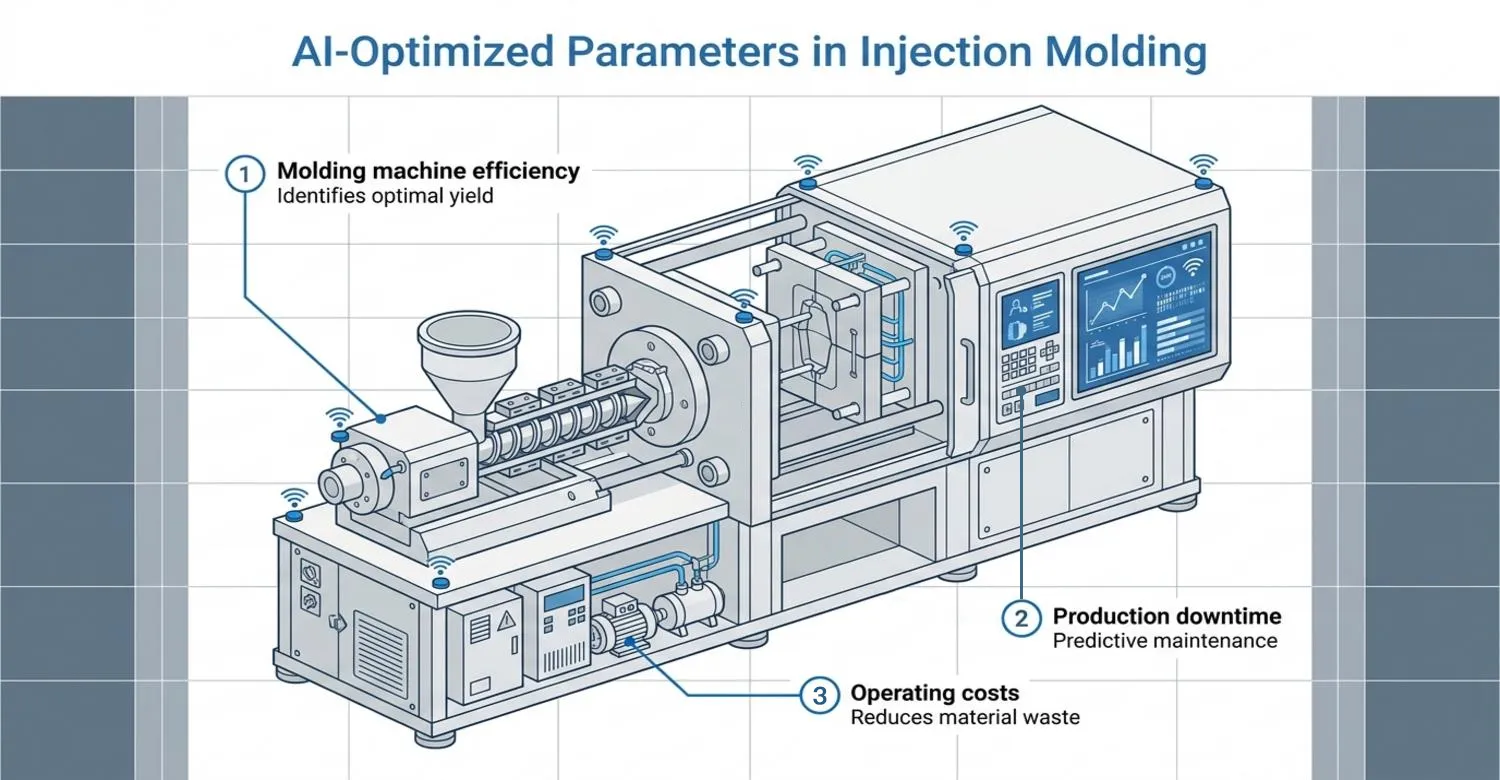
AI-Optimized Parameters in Injection Molding and Their Realization Methods
| Plastic manufacturing parameters optimized by AI | How it is achieved |
|---|---|
| Molding machine efficiency | Sensors provide real-time data that helps to identify the best temperature, pressure, cooling time, and flow for optimal yield. |
| Production downtime | Identifies potential machine issues so that operators can deal with them before a total breakdown. |
| Product quality | Detects minor issues in products that may affect their performance or lifespan, leading to a more consistent quality output. |
| Operating costs | Through production parameters optimization, AI systems reduce energy costs, maintenance costs, and material waste. |
| Production automation | Plastic manufacturing industries can optimize injection molding systems with the help of AI, which can significantly cut down labor costs. |
The beauty of AI-powered systems is that they become better over time as they generate more data for their training. Therefore, the initial benefits will only become better over time, leading to more sustainable plastic manufacturing practices and a lower footprint on the environment.
Engine 2: Sustainable Materials
One of the biggest challenges in the manufacturing of plastic revolves around the material. The hydrocarbon source of plastics is not renewable. The formation of hydrocarbons takes millions of years due to the action of geological pressures on organic matter. With the increasing demand for hydrocarbons for fuel, there is the risk that the world may run out of reserves. This has necessitated the sourcing of plastics from more sustainable materials, like plant-based products.
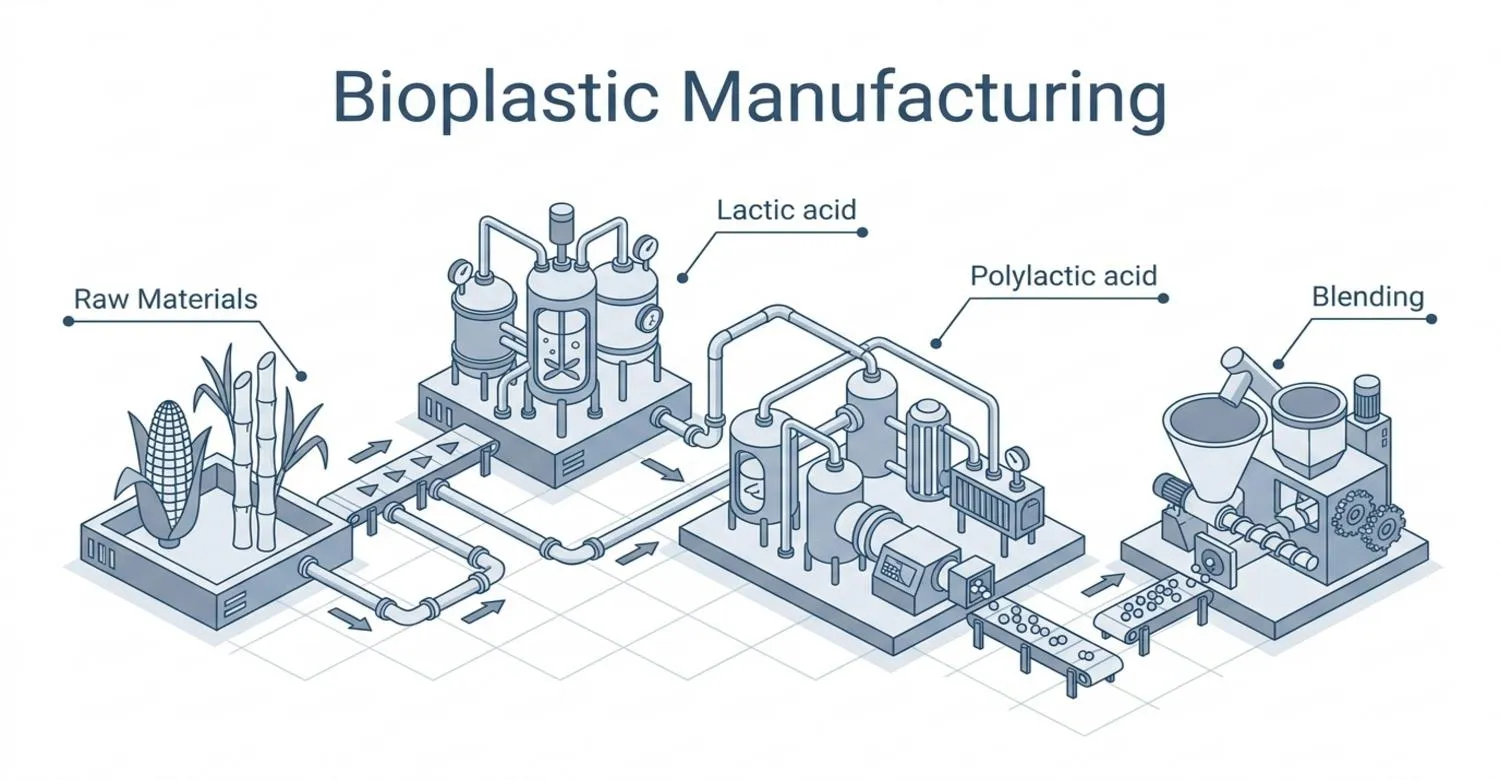
Bioplastic Manufacturing: Raw Materials and Processes
For bioplastic manufacturing, the raw materials include corn starch, cassava, sugarcane, seaweed, or vegetable oils. What these foods have in common is abundant sugar and starch, which are processed to get the monomers that will form the building blocks for the plastic. For example, manufacturers first convert cornstarch to lactic acid, which they then polymerize to form polylactic acid (PLA) or polyhydroxyalkanoates (PHA).
The polymerization process is arguably the most critical step in bioplastic manufacturing because it determines the properties of the plastic. If the final product is intended to be biodegradable, the polymerization will be handled with that in mind. The properties of the resulting bioplastic are further refined through a process called blending. This involves the mixing of additives with the bio-based polymer.
Emphasis is also shifting to post-consumer resins (PCRs) and plastic regrind as more sustainable material sources for plastic manufacturing. This transition will also help to lower the pressure of obtaining plastics from natural sources, as well as lower the plastic burden on the environment.
PCRs are used in consumer products like consumer packaging materials and bottles, while regrinds are waste or scraps from plastic manufacturing cycles, which are collected and ground into pellets for reuse. PCRs must be sorted and categorized to avoid introducing contaminants to new products. Contaminants may affect the performance, efficiency, or lifespan of the finished product.
Engine 3: Hybrid Manufacturing – 3D Printing
To date, 3D printing is the most advanced technology in manufacturing plastics yet. This new technology allows manufacturers to create complex parts or products straight from design software. This technology is particularly efficient for prototyping or for situations where designs are constantly evolving.
There are currently different types of 3D printing technologies. However, the most common is the fused filament fabrication (FFF), which is preferred for its higher precision and lower costs. It uses thermoplastic filaments like acrylonitrile butadiene styrene (ABS), famous for its heat resistance, durability, and strength.
The material is heated and extruded through the head of the 3D printer. The process of printing is by stacking the extruded material layer by layer to form the product designed in the attached computer software. The steps involved in manufacturing plastics through 3D printing are as follows:
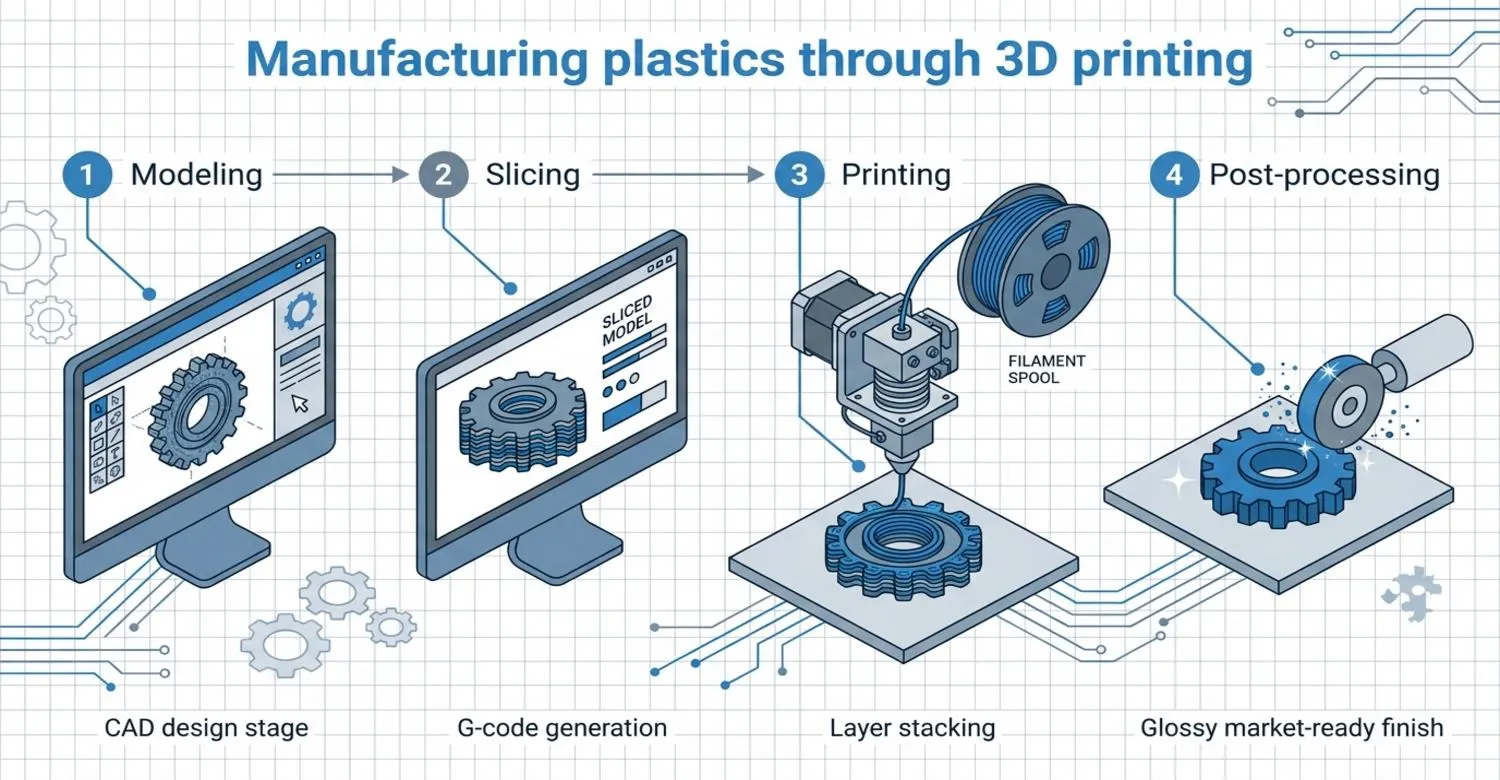
Modeling
The first step in manufacturing plastic products through 3D printing is creating a model of the product or part using 3D modeling software, like CAD. Alternatively, you may find desired models in dedicated online libraries and download them.
Slicing
Dedicated slicing software like ideaMaker is used to slice the model. This process creates a G-code (a list of instructions) that instructs the printer on the best path of motion to build the model. Always ensure your software is compatible with your printer.
Printing
The slice file is uploaded to the printer. This is followed by calibration of the printer to improve accuracy. Some printers will have transparent panels or an app through which you can monitor your printing progress.
Post-processing
Once the printing is completed, take out the product or part from the printer. If the model has a support, remove it. Other post-processing requirements may include polishing, sanding, assembly, or coloring to give the product a glossy finish and prepare it for the market.
How Technologies Solve Real Pain Points
Technological interventions in plastic manufacturing go beyond material and process optimization to finishing and branding. For example, after manufacturing plastic parts, manufacturers may face challenges during the assembly, especially when parts need to adhere together. Traditional methods often leave scars where the parts were joined, which can lower the product’s appeal.
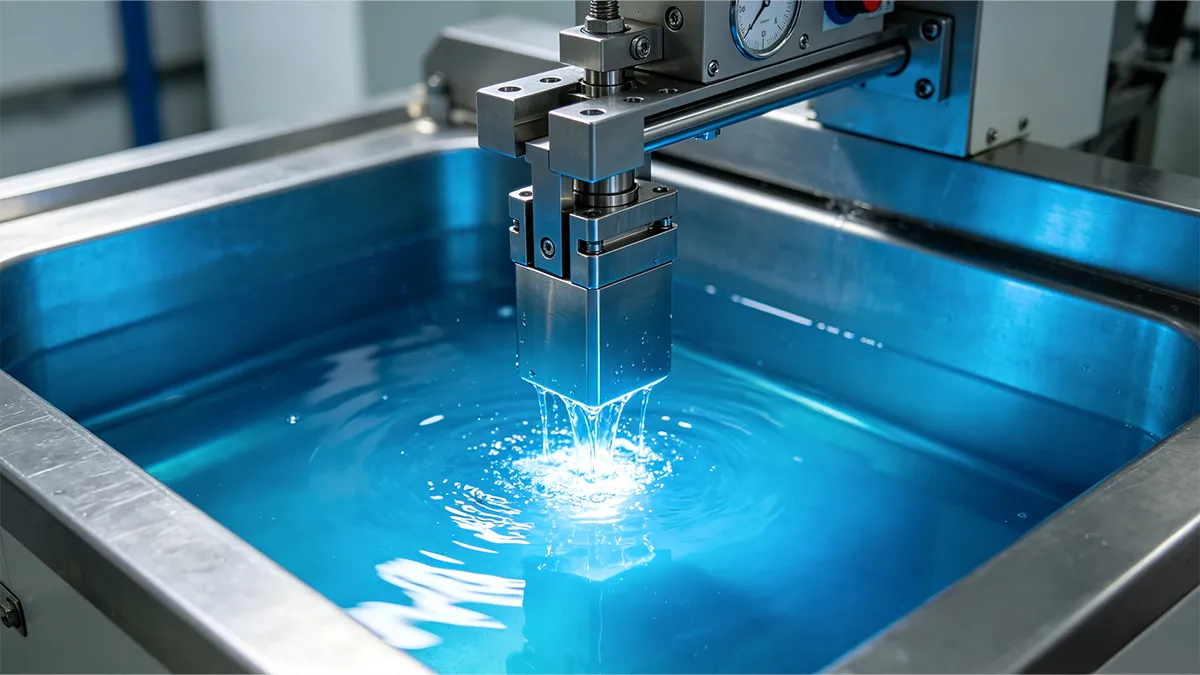
When engineers use optimized energy directors, ultrasonic frequencies can generate localized heat at joint interfaces to bond materials efficiently with minimal visible marks.
Laser engraving tools have also changed how branding is done on plastic products. Previously, manufacturers created labels on stickers which is glued to the body of the plastic. Alternatively, they painted their logo directly on the products. However, these stickers or paints easily peel off, which defeats the manufacturer’s visibility goal. Also, counterfeiters sometimes purposely remove the labels and replace them with their own.
With laser engraving tools, the manufacturer precisely engraves its logo or label on the body of the product, guaranteeing that it will remain there throughout the product’s lifespan. Plastic manufacturing technologies will continue to evolve, and manufacturers who adopt them will outshine the rest in production efficiency and consumer satisfaction.





 EN
EN  ES
ES  FR
FR  DE
DE  IT
IT  PT
PT  NL
NL  PL
PL  AR
AR  JA
JA  KO
KO  ZH
ZH