


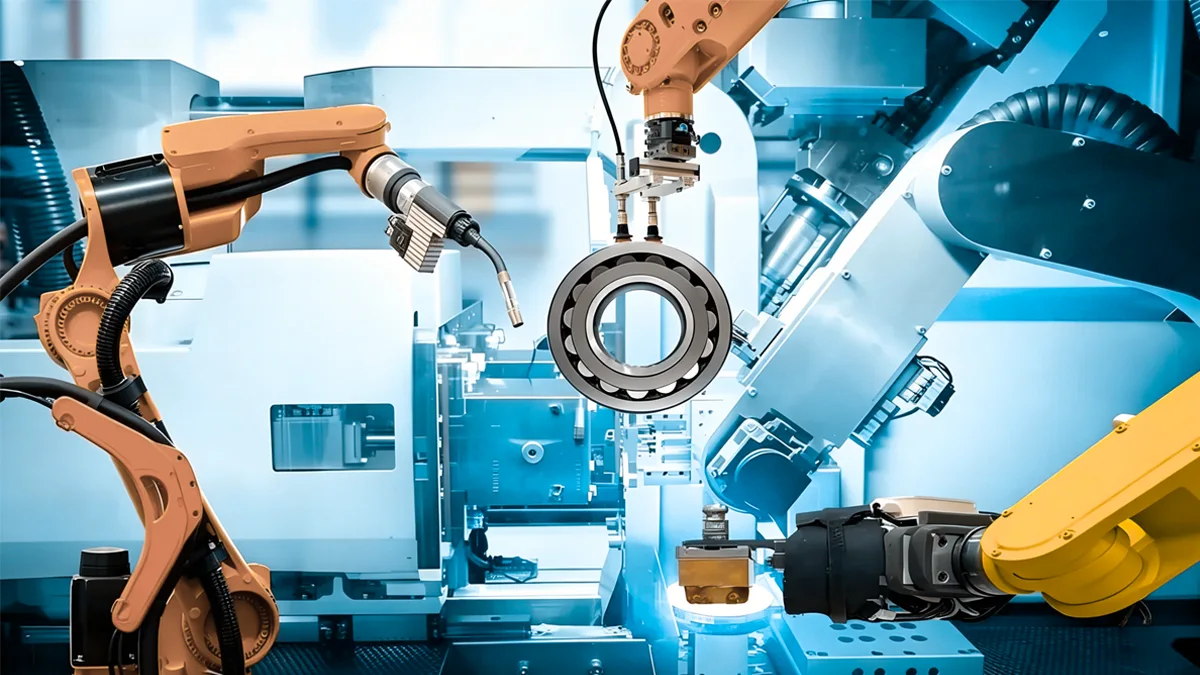
Modern manufacturing, which is comprised of additive manufacturing and subtractive manufacturing, is a unique and versatile process. Different processes perform different functions. 3D printing has been a common process in modern decision-making approaches. The methods for benefits and considerations impact the decisions based on cost-effectiveness and speed. The design flexibility, precision, selection of materials, and application are part of the advantages of 3D printing. The overall impact is seen in the service lives, the decision-making process, and the production cycle. Today, we will break down 3D printing vs injection molding in detail.
3D Printing (Additive Manufacturing)
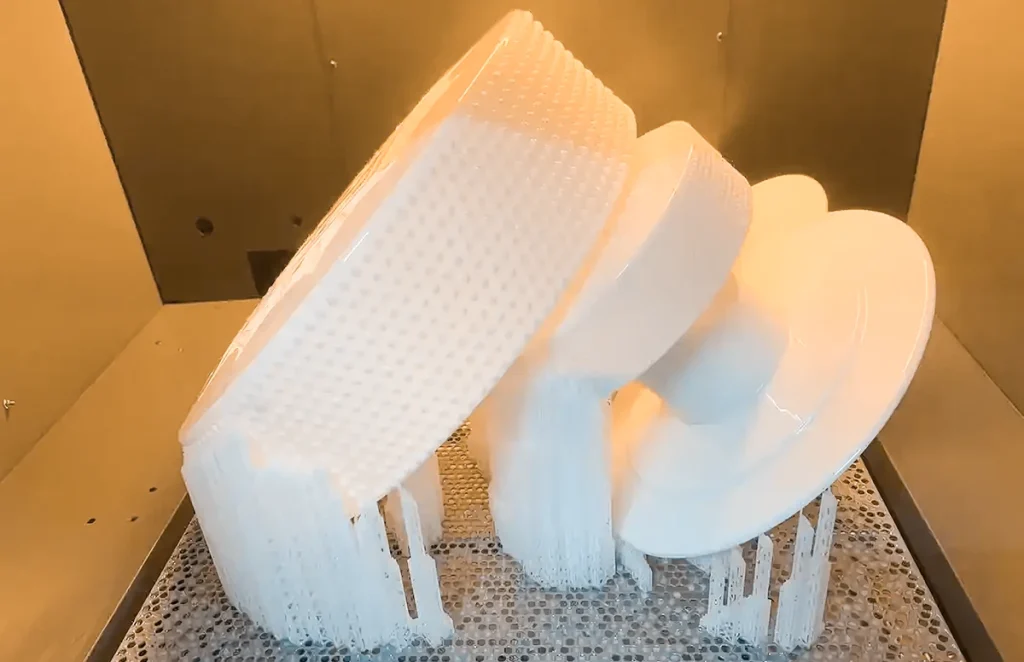
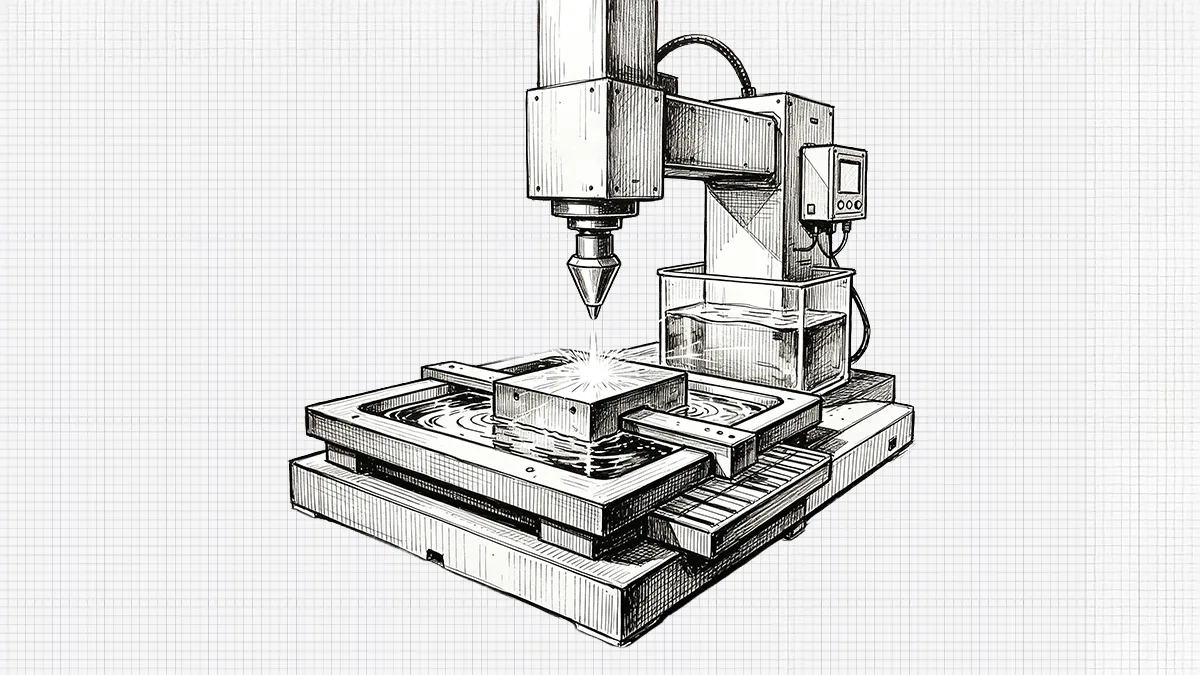
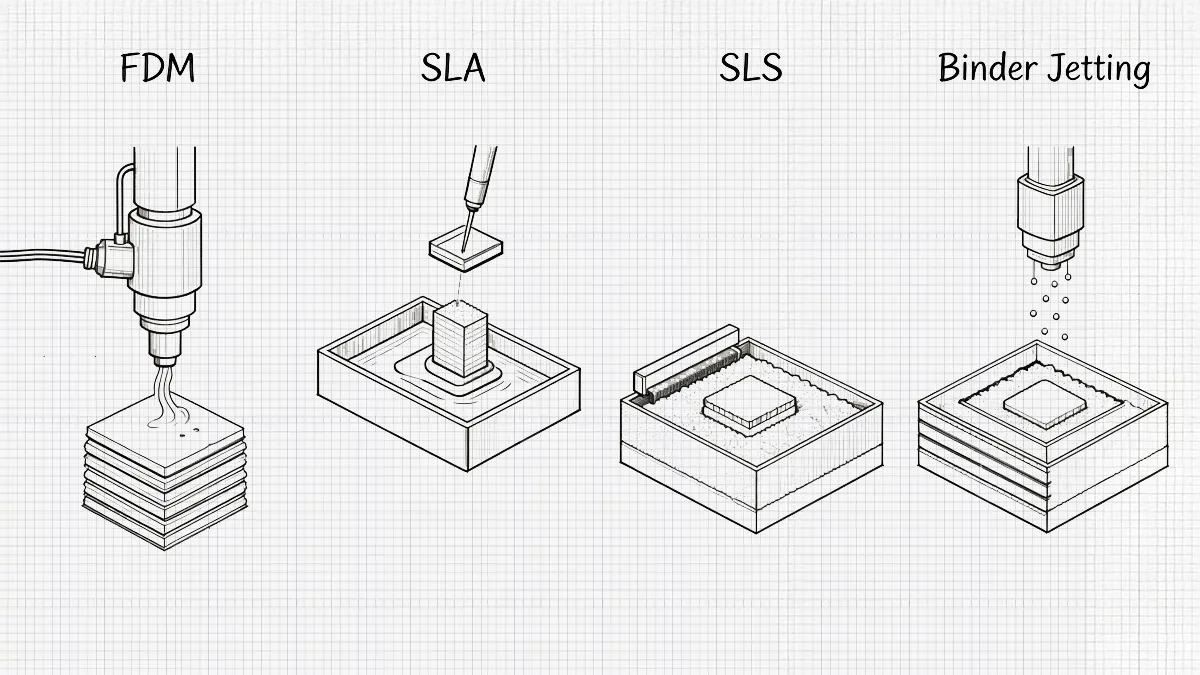
The 3D printing is sometimes known as additive manufacturing. It is a revolutionary process in current manufacturing. The physical objects follow specific designs, having physical traits layer by layer from the digital files directly.
Compared to the traditional subtractive approaches, 3D creates layers of materials. t does not entail cutting away materials from larger blocks. The final product is a three-dimensional shape.
The tech is essential for rapid prototyping. It is also important for customization in the absence of traditional technical tooling setups. It makes it important for interactive processes and the low volume attached to the production.
Each of the layers has a good deposit in line with the digital blueprint, providing an unparalleled level of flexibility in geometry and complexity. The process is based on healthcare, automotive, aerospace, and consumer goods.
More importantly, rapid development and the specific part of geometries are key to innovation. Material advancement and printing approaches are also part of the expansion capabilities. The objective is to enable advancement in materials and printing techniques to increase its capabilities. The objective is to allow functional end-use parts and properties specific to application needs.
Injection Molding
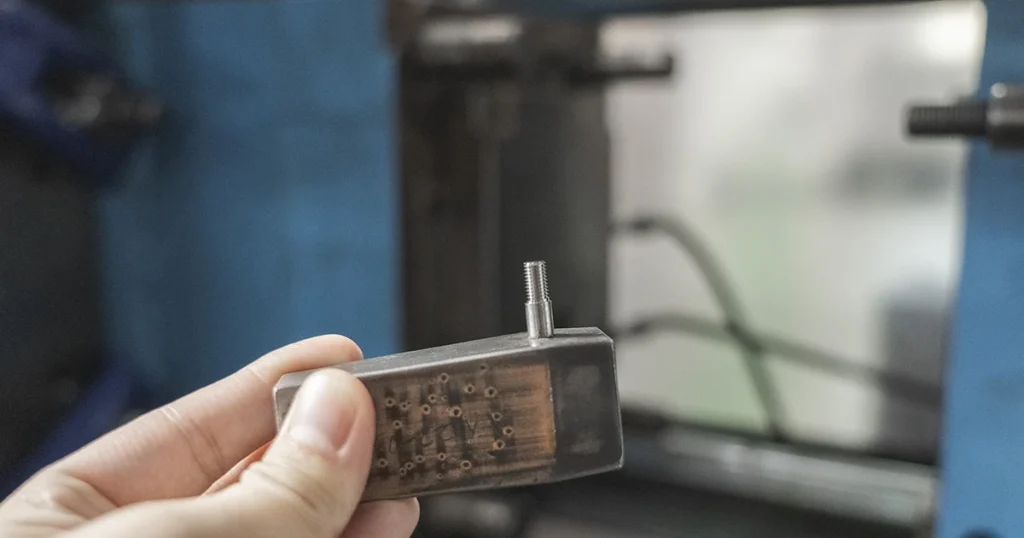
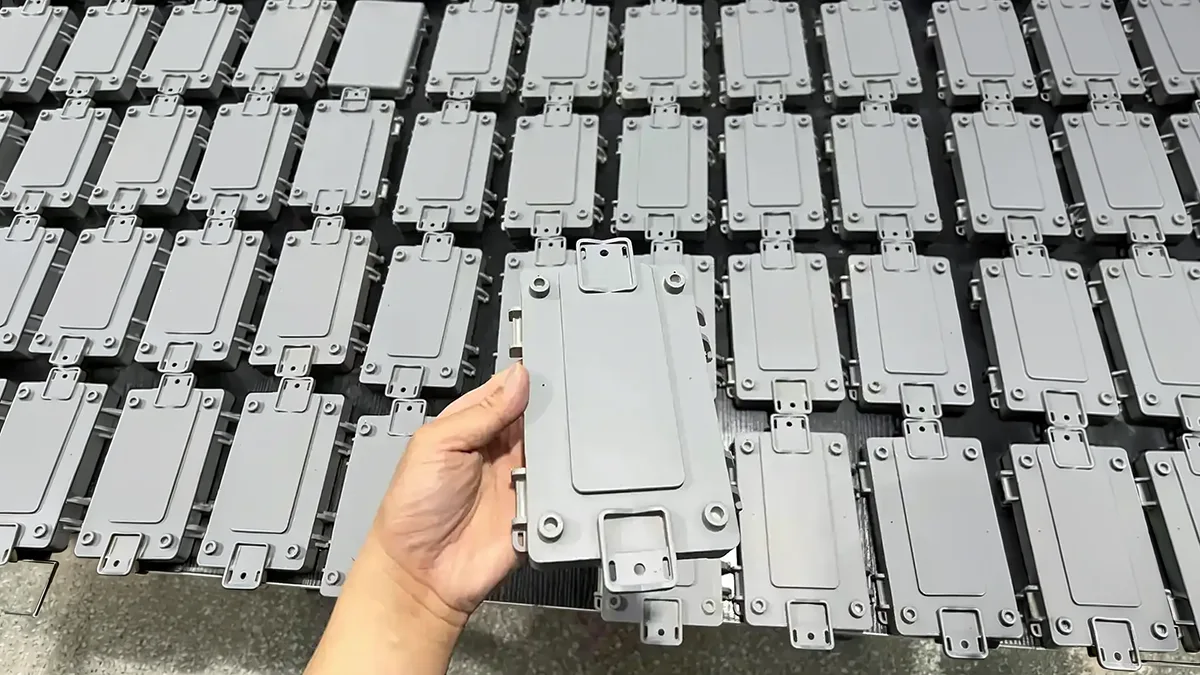
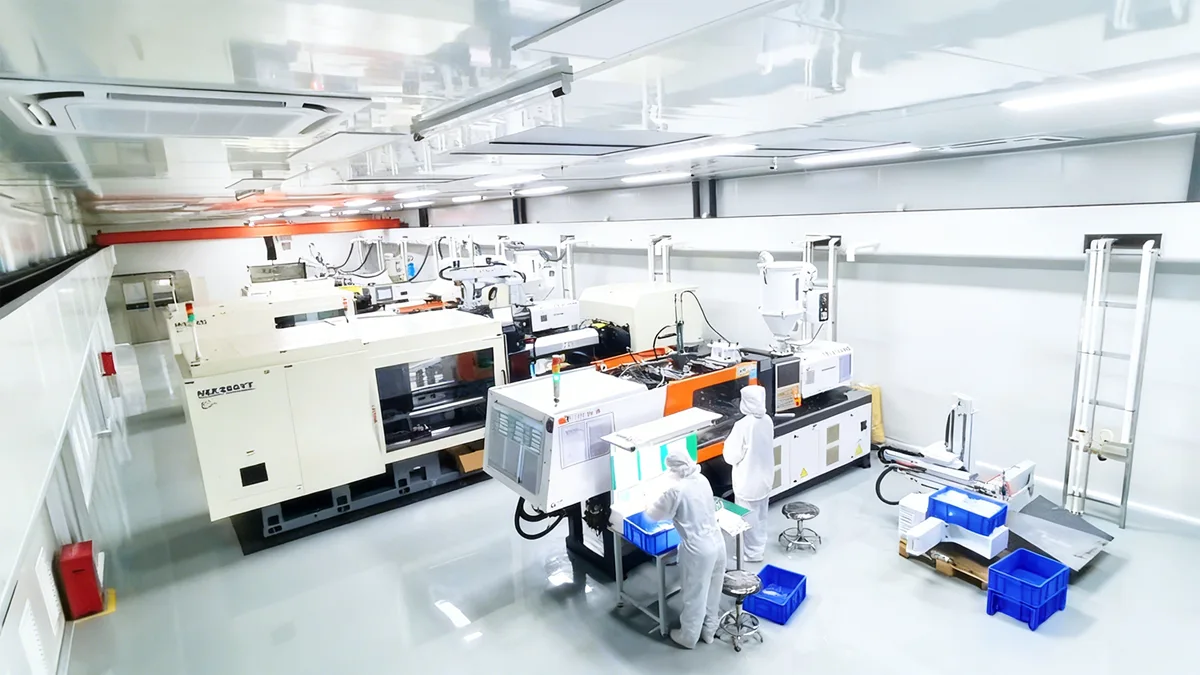
The process of injection molding is a pillar of manufacturing and mass production. Mass production is for large volumes of similar parts with repeated features and precision. The process entails the injection of molten materials comprising the thermosets and elastomers. The objective is to enhance customized designs that are subjected to and under level pressure.
The old undergoes crafting to the exact specifications of the parts desired. It entails complex processes, functional features, and surface textures after crafting. The materials were solidified in the mold, and the part was ejected pre-design. The part is then ready for application in the desired and try. Despite the first phase demanding more time and investment, the process is important for large-scale production.
The advantages of cost-effectiveness and efficiency, as well as the disadvantages of heavy investment and time, do not disqualify its use. Some of the industries that use the process include electronics, medical devices, automotive, and consumer goods. All industries rely on the process to produce parts with precision.
Other advantages lie in the quality of the product, the consistency of the quality, and the superiority of properties. The approach is instrumental in ensuring that each molded part adheres to set stan ards. A part of the standards is the regulations that govern its use. The objective is to increase the durability, function ability, and aesthetical a peal. The overall product is, therefore, indispensable since reliability and performance levels are high.
Speed of Production Comparison Table
The speed of production determines the quantity of the final products. It depends on the demand for the process products. The speed of 3D printing and injection molding varies greatly, extending from one manufacturing industry to another.
| Criteria | 3D printing | Injection Molding |
|---|---|---|
| Process overview | The process relies on building layers of parts directly from existing digital design files. | It uses molds as the primary process in the creation of similar products with high volume and efficiency. |
| Lead Time | It embraces minimal set demands, which is important for low volumes and rapid prototyping in production. | The process is time-intensive and requires fabrication. However, it is suitable for production sectors that require high volume. |
| Use | The process is applicable to interactive design processes and is key to complex geometries and customization. | It is preferred for industries that experience mass production and require high consistency, quality, and tight tolerances. |
Cost Comparison Of 3D Printing vs Injection Molding
Cost is a primary element of the manufacturing process. The type of process for manufacturing aims to ensure there are limited costs.
| Particulars | 3D printing | Injection Molding |
|---|---|---|
| Costs associated with the setup | The setup has minimal costs due to low coproduction and rapid popping. | There has been a lot of investment in the sector, although most have additional costs. It is effective, and they are a high-volume production. |
| The Unit cost comparison | Unit costs are high when additional products are involved. The volume increases with long periods of print time. | The low per-unit costs are important for large production runs. It is efficient for high material usage and repeatability. |
| Cost of the material | The costs of materials are high. The reasons are the ever-evolving demand in the technology sector. | The process has low per-unit material costs. In the long run, material usage and procurement are necessary for mass production. |
Tips: You may also want a detailed understanding of the cost structure of 3D printing – click the link to learn more.
Design Flexibility of the Material and Product Comparison
Flexibility determines adaptability. The choices of manufacturers tend to focus on flexible processes. The flexibility trait has to be significant in adaptability and application.
| Criteria | 3D printing | Injection Molding |
|---|---|---|
| Adaptability | The process offers unmatched design and freedom. It provides design freedom and has technical designs. | It enhances technical parts designs. The surface fin shes. It is applicable for high levels of production. |
| Applications | Effective for entities that demand rapid prototyping, innovation, and customization | Effective for use in areas that need precise dimensions, smooth surfaces, and uniformity |
Comparison of the Materials
The materials used for manufacturing determine the type of process to use. Material selection focuses on durability and ability to meet the specifications and standards set in the market.
| Criteria | 3D printing | Injection molding |
|---|---|---|
| The range of materials | The different materials include metals, Thermoplastics, ceramics, and composites. | The process comprises elastomers, thermosets, and thermoplastics. The choice of material focuses on the precise expectations. |
| Use | The initiative is applicable in different settings, such as healthcare, aerospace, and automotive, especially for specialized properties. | It is applicable in diverse areas, including electronics and medical sectors. It is key for enhancing durability and high performance. |
Precision and Surface Finish Comparison of 3D Printing vs Injection Molding
Precision is a direct determinant of the specification and requirements. The regulations and standard measures stress the precisions for products and processes. The surface finish determines the shape of the final product and process. It also determines the role the final product will offer.
| Particular | 3D printing | Injection molding |
|---|---|---|
| Surface finish | Demands post-processing for effective surfaces, precision, and accuracy rely on parameters for printing. | The high level of precision and effective surface finishing emanates from the mold. The minor post process is important. |
| Use | It is applied in automotive, healthcare, aerospace, and consumer goods. Its role is prototyping and customization. | The process is applicable in electronics, medical devices, and consumer goods for mass production. |
| Advantages | The advantage lies in reducing lead times and product development. Geometries also benefit. | There are advantages to the high production volume, consistent quality, and cost-effectiveness of a post-mold setup. |
Production Cycle Comparison
| Criteria | 3D printing | Injection molding |
|---|---|---|
| Time of the cycle | Massive product design to part. Lacks traditional tooling required. | There is mold time that demands setup phases. The efficient process for large-scale production and post-mold completion. |
Service Life Comparison
The service life of a process and product is an important consideration. 3D printing and injection molding have different service lives.
| Particulars | 3D printing | Injection molding |
|---|---|---|
| Longevity | The process is based on advanced materials. Its importance varies with the needs of the application. | It is key for robust parts with unique reliability prospects and durability. This approach is for environments that require mass production. |
| Usability | The increasing use of the application demands specific properties and standards of durability. | It is mainly applied in aerospace and the medical sector, which relies on its longevity and performance. |
Decision On the Process For Adopting
knowledge and Assessment of Factors
The choice of 3D printing and injection relies on different factors. It entails knowledge and assessment of factors that affect the specific project expectations. The volume of the production is a primary determinant as the 3D is best for low-rate production. It is also suitable in areas that demand rapid protot ping. The objective of such manufacturing is a low-cost rate for to ling. On the other hand, injection molding is suitable for high-volume production. Once the setup is in place, there are moderate costs for molds, amortized over large nits. The injection molding scalability, on the other hand, offers efficient production of mass parts.
Complexity
The complexity of 3D printing provides unmatched flexibility in design. It is key for enhancing complex geometries, customized designs, and technical internal structures. The ability is less important for sectors that need innovative products and guns. Also, industries that require rapid interaction cycles and customization less benefit from the process.
On the other hand, injection molding is effective for industries that require effective mold design and fabrication. It is appropriate for the production of parts that need precise dimensions, technical features, and smooth surfaces in mass production. It is well-suited for applications that require high part uniformity. Another trait is the high accuracy in dimensions, which is common in the medical and automotive sectors.
Material Selection
3D printing enhances diverse materials, such as metals, ceramics, plastics, and components. Material choices, such as thermal and chemical properties and specific mechanical traits, are important for specific processes. The versatility enables manufacturers to materials. The injection molding provides diverse materials op ions. Some of the common applicable materials are thermosets, thermoplastics, and elast mers. The materials are strong, stable, and flexible. The material efficiency and tendency to attain consistent material properties in different production ba hes. The overall impact is that injection molding is beneficial in industries demanding reliable and robust processes. Key sectors include the consumer goods and industrial equipment industry entities.
Lead Time and Speed
The process varies between injection molding and 3D printing. The 3D has no lengthy tooling process. It is more suitable for rapid prototyping and increasing product development cles. The process can allow the incorporation of changes in the design cycle. Another incorporation is cost-effectiveness, which leads to interactive improvements. Also, the quick implementation advantage aids in reducing the time to market for emerging products. Their injection molding, on the other hand, has long lead times. Once the mold fabrications are ready, the cycle of production runs smoothly, enabling fast and efficient manufacturing volumes.
Budget Constraint
The choice for manufacturers between 3D printing and injection molding is based on the setup costs. The 3D printing benefits are limited to specific parts. Another consideration for manufacturers is the cost-effectiveness of low production. Nevertheless, the volumes of production increase, impacting the unit costs due to the long print time and cost of mate als. Injection molding is different since there are high initial investments for mold to linger. The process provides low per-unit costs for mass production. The impact is present in cost efficiency in the extended periods of production. Such an advantage places injection molding as important for sectors that demand high-volume processes. The process has to be manageable and predictable in terms of production costs.
Therefore, a detailed assessment of the volume of production, material properties, and part complexity is important in selecting the process to use. Manufacturers choose between 3D printing and injection molding. The combinations regarding the project goals, the operational needs, and the manufacturers determine the decision of the process to use.
Tips: You may also be interested in the differences between injection molding and extrusion molding.
Conclusion
3D printing and injection molding are important in the modern manufacture of rings. Each unit offers strengths that recognize the different needs of the industry. 3D printing is effective in the customization, prototyping, and production of complex geometries. The injection molding is practical for the production of diverse parts with effective mechanical properties, uniformity at scale, and durability. Knowledge of the comparative advantage increases the tendency of manufacturers to make decisions. The project-specific requirements determine the type of material to use, hence the type of process to use.




 EN
EN  ES
ES  FR
FR  DE
DE  IT
IT  PT
PT  NL
NL  PL
PL  AR
AR  JA
JA  KO
KO  ZH
ZH