


Waterproof enclosures are a key component in protecting electronic devices and mechanical systems that are sensitive to harsh environments, moisture, and dust. The role of the waterproof system is to ensure that the different types of marine electronics, underwater sensors, outdoor camera systems, or automotive components operate long-term.
The needs of industries like telecommunications, the automotive industry, and the electronics industry are constantly changing. And there’s a bigger and bigger need for high-quality waterproof enclosures. Whether these enclosures can work well depends on having a good design. That means using the right materials, like ABS and so on, and also carrying out all the necessary processes. The aim is to make them more durable in the long run.
The impacts of durability influence the costs companies need to incur and the constant adjustments due to disruptions. Regardless of the role the devices play, enclosure protects them from different types of hazards and risks.
What Are Waterproof Enclosures?
A waterproof enclosure is a specially designed protective housing that prevents moisture and water from damaging the device. This protective housing helps adversely affect a protection system or gadget even when exposed to high pressure or submerged.
There are different shapes and sizes of waterproof enclosures depending on the company and function they play. The sensitive nature of electronic applications, drones, underwater tools, medical equipment, and surveillance cameras requires the adoption of waterproof enclosures.
The enclosures enable such systems to function without environmental interference, environmental pollutants, waters, and extreme conditions that can paralyze their functions.
Role of Waterproof Enclosures in Modern Technology
Modern technology is mostly made up of electric devices. Sometimes, these devices are put in really harsh conditions. And just being in those tough conditions for a short while can make them stop working properly.
The job of the enclosure is to protect these gadgets from things like water, dust, and other pollutants in the environment. Whether these devices work well or not depends a lot on how durable and intact they are. Of the materials that protect them. Mostly materials that are in areas with rugged environments.
The design of gadgets such as navigation systems, drones, underwater tools, medical equipment, and surveillance cameras must incorporate continuous operations during extreme conditions while maintaining optimal performance. Manufacturers can design and manufacture products for outdoor, aerospace, marine, and industrial environments through waterproof enclosures.
The increasing demand for such applications has also increased the demand for specialized enclosures specific to sensitive electronics.
Factors Considered for Designing Waterproof Enclosures
Different factors determine the design of effective waterproof enclosures. More critical is knowledge of the role of the device and environment, the possible technical requirements, and the materials affected in protecting the device. The main factors consideration are:
1. Ingress Protection IP Rating System
The Ingress Protection (IP) rating is a globally recognized standard used to assess an enclosure’s resistance to both water and dust ingress. The Ingress Protection IP rating is under the IEC 60529 and categorizes enclosures based on their ability to be water-resistant, especially water and solid, especially dirt and dust. A rating of IP67 implies that enclosure from dust and withstanding immersion in water up to 1 meter for 30 minutes. The first digit of the system is the long-term protection solution, and the other value represents liquid protection, hence the level of sealing standard.
The type of IP rating for different enclosures depends on the kind of environment and weather the enclosure operates. The IP68, for instance, is practical for applications and gadgets in the waters for a given time frame. IP65 is less effective for areas with constant water sprays.
2. Material Selection for Waterproof Enclosures
The appropriate material for the protective casing is necessary for the effective performance of the devices in different environments. A suitable material type affects the nature of water-resistance ability, cost, weight, durability, and strength. Other designs are essential in the waterproof enclosures.
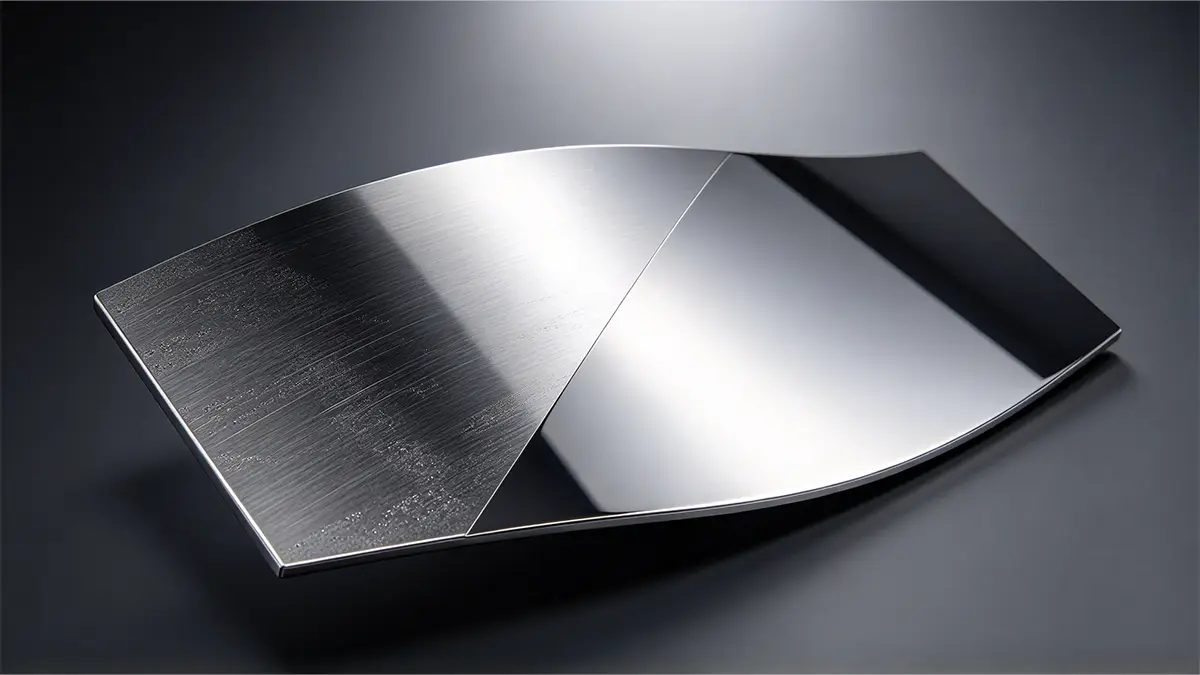
Stainless Steel: The durability of corrosive products needs stainless steel as the best choice. The steel gadgets are applied in highly corrosive environments, especially in the chemical and marine industries. The stainless steel protects devices from corrosion and resists rust, making it ideal for submerged devices. The products with stainless steel coats last longer and are also effective in enhancing less impact on products.
Aluminum: Aluminum is an enclosure material that demands better heat dissipation and strength. It is lightweight and corrosion-resistant, allowing it to exist in harsh environments for a long time. Enclosures designed with aluminum apply to weather stations, outdoor sensors, and automotive components.
Plastic (ABS, Polycarbonate, PVC): Plastic is a common material, comprising more than 80 percent of the waterproof enclosure. The choice of plastic is due to its low cost, corrosion resistance, and ease of molding. Key materials such as ABS (Acrylonitrile Butadiene Styrene) are ideal for impact resistance as Polycarbonate offers a practical strengthening ability and optical clarity. PVC is applicable where chemical resistance and flexibility are key for gadget operations in the chosen environment and industry application.
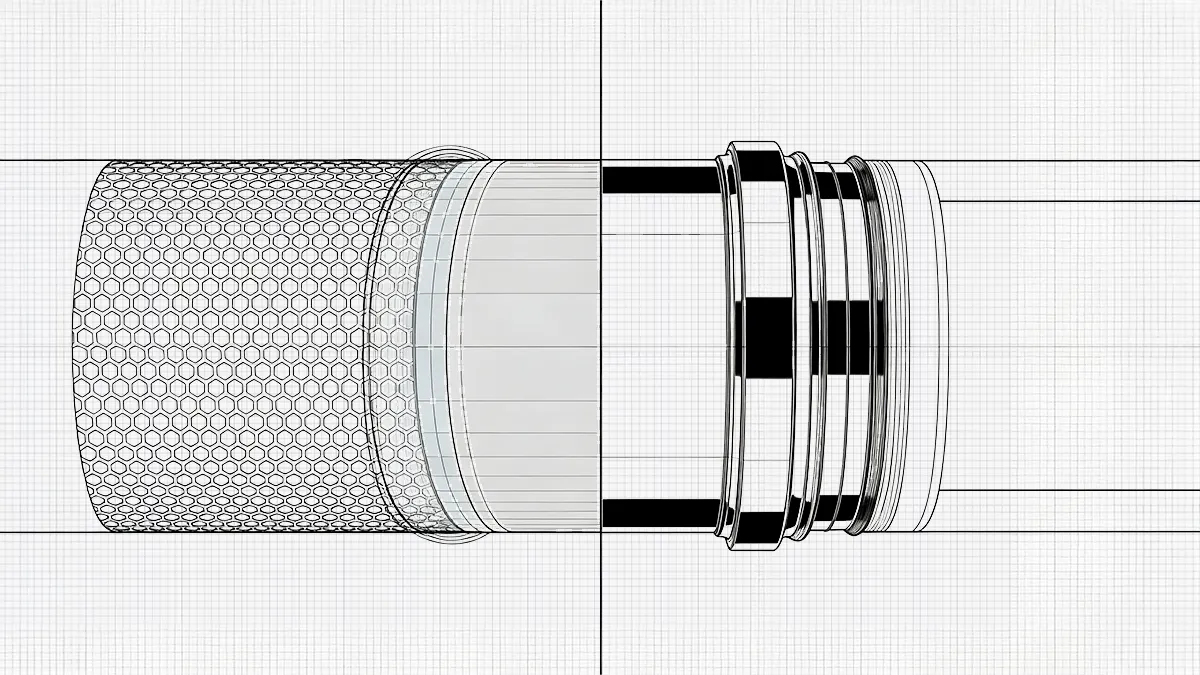
Rubber Seals and Gasket: Gaskets and O-rings are essential when there is a need for a watertight seal from one enclosure to another, especially on openings for connectors, vents, and cables. A common gasket material is Silicone since it can withstand different temperatures, making it a durable enclosure.
3. Sealing Mechanisms for Waterproof Enclosures
Sealing is an essential element of waterproof enclosure design. The sealing mechanism determines the robust nature of the materials of the water enclosure. Numerous sealing techniques exist for enclosures, hence the materials used in their construction.
O-Rings: O-Rings are rubber elastic rings inserted between two surfaces, preventing liquid from passing through the two materials. The O-rings can also be Silicone-made and are common around lids and panels, placing a tighter seal.
Silicone Gaskets: The silicone gaskets provide extra protection for parts of the enclosure due to their flexibility and ability to overcome damage from extreme temperatures. It is crucial for industrial applications and outdoor systems.
The Compression Seals: Seals create a tight and compressive barrier for two together surfaces. The tightening prevents water from entering the systems, making it effective for underwater systems sensitive to moisture and dust.
Heat sealing: Heat sealing offers complete waterproof sealing for systems requiring joining edges on enclosures that do not require external gaskets. The heal sealing is a permanent seal that is imperative for applications that do not need removable seals.
4. Ventilation and Pressure Equalization
It is often difficult for waterproof enclosures to embrace waterproofing qualities while ensuring ventilation. When there is poor condensation control where temperatures and pressure keep fluctuating, there are possibilities for the gadget to undergo condensation and allow moisture to form in the system, resulting in damage to the internal elements.
Pressure-equalizing vents and Breather valves are the solution to the challenge of waterproof enclosure and the need for ventilation. The properties of the pressure-equalizing are that they enable air circulation without interfering with water enclosure properties. The vents aid in eliminating internal pressure from the high temperature and humidity, and breather valves facilitate air exchange in the enclosure, enhancing the protective hindrance.
The silica gel packet applies to gadget enclosures that absorb moisture and manage the system.
5. Waterproof enclosure testing and Quality Assurance
The integrity of waterproof enclosures is a priority when adhering to the set-up standards of water resistance. Tests depend on the type of application and IP rating designed for a given system. Some common tests include:
Spray Testing: Spray Testing assesses whether an enclosure can withstand the impact of water spray and rainwater.
Water Immersion Testing: The test assesses whether an enclosure withstands water leaks inside the enclosure when underwater.
Pressure Testing: The tests assess whether an enclosure can withstand extreme pressure levels when a device is in deep waters and high altitudes.
Dust Resistance Testing: The testing evaluates whether an enclosure can protect the system against dust, dirt, and other solid materials—the resistance of the enclosure against the ingress of solid particles.
6. Customization and Application-Specific Designs
Different applications have unique requirements depending on the enclosures, with designs and customizations that adhere to their needs.
For instance, the automotive industry enclosures must be waterproof simultaneously and resistant to high temperatures and vibrations.
Marine enclosures have to be corrosion-resistant and UV-protected.
The aerospace enclosures require extra and more standards, enabling them to operate in high-altitude pressure environments.
The success of the process requires manufacturers to occasionally require specialized waterproof solutions where manufacturers work with the customers in the design process, responding to different challenges such as sizes, shapes, insulation, and mounting shapes.
Challenges in Designing Waterproof Enclosures
The waterproof enclosure design process faces numerous and complex challenges, given the sensitive nature of the components that require protection. Attaining the right balance between the necessary level of protection and performance has been a complex issue for most manufacturers. Some of the challenges include:
1. Selection of the right materials
There is a challenge in choosing the right materials since most of the available materials are water resistant but allow moisture infiltrations due to the microscopic gaps and porosity. Additionally, some are water-resistant and hinder air circulation into the system. Some plastics have time under UV exposure, and some metals underwater exposure worsens when they are in the water.
2. Sealing Mechanisms
It can be quite hard to get a perfect seal. This is especially true when we think about how environmental factors like changes in temperature and variations in pressure can affect it. When we put things together or take them apart, the seals can get worn out. This wearing happens because of things like temperature, physical stress, and being exposed to different kinds of chemicals. The leaks often emerge when the process recurs and when the conditions become extreme for the sealing to be effective.
3. Pressure and Temperature Variations
Waterproof enclosures expand, contract, and warp when in contact with extreme temperatures and pressure, damaging the waterproof seal. Temperature and pressure variations are common in outdoor enclosures that use heat up in the sun, resulting in build pressures. The constant and increasing pressure weakens the seal.
4. Design for Accessibility and Functionality
Accessibility and functionality form part of the challenge of waterproof enclosures that protect systems’ internal components. The success in accessibility and protection is essential for systems desiring durability. Incorporation of major access points, connectors, and ports for maintenance while maintaining waterproofing is challenging.
5. Durability and Impact Resistance
Durability and impact resistance are linked to physical stress, dropping, vibrations, and bumping. Durability focuses on the effectiveness and efficiency of the products. Extended durations of use reduce the cost of acquisition. It also means success in limiting maintenance costs. The design of the waterproof enclosures has to ensure that the system in place can withstand the physical impact. Most materials that form part of waterproofing systems can fail to resist breaking, hence losing the integrity that is key to upholding durability and impact resistance.
6. Compliance with Global Standards
Waterproof enclosures must adhere to multiple specific international standards to make them applicable and safe for use. The challenge lies in meeting the standards that demand precise engineering and testing, which are costly and time-consuming. The basic standards are the National Electrical Manufacturers Association (NEMA) and the Ingress Protection (IP) rating system. Balancing meeting standards and operating effectively in real-world conditions complicates the design process.
7. Cost vs Performance
Maximum protection demands investment in higher quality materials, more advanced methods of sealing, and more features, including the pressure relief valves of the systems. The impact is the balancing of the cost and the necessary performance specifications. Over-engineering any water enclosure can occasionally lead to increased and unplanned expenses. Also, engineering can fail a product.
Conclusion
The design of waterproof enclosures comprises a complex design process incorporating different technical considerations. The complex nature starts from selecting materials to sealing mechanisms and testing to ensure they are effective and suitable for the process.
Industries’ demand is on the durability, customization, and reliability of the lasting impact of their operations. There are challenges in the design process that impact the performance and cost. More important is the resources and time taken to design durable products.
The cost and performance simplify the main challenges that designing waterproof enclosures face towards the attainment of durability and effectiveness of the products.



 EN
EN  ES
ES  FR
FR  DE
DE  IT
IT  PT
PT  NL
NL  PL
PL  AR
AR  JA
JA  KO
KO  ZH
ZH