

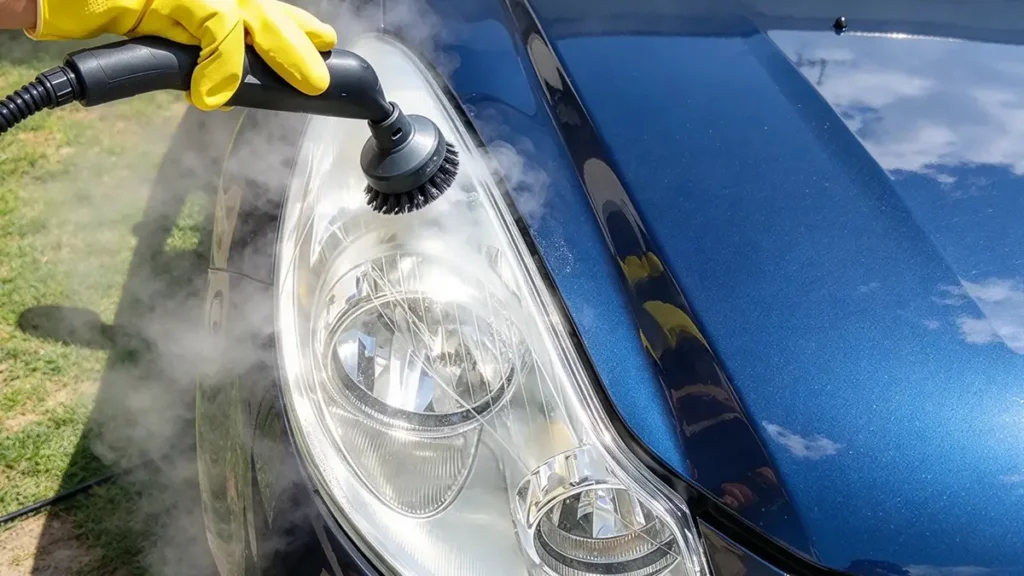
Plastic CNC machining is usually manufactured through milling, turning, or drilling. These processes leave tool marks and a matte surface. These surfaces need finishing to feel smooth. In transparent plastics (e.g., acrylic or polycarbonate), these marks reduce optical clarity and surface quality. Vapor polishing is a preferred method for achieving this level of smoothness. Vapor polishing helps create transparent plastics and lightweight, optical-quality lenses. This guide explains the vapor polishing technique and how manufacturers can achieve a clear, smooth plastic surface.
What is Vapor Polishing?
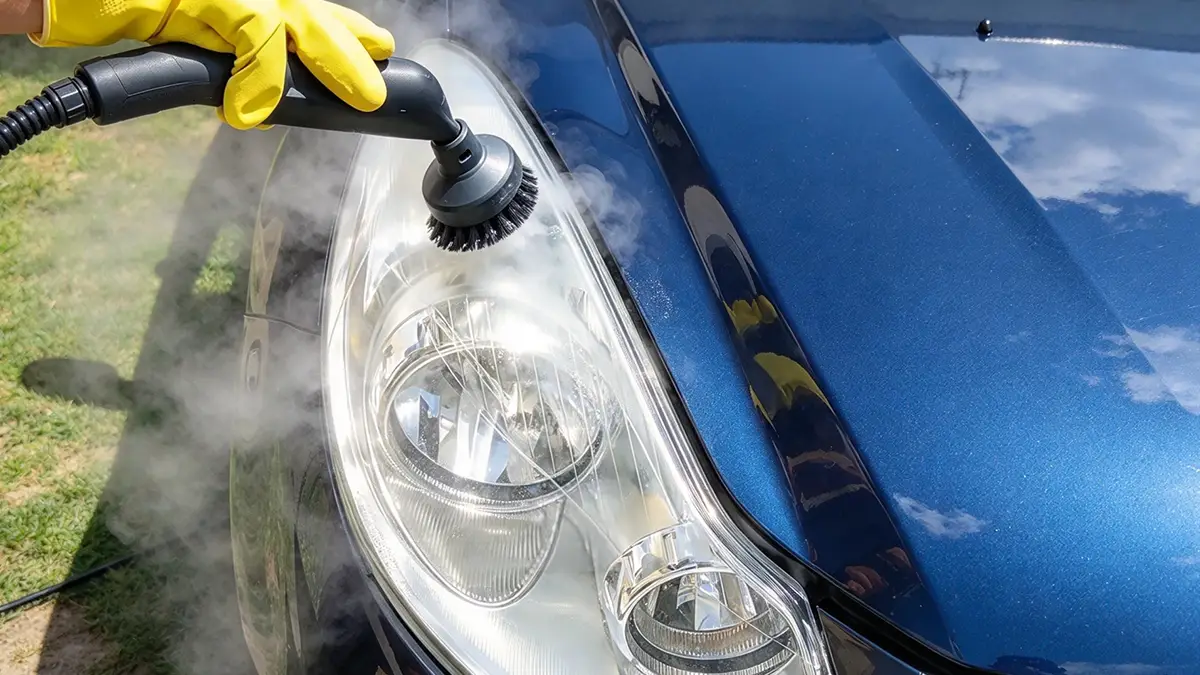
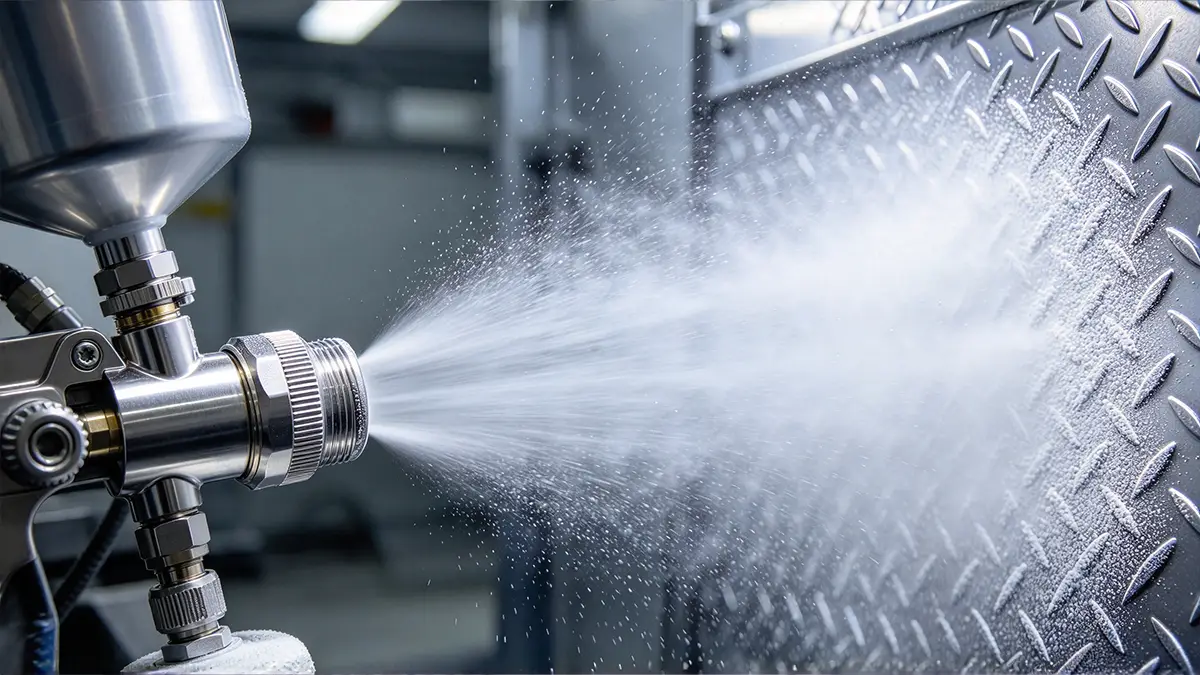
Vapor polishing involves converting a solvent into a vapor, then spraying it onto the product or part being surface-finished with a pressurized air stream. It smooths plastic resin material at the microscopic level to achieve the desired effect. This is done using a suitable chemical solvent, which reacts with the surface chemistry of the specific plastic. This solvent is heated to boiling, and the vapors are sprayed on the plastic. The plastic surface then melts and fills in the small holes and scratches. When the vapor is gone, the plastic becomes solid again. The vapor briefly dissolves and reflows the outer layer, reducing surface roughness and improving appearance, without changing the part’s overall dimensions.
Vapor Polishing Process
- Parts Preparation
The vapor polishing process starts with parts preparation. During this phase, inspect parts for defects and cleanliness. Then remove dust, oil, and contaminants. When preparing parts for polishing, use appropriate handling methods, such as wearing PPE. Lint-free tools and gloves help prevent fingerprints and scratches.
- Loading the Parts
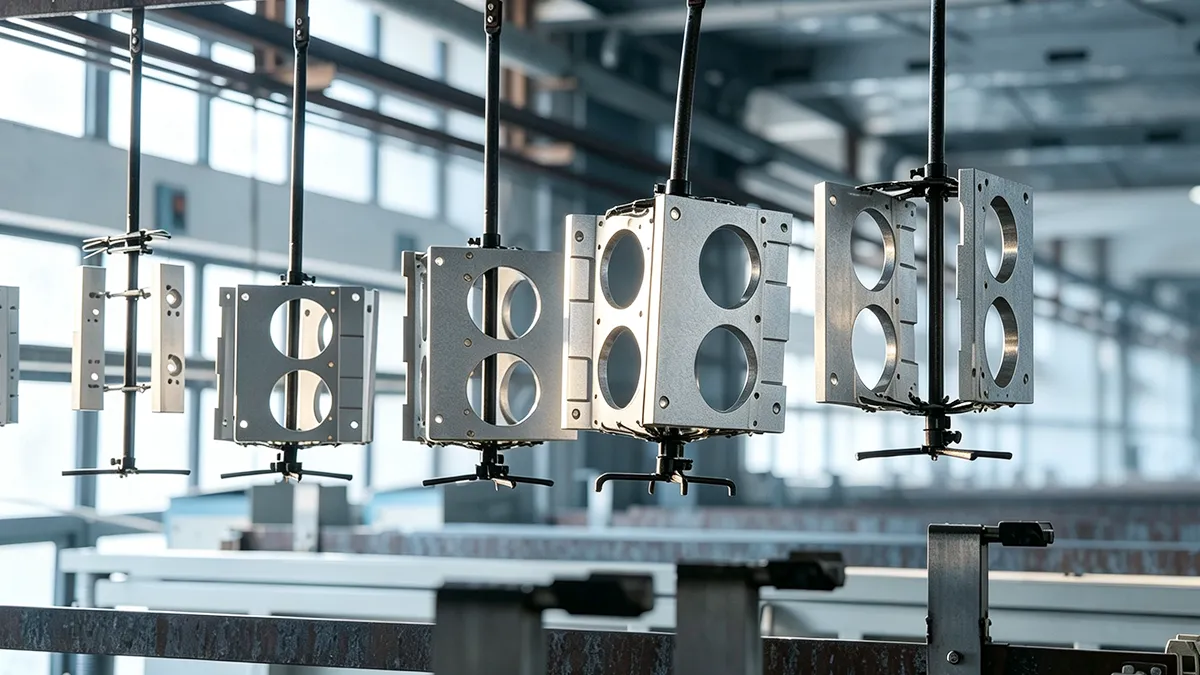
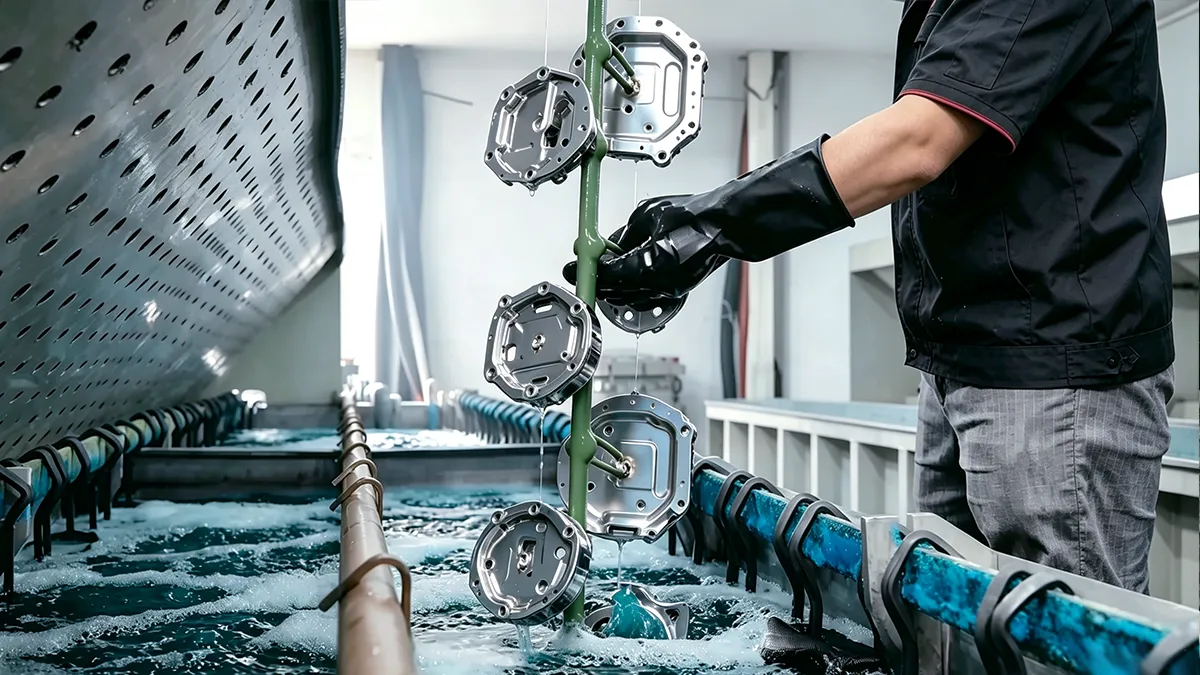
Place the parts on racks or fixtures. Proper spacing ensures uniform vapor exposure. Operators must avoid overloading the chamber.
- Adding Solvent
Operators fill the tank with the recommended solvent (e.g., Dichloromethane, or other suitable solvents). While adding solvent, it is important to follow the manufacturer’s level guidelines and not overfill
- Vapor Generation
After adding solvent, operators close the chamber and start the heater. The solvent heats to its boiling point, producing vapors that fill the chamber. Typical temperature range: 50-80°C (depends on the solvent).
- Vapor Exposure and Polishing
Parts are exposed to solvent vapors for a controlled time (typically 5-30 minutes). The vapor softens the outer layer of the plastic, allowing it to flow and smooth the surface. No direct liquid contact is needed.
- Cool and Ventilate
Turn off the heater and allow the chamber to cool. Ventilation removes residual vapors. Do not open the chamber until the temperature is safe.
- Remove and inspect
The operators remove the parts using clean gloves. After removal, operators inspect the parts for surface smoothness, clarity, and a uniform finish. The parts have a smooth, glossy finish with improved appearance and feel. Dimensions remain essentially unchanged. Ready for assembly or further processing.
Which Plastics Are Suitable For Vapor Polishing?
Vapor smoothing works well on thermoplastic materials, especially those highly soluble in specific solvents. The process works for many plastics.
ABS
ABS can strengthen the surface without compromising design precision, making it suitable for high-performance applications. Acetone treatment on ABS parts effectively removes visible layer lines from 3D printing, resulting in a smooth surface and improved durability. By smoothing rough areas, it enhances both the appearance and resistance to wear and cracking.
Policarbonato (PC)
Polycarbonate vapor polishing removes machining marks. It enhances transparency for optical and structural parts. The process strengthens the part by closing small cracks, improving its resistance to mechanical stress. For PC parts, a vapor-polished finish addresses surface imperfections that compromise both appearance and function. This method delivers a flawless surface and enhances the part’s overall performance, making it ideal for lenses, protective screens, or medical devices.
Acrílico (PMMA)
This plastic is non-crystalline and is therefore usually referred to as acrylic glass. Vapor polishing acrylic components smooths out surface imperfections, creating a sleek, glossy finish that elevates visual quality. It provides better transparency for translucent components and reduces surface friction, ensuring smoother performance in various applications. Vapor polishing PMMA delivers superior transparency and smoothness for display and lens applications.
ULTEM (Polyetherimide)
Vapor polishing is highly effective for ULTEM parts, which are often used in aerospace and medical applications. The process smooths the surface and restores its natural amber transparency, which is frequently lost during CNC machining. This enhanced clarity is crucial for components requiring fluid visibility or optical inspection.
What Are The Application Areas For Vapor Polishing?
Vapor polishing is widely used in commercial and domestic production finishing. Application areas include wearables, aerospace, the medical industry, consumer goods, and optical components.
Wearables
Vapor polishing can provide high-quality aesthetics and wearability in wearables. Wearable technology is a growing market that demands lightweight, durable, and comfortable components. With soft-touch finishes, easy-to-clean surfaces, and integrated features, customized wearable parts with these finishes can meet the industry’s stringent requirements.
Aeroespacial
In the aerospace industry, vapor smoothing is essential for enhancing the surface finishes of plastic components used in control systems, instrument panels, and aircraft interiors.
Additionally, 3D printing is commonly employed to produce complex airplane parts. Polishing improves the surface quality of these parts, not only giving them a refined appearance but also helping reduce aerodynamic drag.
Médico
Medical equipment needs high precision and durability. Vapor polishing helps ensure a smooth surface and easy cleaning. Most plastics have scratches and lines, but with this finish, medical products are crystal clear. They are also comfortable to wear and do not accumulate debris.
Bens de consumo
High-end cosmetic packaging, transparent containers, and other consumer products often undergo vapor polishing to achieve a premium look and feel. This enhances the product’s shelf appeal and reflects the quality and care put into the product’s design and manufacturing.
Optical Components
Optical components have stringent surface-smoothness requirements to minimize light scattering and ensure clarity. This method refines the surfaces of 3D-printed optical components, ensuring they meet these strict requirements. The process produces high-quality optical components suitable for applications where precision and clarity are paramount, such as lenses, prisms, and mirrors.
What Are The Benefits Of Vapor Polishing?
Enhanced Appearance
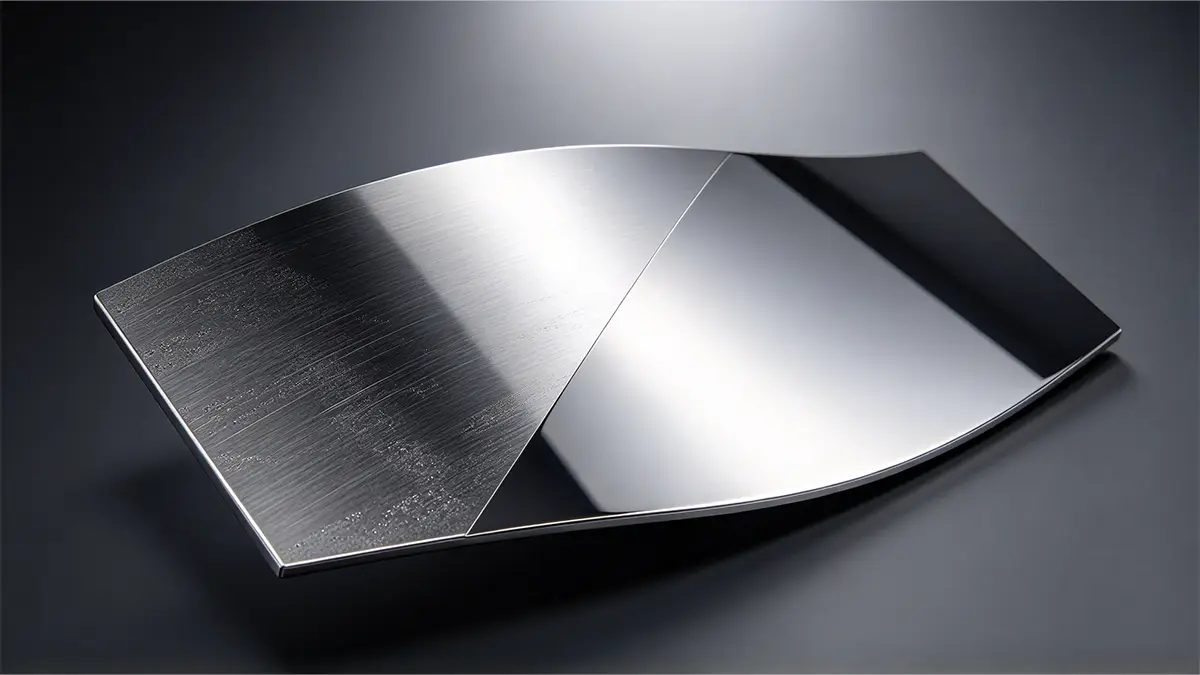
Vapor polishing can effectively remove the layer lines and surface defects from CNC-machined or 3D-printed parts. The product surface can be smoother and glossier, significantly improving its visual appearance and tactile feel.
High Efficiency
Vapor polishing is a fast surface treatment process with a very short turnaround time. Once the vapor contacts the product, it takes only a few seconds for the product to become significantly more transparent.
Ability To Process Complex Structures
Vapor polishing can effectively address complex geometric shapes and internal features, including small channels, threads, and other hard-to-reach areas. Compared with traditional manual polishing, these areas are often difficult to smooth, while steam polishing uses solvent vapor to process the plastic surface at the molecular level.
Baixo custo
Compared to laborious manual or mechanical polishing and grinding, vapor polishing is highly cost-effective, especially for parts with complex geometric structures.
Improved Optical Performance
Another major advantage of vapor polishing is its ability to improve light transmission and optical clarity. This makes vapor-polished plastics more suitable for applications such as medical devices, displays, and optical components, where high transparency and optical performance are required.
How Does Vapor Polishing Compare With Other Processes?
Vapor Polishing vs Manual Polishing
During vapor polishing, solvent vapors soften the polymer surface. This allows the surface to reflow and reduce machining marks. Dimensional change in vapor polishing is usually minimal when exposure is controlled.
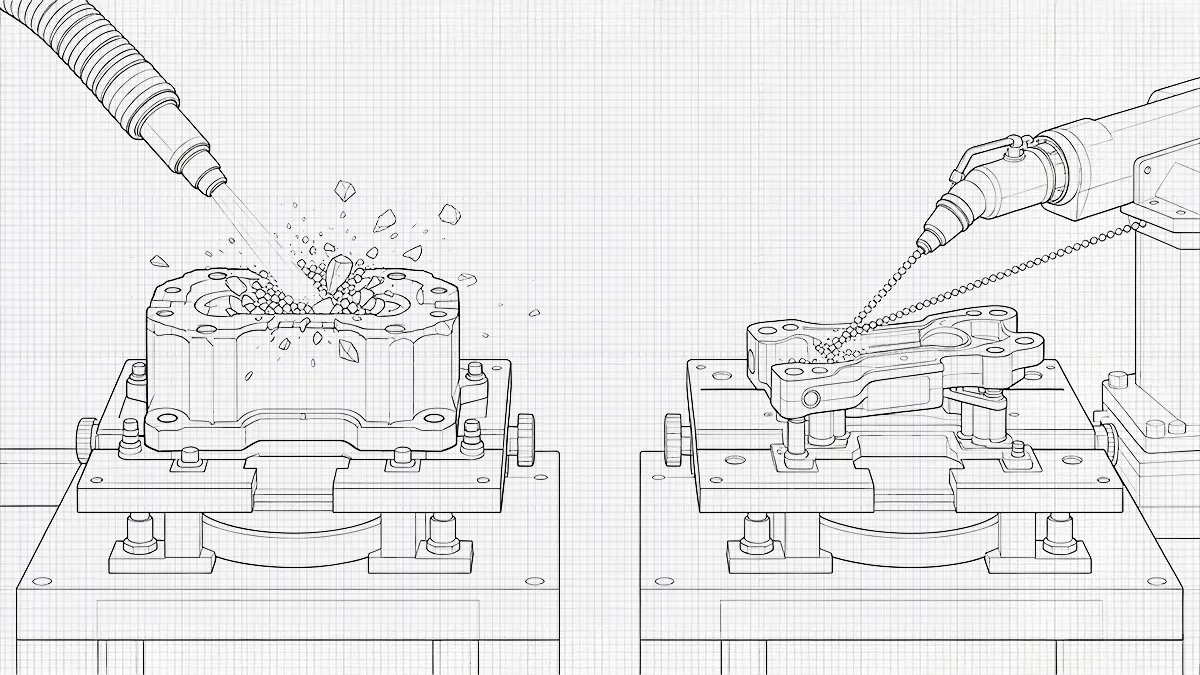
Manual polishing removes undesired material physically and may introduce dimensional variation. Finish quality in manual polishing depends heavily on operator skill and proper pressure application.
Vapor Polishing vs Mechanical Buffing
Vapor polishing chemically reflows the surface without removing material. Mechanical buffing removes surface material and can even alter critical dimensions. However, it leads to swirl marks or inconsistent finishes. It requires skilled operators for repeatable results. So, this limits batch production efficiency.
Vapor Polishing vs Flame Polishing
Vapor polishing uniformly applies solvent vapor. It minimizes thermal stress and preserves thin walls. Surface gloss and clarity are consistent across the entire part, including edges and internal features.
Flame polishing, on the other hand, melts surface edges with direct heat. It can warp thin sections or induce micro-cracks. It often works best for straight acrylic edges, but it is unsuitable for complicated and large surfaces.
Conclusão
In summary, vapor polishing represents the gold standard for finishing transparent thermoplastic parts. By understanding material compatibility and carefully controlling the solvent exposure process, manufacturers can easily eliminate machining marks and achieve a flawless, glossy finish. For high-performance plastic components where clarity and aesthetics are non-negotiable, vapor polishing remains the ultimate finishing solution.




 PT
PT  EN
EN  ES
ES  FR
FR  DE
DE  IT
IT  NL
NL  PL
PL  AR
AR  JA
JA  KO
KO  ZH
ZH