
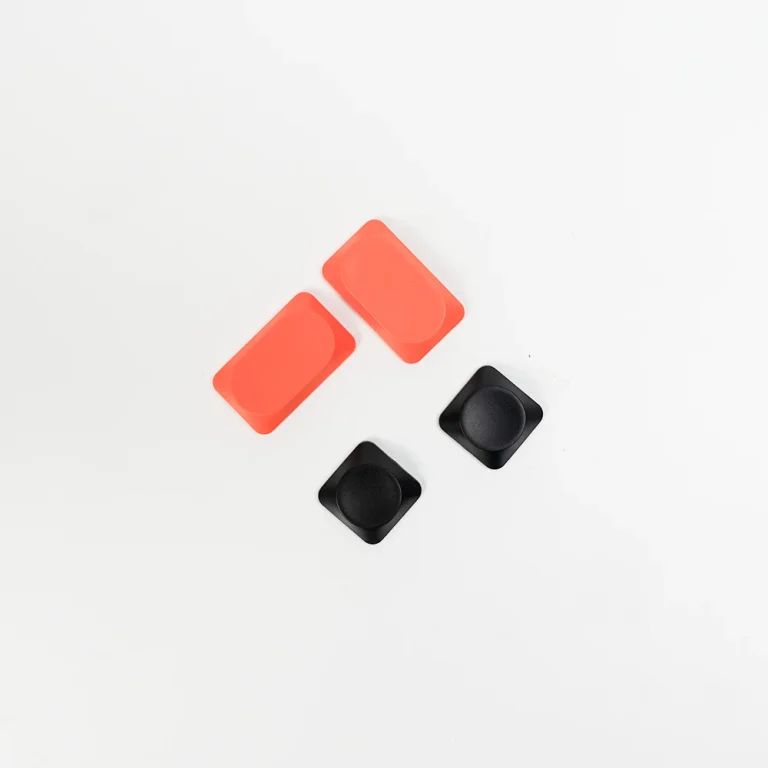

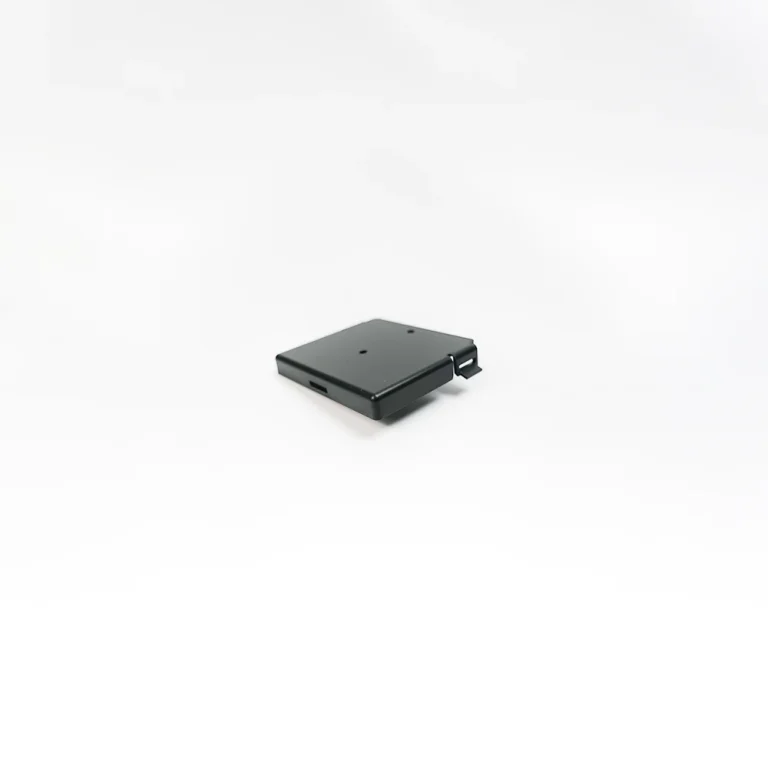
Electrocardiograph (ECG) machine buttons help healthcare professionals to interact with the machines. They are part of the control panel for adjusting settings. Some of the common buttons you will find on the machine include power, record/start, stop, menu/settings, speed, copy, and so on. Several considerations must be made during ECG buttons manufacturing, including;
- 素材の選択: The material must be biocompatible for limited medical applications to meet FDA regulations. It should also be chemical-resistant to withstand harsh sterilization agents and flame-retardant to comply with safety standards.
- Ergonomics and tactile feedback: The ECG monitor buttons should be designed to have a “click” feel. The buttons must withstand repeated use without losing functionality or wearing down.
- Precision and tolerances: The precision must be high for accurate alignment, fitness, and consistent operation.
- 美学: The buttons must be lettered to indicate their function. The labelling must not peel off with repeated use or be erased during sterilization or cleaning.
クライアント要件
A client visited First Mold’s facility with a request for production tooling for consumer-grade ECG monitor buttons using ABS/ PC+ABS. During discussions, the client was unsure of many aspects of the ECG button mold. However, they consistently emphasized low-cost production.
In one of the meetings with the client, First Mold’s Production Manager, Bowen Huang, said, “The simplest looking parts are sometimes the ones that need the most attention,” encouraging the ECG button manufacturer to be as detailed as possible in their requirements.
In response, the manufacturer listed the core requirements for the project, leaving First Mold’s team with blanks to fill.
- Major production limitation: Cost
- Overall weight: Lightweight
- Surface treatment: Standard smooth
- Lettering: Unsure, but must resist wear and peeling from repeated use
- Part tolerance: 0.04mm
- ECG button mass production yield rate: ≥98%
課題と解決策
Since the button was for a consumer-grade ECG monitor, there were no cleanroom requirements, which would have pushed up the production cost.
Although the process for the ECG buttons manufacturing was straightforward with no real technical issues, the main complication was arriving at a decision during the communication with the client because they didn’t have a solid blueprint and were mostly unsure of what they wanted.
Creating ECG Monitor Button Icons
The client wanted to create button icons that would resist peeling or fading with repeated use and cleaning using harsh sterilization chemicals. At first, the team of First Mold engineers considered two-shot ECG button injection molding to create the icons.
However, the client wanted to keep the ECG button’s mass production cost low. So, after communicating with the client, we decided to abandon two-shot injection molding and switch to other printing methods for the lettering to reduce costs.
After the production of the ECG buttons, First Mold engineers settled for screen printing with proper UV curing to mark the custom buttons with the appropriate letters that indicate their function on the machine.
ECG Button Mold Production Using CNC Machining
While creating the mold for the ECG buttons, our team carefully considered the Design for Manufacturability (DFM) analysis, with a special focus on achieving uniform wall thickness to ensure consistent, high-yield, defect-free production.
Additionally, the team optimized the gating to ensure proper filling of the cavity without excessive stress. Adequate gating allowed trapped air to escape and prevent burn marks or splay.
First Mold achieved the 0.04 mm tolerance for the ECG button mold using high-precision CNC machining. Precision grinding was used to finish the mold plates to ensure flat, high-tolerance mating surfaces. This grinding also helped to achieve the standard smooth surface treatment requirement for the product.
The Client’s Gain With First Mold’s Solutions
When the client contacted First Mold, the uncertainty in their requirements presented a unique challenge. However, through clear communication, we delivered an ECG button mass production mold that surpassed the client’s expectations.
“It is easier to work when the client has a clear blueprint with all the requirements properly highlighted,” said Huang. “When the client leaves many gaps for you to fill, you’ll never know what reaction you will get at the end of the day. It is more like rolling a dice. You may hit a six or one.”
The ECG button mold was delivered within schedule, which the client appreciated. Also, the client received full optimization documentation (with temperature and pressure range recommendations, quality control checks, maintenance instructions, and troubleshooting guidelines) to ensure consistent high-yield operation. Finally, all our clients always get priority part replacement orders to ensure minimal downtime.
よくあるご質問
Material selection is the most important consideration for the ECG monitor button. For this project, PC+ABS was handpicked because of its biocompatibility, chemical resistance, and flame retardancy. The design should be ergonomic and provide tactile feedback. Tight tolerance is also necessary for accurate alignment and operation.
High yield ≥98% can be achieved using the combination of optimized tooling design and process parameters. Implementing conformal cooling channels can reduce cycle times by 26% and prevent warpage.



 JA
JA  EN
EN  ES
ES  FR
FR  DE
DE  IT
IT  PT
PT  NL
NL  PL
PL  AR
AR  KO
KO  ZH
ZH