

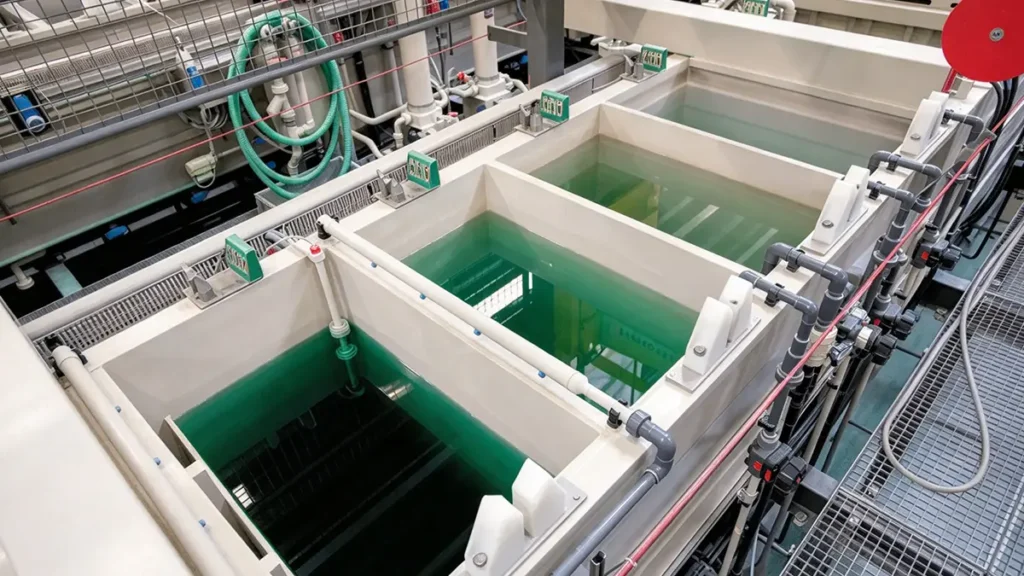
La surface d'un composant métallique détermine ses performances en conditions réelles. Le nickelage ne se résume pas à l'ajout d'une simple couche métallique ; il s'agit d'un moyen de modifier les surfaces. La plupart du temps, ces pièces métalliques sont constamment exposées aux frottements, à l'humidité, à des manipulations répétées et à des produits chimiques, ce qui fait de la dégradation de leur surface un enjeu majeur.
Le nickelage consiste simplement à déposer une couche supplémentaire de nickel sur un substrat afin d'offrir une protection accrue. Cette technique est utilisée dans un large éventail d'applications, car elle est polyvalente et améliore la durabilité, l'aspect et les performances des pièces.
Les deux familles qui dominent les besoins industriels et les applications des produits sont le nickel électrolytique (galvanisé), qui fait appel au courant électrique, et le nickel chimique (EN/ENP). Ce dernier repose sur une réaction chimique dans laquelle un agent réducteur, principalement l'hypophosphite de sodium, provoque le dépôt de nickel sur le substrat.
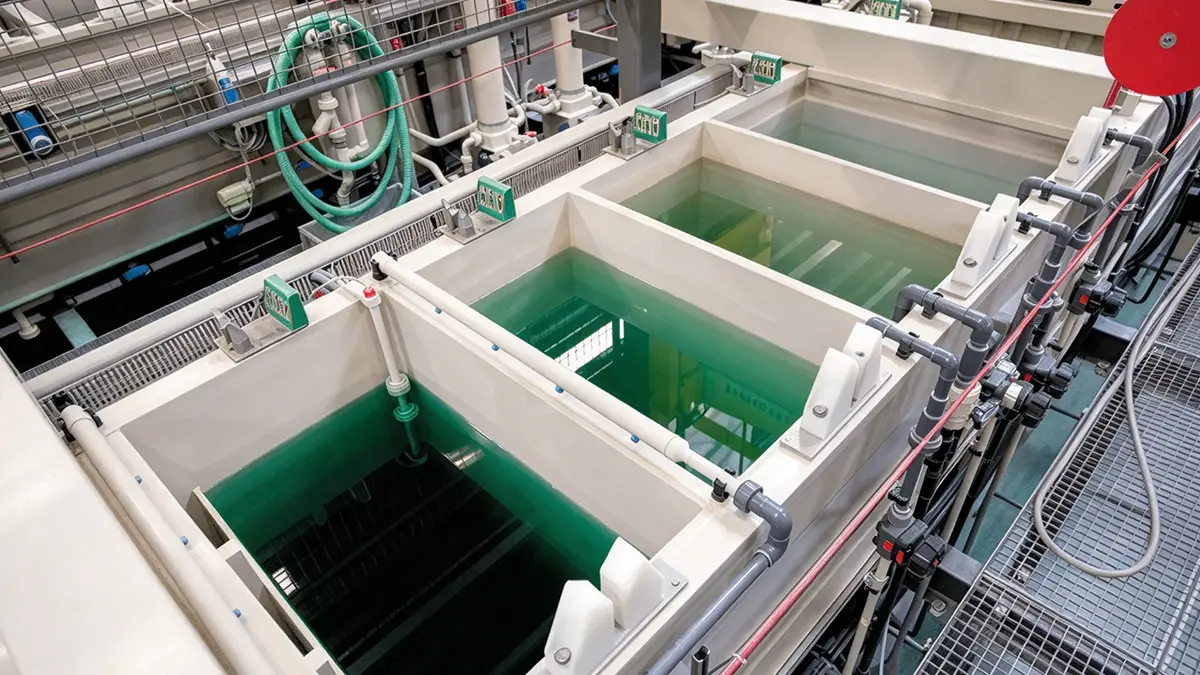
Quelles sont les différences entre les deux méthodes fondamentales de nickelage ?
Nickel électrolytique (galvanisé)
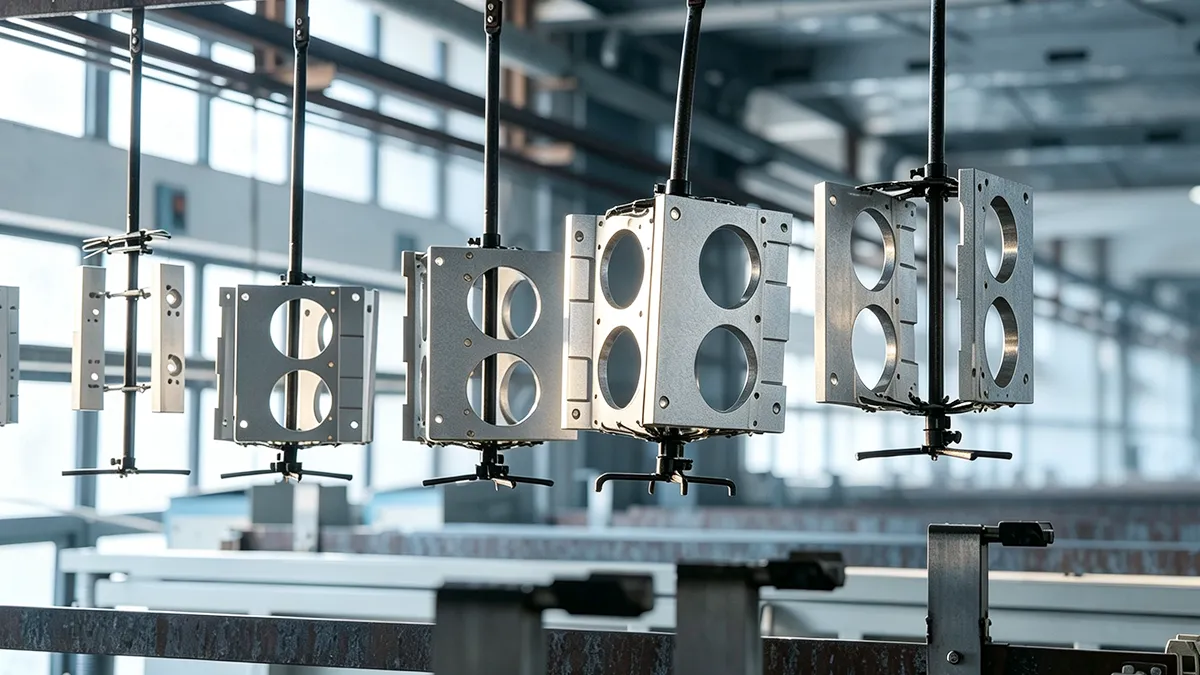
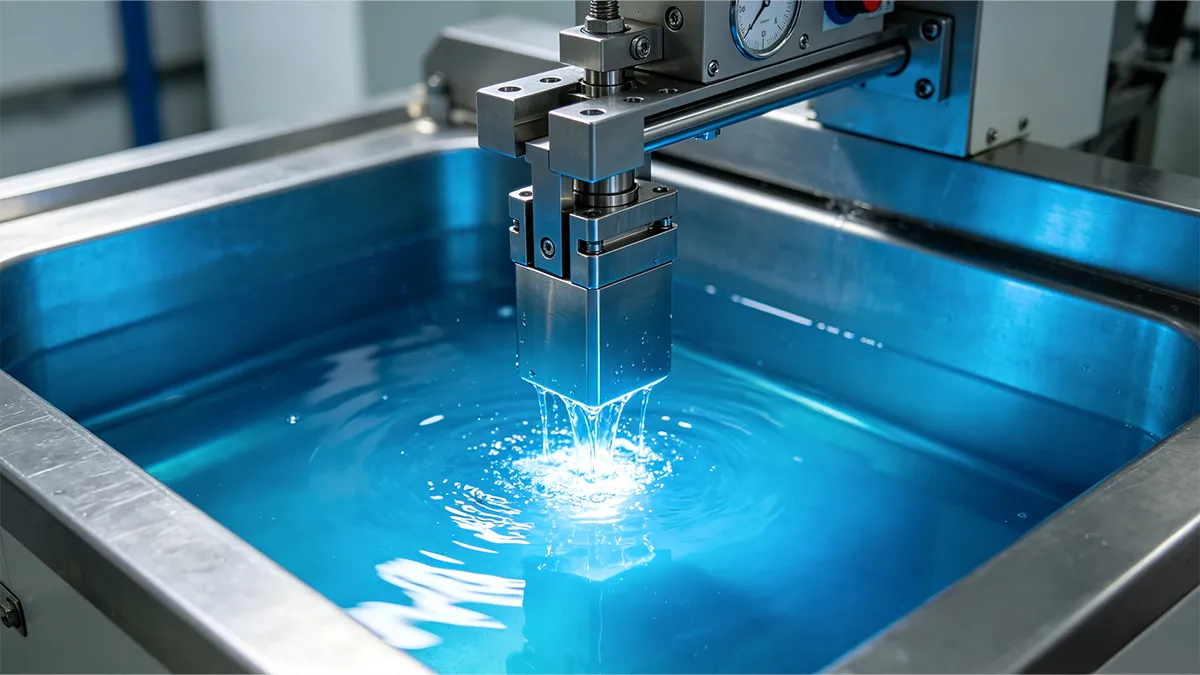
Un courant électrique continu circule entre des anodes en nickel et la pièce servant de cathode, où se déposent des ions nickel. Ces pièces sont immergées dans une solution électrolytique contenant des sels de nickel (par exemple, du nickel Watts), ce qui nécessite le respect de protocoles stricts de protection respiratoire et cutanée en raison des limites d'exposition professionnelle établies pour les composés solubles du nickel. [1]. Ce procédé utilise du nickel 100%, mais il est également possible d'utiliser d'autres matériaux, tels que le cuivre. Il présente donc des avantages tels que la préservation de la pureté du matériau. L'un de ses inconvénients réside dans la nécessité de respecter des paramètres précis, tels que la densité de courant et la température.
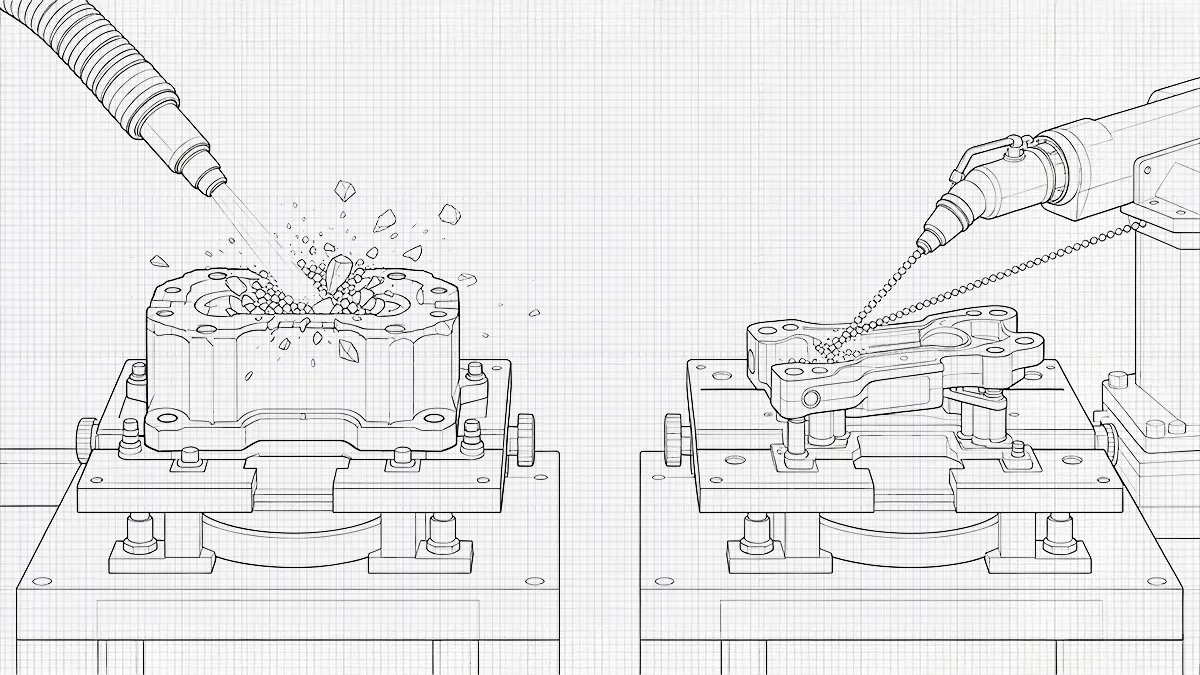
Les zones géométriques telles que les arêtes, les saillies et les angles reçoivent davantage de courant, ce qui entraîne une concentration des dépôts plus épais (“ effet dog-boning ”), tandis que les trous borgnes et les alésages internes présentent des dépôts plus fins, un phénomène que l'on qualifie de « faible pouvoir de projection ».
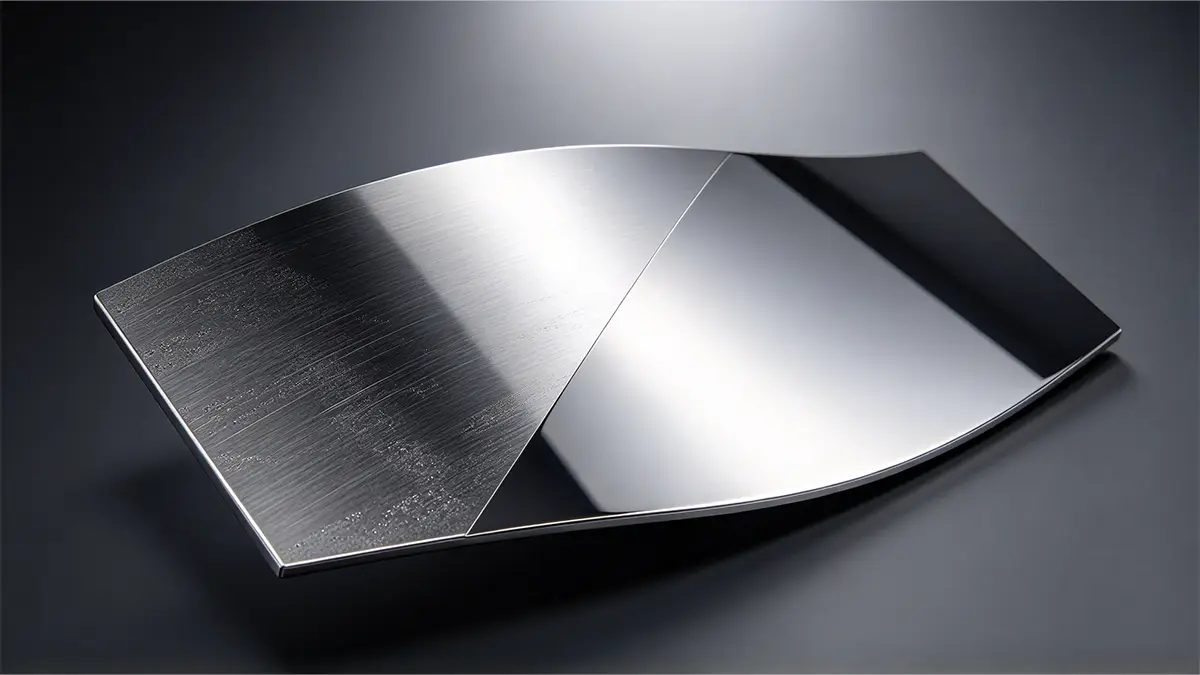
Ce procédé permet d'obtenir une finition brillante ou semi-brillante. En modifiant les additifs du bain, il est facile d'ajuster et d'obtenir la brillance ou l'éclat souhaité pour la surface. Il est couramment utilisé pour la fabrication de composants décoratifs, notamment lorsqu'ils servent de couche de base sous une couche d'or ou de chrome dans des assemblages multicouches.
Nickelage chimique (autocatalytique)
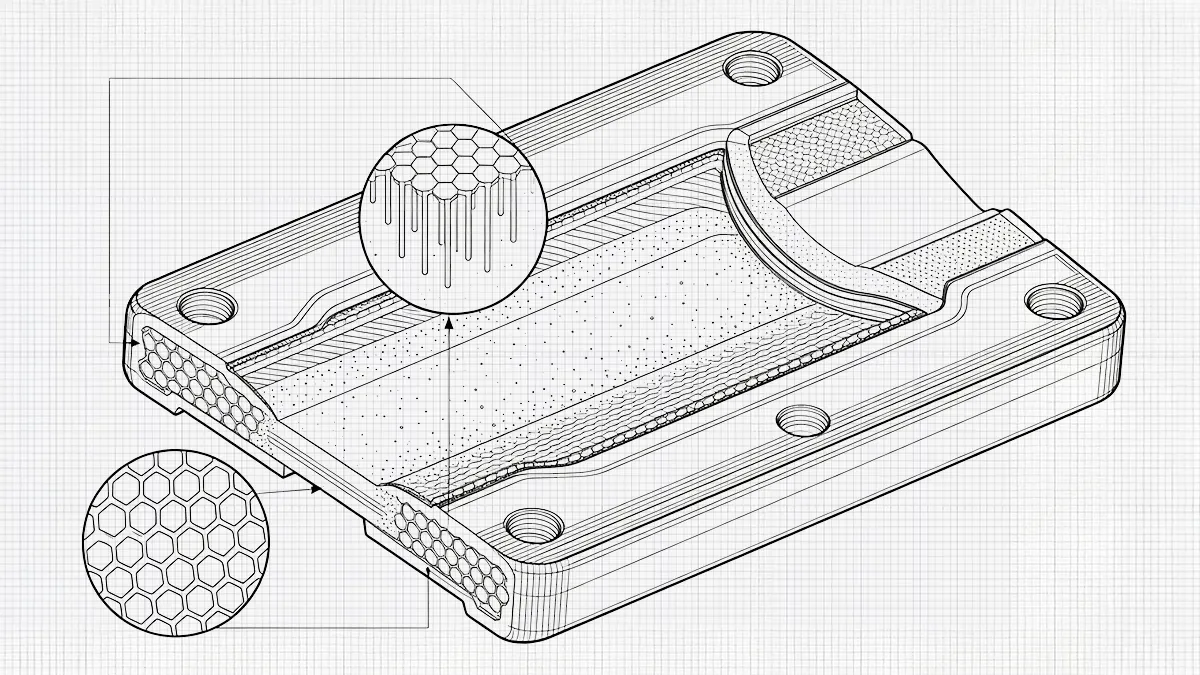
Comme son nom l'indique, ce procédé ne fait pas appel au courant électrique pour le dépôt. Il utilise plutôt un procédé chimique pour déposer un alliage de nickel et de phosphore sur la surface d'un objet. L'agent réducteur est généralement l'hypophosphite de sodium, qui déclenche le dépôt. Ce procédé convient aux formes complexes et aux tolérances serrées, car il permet d'obtenir une épaisseur homogène. Par exemple, les géométries irrégulières telles que les cavités profondes, les filetages et les trous borgnes se plaquent à peu près au même rythme que les surfaces planes externes.
Malgré son haut rendement, ce procédé présente plusieurs inconvénients potentiels. Il nécessite en effet une surveillance régulière de la concentration en nickel et des agents réducteurs. Cela permet de maintenir un dépôt stable et de garantir l'uniformité du revêtement ; toutefois, les bains de nickelage chimique usagés nécessitent un traitement spécialisé des eaux usées afin de respecter les directives fédérales relatives aux effluents issus du traitement de surface des métaux. [2]. Ce procédé nécessite également un contrôle rigoureux du pH et de la température du bain, car ces paramètres accélèrent et stabilisent l'ensemble de la réaction chimique. Le fait de maintenir la solution dans ces conditions permet d'éviter des problèmes tels qu'une adhérence réduite ou une rugosité excessive.
| Paramètres | Nickel électrolytique | Nickel chimique (EN/ENP) |
|---|---|---|
| Courant requis | Oui (DC) | Non (autocatalytique) |
| Uniformité de l'épaisseur dans les géométries complexes | Faible à modéré | Excellent |
| Spécification ASTM applicable | Cela dépend du métal déposé ; par exemple, la norme ASTM B633 pour le zinc, B456 pour le chrome et B689 pour le nickel. | ASTM B733 |
| Dureté typique à la sortie de la ligne de placage | 150 à 500 HV (nickel brillant) et type II : environ 50+ HRC / ~450 à 500 HV. | Peut atteindre une dureté comprise entre 450 et 550 HV, voire entre 850 et 1 000 HV, après traitement thermique. |
| Composition des dépôts | Nickel pur ou alliages Ni-Co, Ni-W. | Alliage nickel-phosphore, 1–13% P en poids. |
| Comportement magnétique | Ferromagnétique | De ferromagnétique (faible P) à pratiquement non magnétique (P > 11%) |
Dans quelle mesure les teneurs en phosphore influent-elles sur les performances du nickelage chimique ?
Le nickel-phosphore déposé par voie chimique (ENP) s'est imposé dans divers secteurs industriels, car il permet d'obtenir une épaisseur de revêtement uniforme, quelle que soit la géométrie de la pièce. La teneur en phosphore de l'ENP s'est donc révélée être un facteur déterminant pour les propriétés physiques, la structure et les performances de la couche déposée.
Les différentes teneurs en phosphore sont classées en trois catégories.
- Faible teneur en phosphore – contient entre 1 et 41 TP4T de phosphore dans les dépôts chimiques.
- Teneur moyenne en phosphore : contient entre 5 et 91 TP4T de phosphore.
- Teneur élevée en phosphore : toute teneur supérieure à 91 TP4T.
Cette variation a une incidence sur les propriétés, notamment les propriétés mécaniques, ainsi que sur les types d'applications auxquelles le dépôt est destiné.
Normes ASTM B733 : Types de revêtements : Types I à V
La norme ASTM B733 définit les spécifications relatives aux revêtements de nickel-phosphore par voie chimique sur les surfaces métalliques. Elle sert de norme de référence dans le cadre de spécifications plus larges telles que la MIL-C-26074 ou l'AMS 2404, qui définissent les exigences en matière de nickelage dans diverses applications.
Ces classifications comprennent :
Type I – Aucune teneur en phosphore n'est fixée pour un usage général. Il est généralement utilisé pour des revêtements fonctionnels non critiques.
Type II – présente une composition allant de 1% à 3% P (faible) et est extrêmement dur à la sortie du procédé de placage (60 HRC). Il possède une structure microcristalline offrant une conductivité élevée pour l'électronique et une bonne soudabilité. Il convient également aux environnements chimiques alcalins.
Type III – avec une composition de 2–4% P, sa grande dureté et sa résistance à l'usure en font un matériau idéal pour des composants tels que les noyaux de moules, les surfaces hydrauliques et les surfaces soumises à l'usure.
Type IV – présente une teneur en phosphore comprise entre 5 et 91 TP4T P, ce qui correspond à une teneur moyenne. Sa structure mixte cristalline/amorphe en fait un matériau polyvalent et robuste. Offrant un bon équilibre entre résistance à l'usure et résistance à la corrosion, il convient donc à la fabrication de pièces industrielles générales et de corps de vannes.
Type V – Teneur élevée en phosphore > 10% P. Sa structure amorphe le rend particulièrement adapté aux environnements acides et huileux. À partir d’environ 11,2% P, il devient pratiquement non magnétique.
Remarque : à mesure que la teneur en phosphore augmente, la dureté et la résistance à la corrosion évoluent dans des directions opposées.
Condition d'utilisation (SC) : Épaisseur du revêtement
En ce qui concerne l'épaisseur, le numéro de condition d'utilisation “ SC ” désigne le revêtement en fonction des conditions extrêmes auxquelles il sera soumis.
SC1 (Léger) : 5 µm – idéal pour l'électronique et le stockage en intérieur.
SC2 (léger) : 13 µm – pour les applications industrielles générales.
SC3 (modéré) : 25 µm – destiné à une exposition en extérieur et aux environnements marins.
SC4 (grave) : 75 µm et plus – convient à tout contact direct avec des produits chimiques corrosifs ou à des pièces industrielles soumises à une forte usure.
Cours sur le traitement thermique
En ce qui concerne les traitements thermiques, les numéros de “ classe ” indiquent ce qui se passe une fois que la pièce a quitté la cuve de galvanoplastie.
- Classe 1 – Tel quel, après placage. Sans traitement thermique.
- Classe 2 – Traitement thermique effectué entre 260 °C et 400 °C afin d'atteindre une dureté minimale de 850 HK.
- Classe 3 – Traitement thermique à une température comprise entre 180 °C et 200 °C pendant environ 2 à 24 heures afin d'éliminer la fragilisation par l'hydrogène dans les composants en acier à haute résistance.
- Classe 4 – Traitement thermique à une température comprise entre 120 et 130 °C afin de renforcer l'adhérence du revêtement sur les surfaces en alliage d'aluminium.
Par exemple, lorsqu’on vous présente un plan technique indiquant “ nickelage chimique ” sans autre précision, les informations fournies sont insuffisantes et laissent place à des conjectures. Le nickelage chimique étant une finition hautement personnalisable, vous avez besoin d’un guide capable de décrypter la classification ASTM B733 comme un expert.
Grâce à ces informations, rédiger une référence ASTM B733 parfaite devient un jeu d'enfant. Par exemple, une spécification complète devrait se présenter comme suit : “Nickelage chimique conforme à la norme ASTM B733, type II, SC2, classe 2”
Le plateur reçoit le message sous la forme “J'ai besoin d'un revêtement à faible teneur en phosphore, d'une épaisseur de 13 microns, et je souhaite qu'il soit cuit pour obtenir une dureté maximale.”
Avec quels substrats et procédés de fabrication le nickelage est-il compatible ?
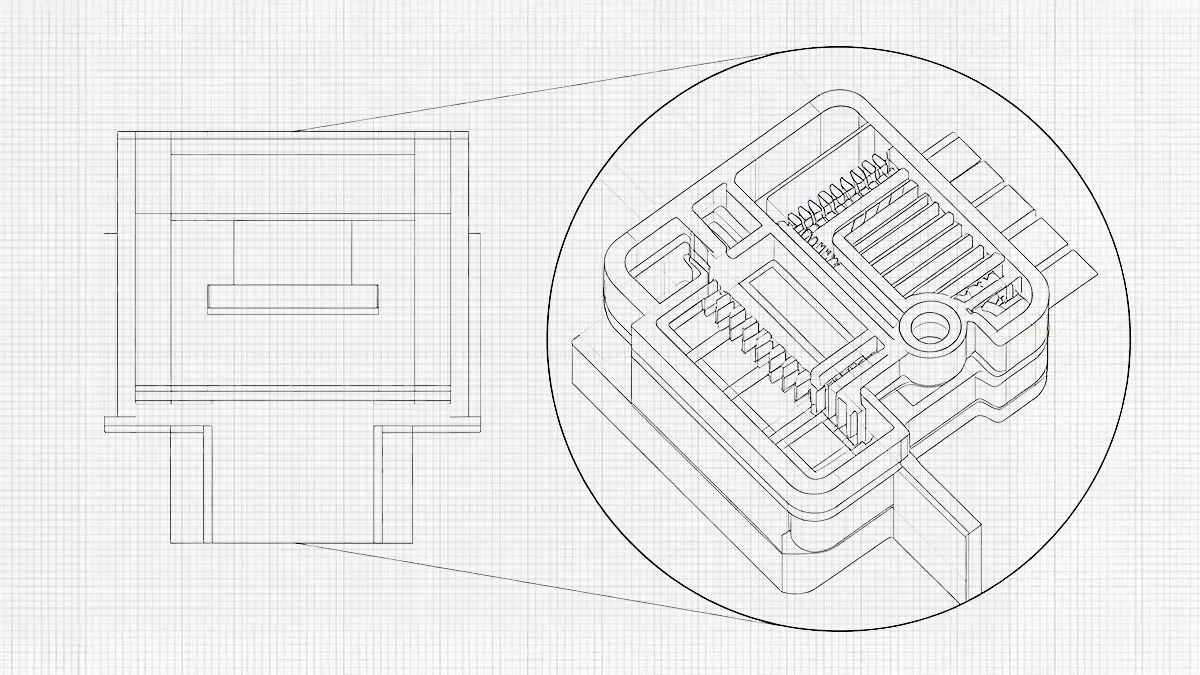
Pièces métalliques usinées par CNC
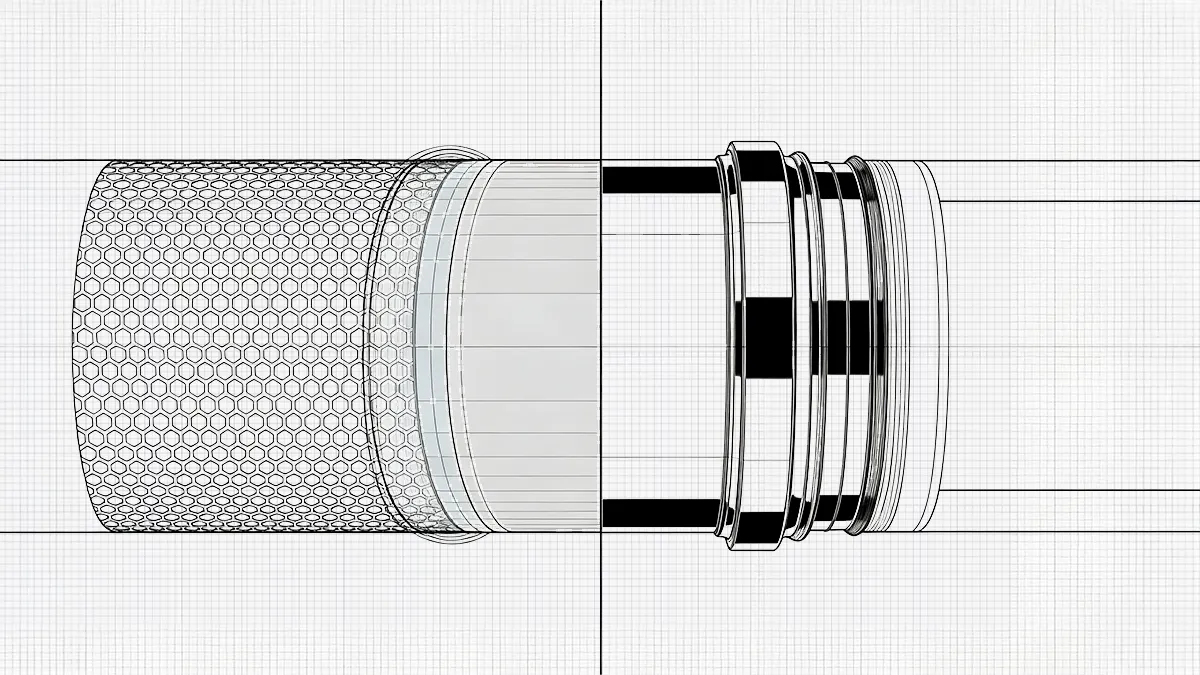
La polyvalence du nickelage améliore la compatibilité avec divers substrats métalliques et non métalliques.
Alliages d'aluminium (6061-T6, 7075-T6, 5052)
L'aluminium forme, au contact de l'air, une couche protectrice qui empêche le nickel d'adhérer directement. Une étape d'immersion dans une solution de zincate permet d'éliminer cet oxyde, exposant ainsi la surface à plaquer ; il s'agit d'une séquence de prétraitement obligatoire utilisée dans la fabrication aérospatiale afin de garantir une adhérence solide entre la matrice en aluminium et la couche protectrice de nickel. [3]. Le nickelage de l'aluminium améliore la résistance à la corrosion et la dureté de surface.
Aciers au carbone et alliés
Offre une excellente compatibilité après une activation acide standard. Les aciers à haute résistance supérieurs à 1 000 MPa (RC 30–35) sont sujets à la fragilisation par l'hydrogène conformément à la norme ASTM B850, car ces deux procédés peuvent introduire de l'hydrogène dans le substrat, un mode de rupture critique strictement réglementé par les normes fédérales de l'aviation pour les trains d'atterrissage et les composants porteurs. [4]. Pour les aciers à faible teneur en carbone, cette compatibilité garantit une résistance d'adhérence élevée et une grande uniformité.
Aciers inoxydables (304/316, série 400)
Les surfaces en acier inoxydable sont prétraitées avec une couche de nickel afin de permettre au placage d'adhérer à l'acier. Le non-respect de cette étape cruciale est une cause fréquente de décollement. Le nickelage renforce la dureté et la résistance à la corrosion, déjà impressionnantes.
Cuivre et laiton
Le nickelage chimique présente des avantages pour le cuivre et le laiton, car ce revêtement les protège contre des problèmes tels que l'oxydation (ternissement du laiton) et la dégradation de la surface. Ces métaux se nickelent facilement et sont couramment utilisés comme sous-couche pour les finitions en métaux précieux, comme l'or et l'argent, dans les connecteurs RF.
Pièces en plastique moulées par injection
Parmi les plastiques couramment utilisés et pouvant être métallisés avec succès, on trouve l'ABS et les mélanges PC/ABS. Le procédé est légèrement différent, car le substrat est non conducteur et doit être rendu catalytique avant tout dépôt métallique.
Le polycarbonate peut être revêtu avec succès après activation, ce qui le rend adapté aux composants électroniques. Le revêtement chimique sur le nylon améliore la résistance, ce qui augmente la durée de vie du produit.
Conclusion
Le nickelage permet de recouvrir, de protéger et de renforcer certaines pièces et certains composants dans divers secteurs industriels. Il est donc important d’étudier les différentes options de nickelage pour certains produits afin d’améliorer la qualité et d’apporter une valeur ajoutée à vos activités. Chez First Mold, nous pouvons vous présenter les nombreuses applications possibles et vous aider à choisir la solution la mieux adaptée à vos besoins.
Références
[1] Institut national pour la sécurité et la santé au travail (NIOSH). (2019). Nickel, composés solubles (exprimés en Ni) – Guide de poche du NIOSH sur les risques chimiques. Centres pour le contrôle et la prévention des maladies. Extrait de https://www.cdc.gov/niosh/npg/npgd0445.html
[2] Agence américaine de protection de l'environnement (EPA). (s.d.). Directives relatives aux effluents issus du traitement des métaux (40 CFR, partie 433). Directives de l'EPA relatives aux effluents industriels. Extrait de https://www.epa.gov/eg/metal-finishing-effluent-guidelines
[3] Agence spatiale américaine (NASA). (2001). NASA-STD-5008 : Revêtement protecteur des équipements spatiaux. Système des normes techniques de la NASA. Extrait de https://standards.nasa.gov/standard/NASA/NASA-STD-5008
[4] Administration fédérale de l'aviation (FAA). (1998). Circulaire d'orientation 43.13-1B : Méthodes, techniques et pratiques acceptables – Inspection et réparation des aéronefs (Chapitre 6 : Corrosion, inspection et protection). Bibliothèque de documents de la FAA. Extrait de https://www.faa.gov/documentLibrary/media/Advisory_Circular/AC_43.13-1B_w-chg1.pdf




 FR
FR  EN
EN  ES
ES  DE
DE  IT
IT  PT
PT  NL
NL  PL
PL  AR
AR  JA
JA  KO
KO  ZH
ZH