

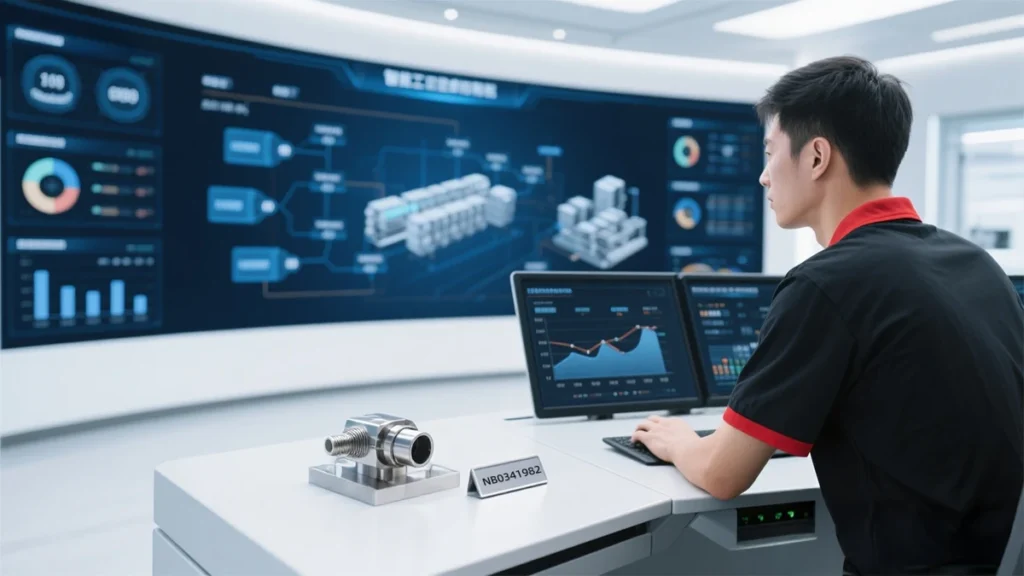
Manufacturing companies face constant pressure to improve their products and stay competitive. Product enhancement involves using proven strategies and technologies to boost quality, efficiency, and customer satisfaction. These improvements can range from adopting new methodologies to adding specific components that serve functional or branding purposes.
Manufacturers can enhance their products through systematic approaches like lean principles, quality control methods, real-time monitoring systems, and strategic additions such as custom nameplates for identification and compliance. Understanding the key factors that influence product enhancement helps companies make informed decisions about which strategies to implement. Quality assurance remains critical throughout the enhancement process to ensure that improvements deliver real value without compromising product reliability.
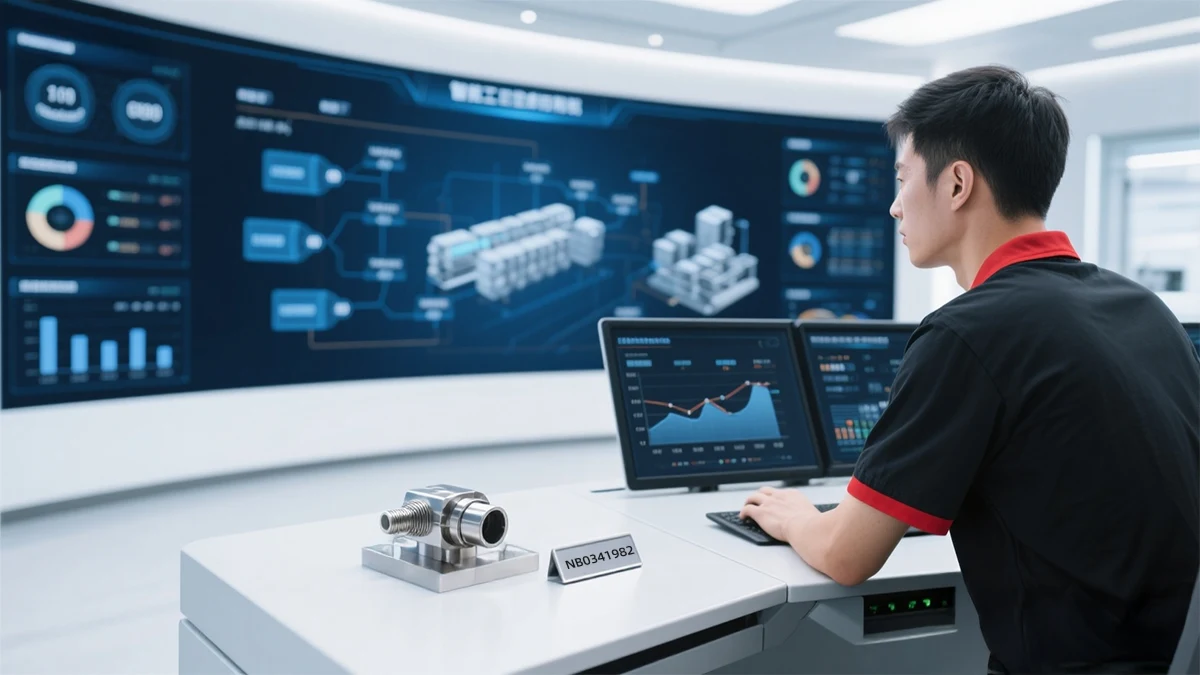
1) Implement Lean Manufacturing Principles
Lean manufacturing focuses on reducing waste while maintaining product quality. This approach helps companies cut costs and improve efficiency across production processes.
The method identifies eight types of waste in manufacturing. These include excess inventory, overproduction, waiting time, unnecessary motion, defects, overprocessing, underused talent, and excess transportation. By addressing these areas, manufacturers can streamline operations.
Companies start by analyzing their current production methods. They map out each step to find where waste occurs. This assessment reveals which processes add value and which ones drain resources without benefit.
Small changes often produce significant results. Manufacturers can reorganize workspaces to reduce unnecessary movement. They can adjust schedules to prevent overproduction. Quality checks can be moved earlier in the process to catch defects sooner.
The system requires ongoing attention. Teams need to regularly review processes and look for new ways to eliminate waste. This continuous improvement approach keeps production methods efficient as conditions change.
Training workers on lean principles helps the entire organization adopt these practices. When everyone understands the goals, they can identify waste in their own work areas and suggest improvements.
2) Adopt Six Sigma Methodologies
Six Sigma is a data-driven approach that helps manufacturers improve product quality by reducing defects and variation. It uses statistical tools to find and fix problems in production processes.
The method focuses on achieving near-perfect results. This means producing only 3.4 defects per million opportunities.
Manufacturers use the DMAIC framework to implement Six Sigma. This stands for Define, Measure, Analyze, Improve, and Control. Each step provides a clear path for identifying issues and making lasting changes.
Companies that use Six Sigma see real improvements in their products. They experience fewer defects, more consistent quality, and better efficiency. The approach works because it relies on actual data instead of guesses.
Six Sigma teams constantly look for ways to make things better. They prioritize which areas need attention first. Once they fix one problem, they move to the next.
This method works well in many industries. Manufacturers can apply it to any process that needs improvement. The structured approach gives teams the tools they need to solve problems and maintain high standards.
3) Integrate IoT for Real-Time Monitoring
IoT sensors enable manufacturers to track production processes as they happen. These connected devices collect data from machinery, materials, and products throughout the manufacturing cycle. The information flows to central systems where teams can analyze performance instantly.
Real-time monitoring helps identify problems before they become serious. Sensors detect when equipment operates outside normal parameters or when product quality starts to decline. This allows manufacturers to make quick adjustments and maintain consistent output.
IoT systems improve inventory management by tracking materials and finished goods as they move through facilities. Manufacturers know exactly what materials they have, where products are located, and when supplies need replenishment. This reduces waste and ensures materials arrive when needed.
The technology supports predictive maintenance by monitoring equipment health continuously. Sensors track vibration, temperature, and other indicators that signal potential failures. Maintenance teams can then service machines before breakdowns occur, which reduces costly downtime.
IoT integration requires careful planning. Manufacturers must select appropriate sensors, establish reliable data networks, and train staff to interpret the information. The initial investment pays off through improved efficiency and better product quality.
4) Add Custom Nameplates for Branding and Compliance
Custom nameplates serve as permanent identification markers on manufactured products. They display critical information like model numbers, serial data, safety ratings, and manufacturer details. These markers help companies meet regulatory requirements while strengthening their brand presence.
Manufacturers can choose from various materials including aluminum, stainless steel, brass, and polycarbonate. Each material offers different benefits for specific environments and applications. Name plates for equipment need to withstand harsh conditions like extreme temperatures, chemicals, and physical wear.
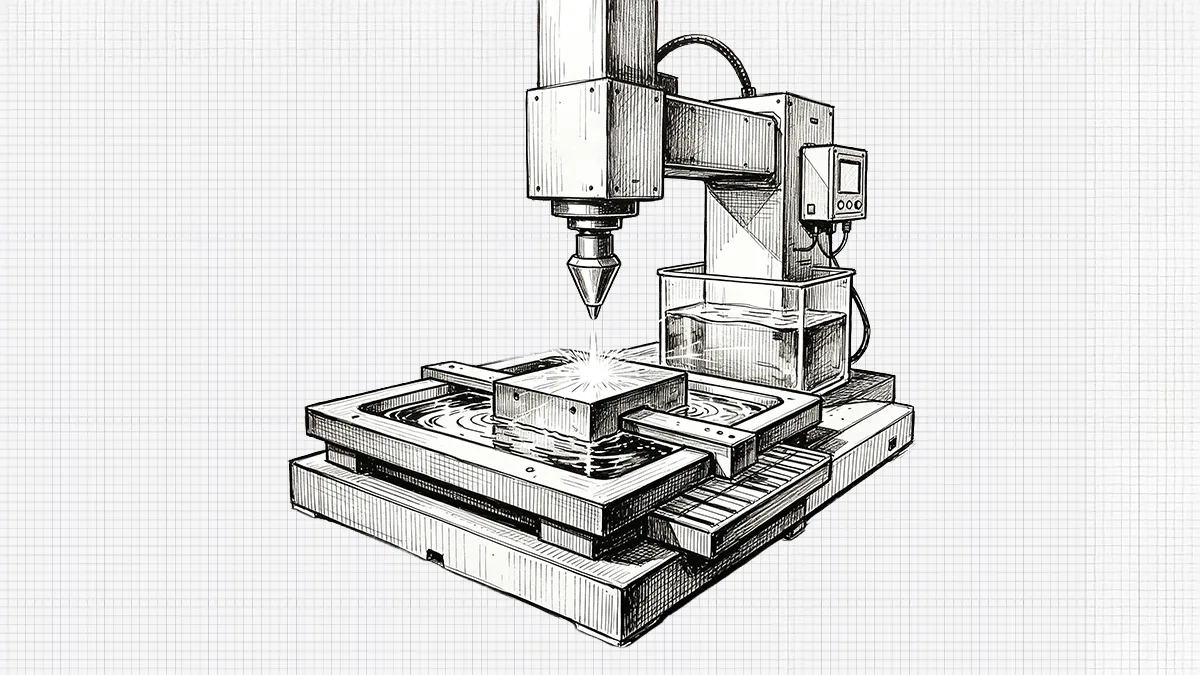
Production methods include laser etching, chemical etching, screen printing, and anodizing. These processes create durable markings that remain legible throughout the product’s life. The choice of method depends on the required durability, production volume, and budget.
Custom nameplates provide several advantages for manufacturers. They ensure compliance with industry standards and safety regulations. They also improve asset tracking and inventory management. Professional nameplates give products a finished appearance that reflects quality and attention to detail.
Companies can pre-kit their labels to maintain consistency across product lines. This approach streamlines production and ensures all items meet branding and compliance standards before leaving the facility.
5) Incorporate Predictive Maintenance
Predictive maintenance uses real-time data and artificial intelligence to forecast when equipment might fail. This approach allows manufacturers to fix problems before they cause unplanned downtime. Sensors collect information from machines during operation, and software analyzes patterns to identify potential issues.
This maintenance strategy differs from traditional scheduled maintenance. Instead of replacing parts based on time intervals, manufacturers service equipment only when data indicates a need. This reduces unnecessary maintenance tasks and cuts operational costs.
The technology relies on IoT sensors and machine learning algorithms to monitor equipment health. These systems track factors like vibration, temperature, and performance metrics. When the data shows abnormal patterns, the system alerts maintenance teams to take action.
Manufacturers benefit from reduced downtime and extended equipment lifespan. Products maintain consistent quality because machines operate within optimal parameters. Early detection of issues prevents defects that could occur from failing equipment.
Implementation requires connecting machinery to monitoring systems and training staff to interpret data. The initial investment pays off through fewer production interruptions and lower repair costs over time.
Key Factors Influencing Product Enhancement
Product enhancement relies on three core elements that directly impact manufacturing quality and market success. Materials, design choices, and production technology each play distinct roles in determining how well a product meets customer needs and stands up to competition.
Material Innovation
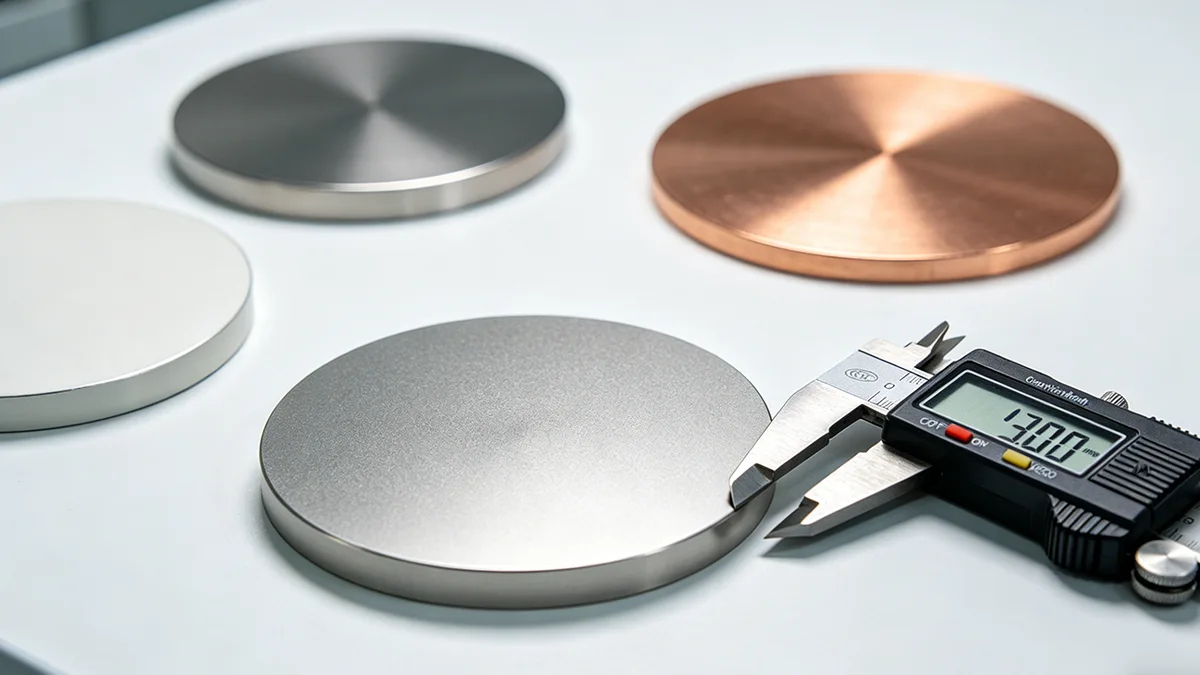
New materials offer manufacturers ways to improve product performance, reduce costs, and meet environmental standards. Advanced polymers can replace heavier metals in automotive parts, cutting weight by 30-40% while maintaining structural integrity. Composite materials combine the best properties of multiple substances, creating products that are stronger, lighter, or more resistant to wear.
Material selection affects multiple product characteristics at once. A smartphone case made from carbon fiber provides better drop protection than traditional plastics while adding minimal weight. Manufacturing facilities can also reduce waste by choosing materials that are easier to process or recycle.
Smart materials respond to environmental changes without external controls. Memory foam adjusts to body temperature and pressure. Self-healing polymers repair minor scratches automatically. These innovations extend product lifespan and reduce maintenance requirements.
Cost considerations remain important when evaluating new materials. Some advanced options require expensive processing equipment or specialized handling. Manufacturers must balance performance gains against production expenses and market price points.
Design Optimization
Product design directly determines manufacturing efficiency, user experience, and production costs. Simplifying component counts reduces assembly time and potential failure points. A product with 50 parts instead of 100 cuts manufacturing complexity in half.
Key design factors include:
- Ergonomics and user comfort
- Ease of assembly and maintenance
- Standardized components across product lines
- Durability under expected use conditions
Design for manufacturing (DFM) principles help teams create products that are easier to produce. Rounded corners instead of sharp angles reduce tool wear. Symmetrical parts prevent assembly errors. These choices lower production costs without compromising function.
Digital tools let designers test multiple configurations before building prototypes. Computer simulations reveal stress points, thermal issues, and potential defects. This speeds up development cycles and reduces the need for physical testing.
Advanced Manufacturing Technologies
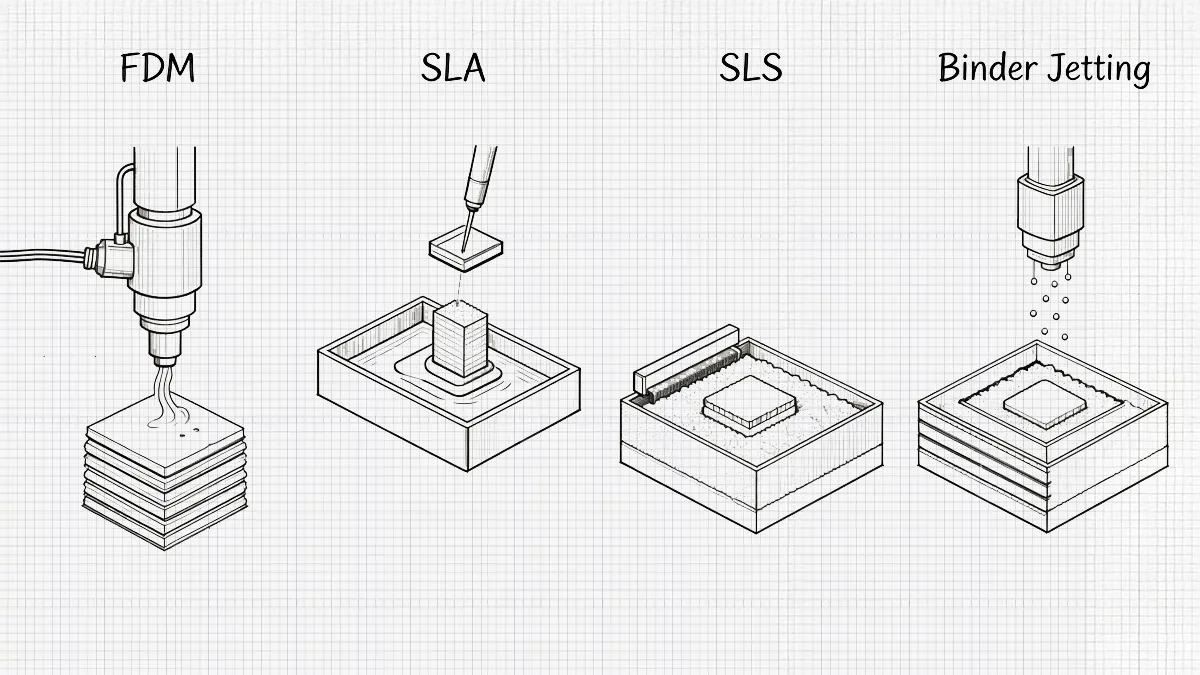
Modern production methods give manufacturers new capabilities for precision, speed, and customization. Additive manufacturing builds complex geometries that traditional machining cannot create. Medical device makers use 3D printing to produce patient-specific implants that fit perfectly.
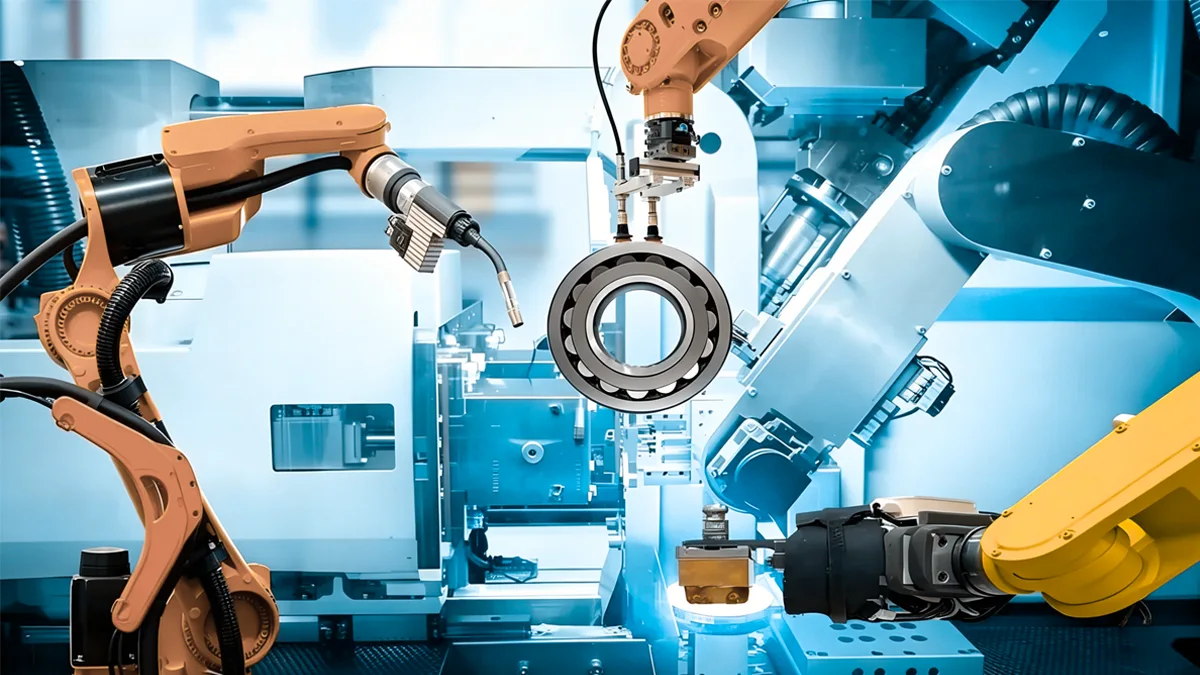
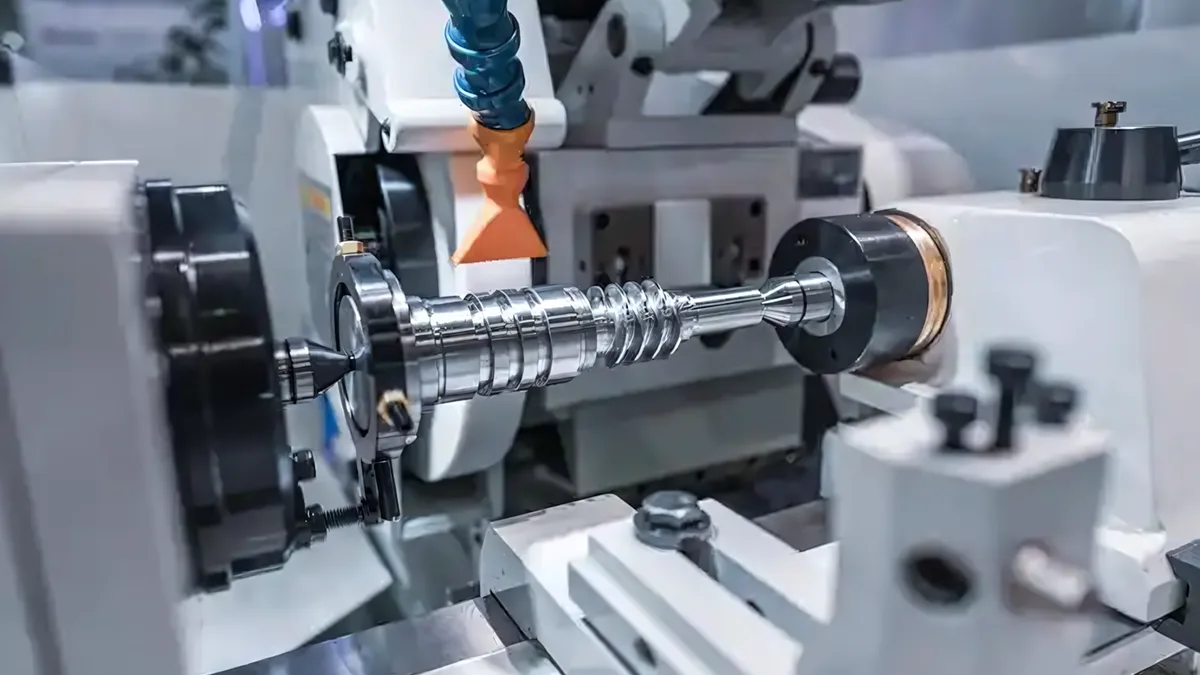
Automation improves consistency and reduces human error. Robotic welding creates stronger joints with less material waste. Computer numerical control (CNC) machines hold tolerances within thousandths of an inch. These technologies produce uniform quality across thousands of units.
Benefits of advanced manufacturing include:
- Higher precision and repeatability
- Faster production cycles
- Reduced material waste
- Greater design flexibility
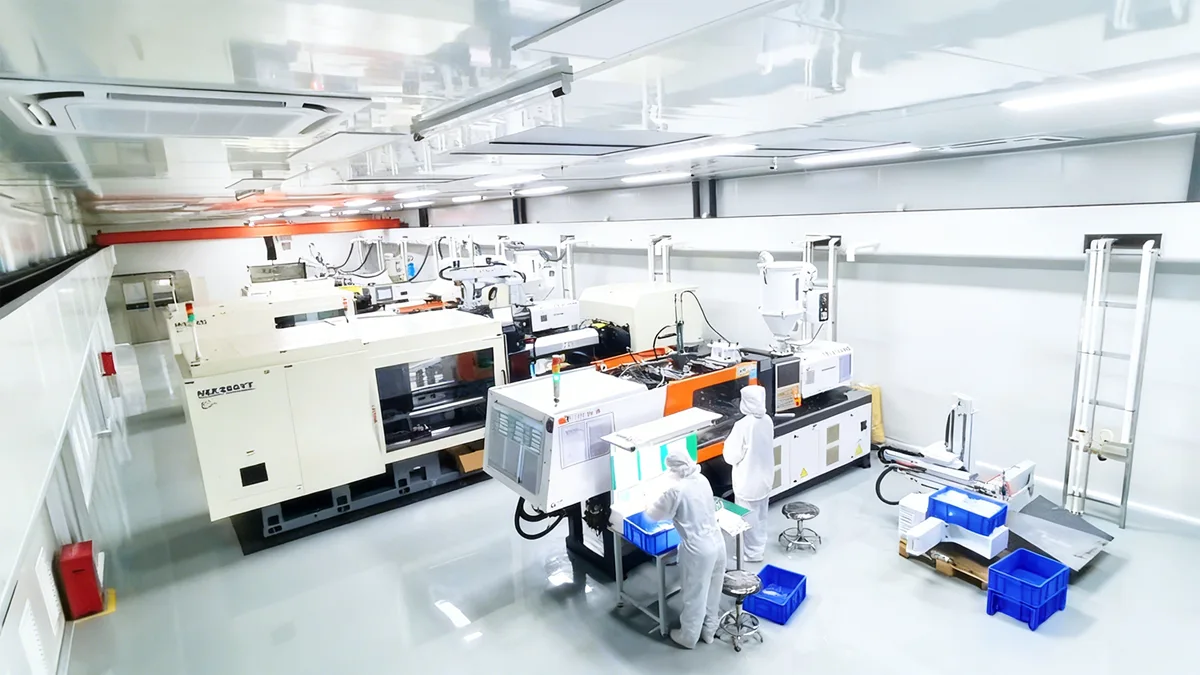
Sensor networks and data analytics identify quality issues in real time. A sudden temperature change in injection molding gets flagged immediately, preventing defective batches. Machine learning algorithms predict when equipment needs maintenance before failures occur.
Quality Assurance in Enhanced Manufactured Products
Quality assurance prevents defects and maintains consistent standards throughout the production cycle. Manufacturers use testing protocols, compliance frameworks, and improvement methods to deliver reliable products that meet customer expectations.
Testing and Validation Processes
Testing and validation verify that enhanced products function as intended before reaching customers. Manufacturers conduct multiple test types at different production stages to catch problems early.
Common testing methods include:
- Functional testing – Confirms the product performs its intended purpose
- Durability testing – Measures how long the product lasts under normal use
- Safety testing – Ensures the product meets safety requirements
- Performance testing – Evaluates speed, efficiency, and reliability
Validation goes beyond basic testing by confirming the entire manufacturing process produces consistent results. This includes checking raw materials, monitoring production conditions, and inspecting finished goods. Many manufacturers test sample batches at regular intervals to identify variations before they become widespread issues.
Digital tools now automate much of the testing process. Sensors and software track measurements in real-time and flag products that fall outside acceptable ranges.
Standards Compliance
Products must meet industry standards and regulations to enter the market legally. These standards cover safety requirements, environmental impact, and performance benchmarks specific to each industry.
Manufacturers reference standards from organizations like ISO, ASTM, and industry-specific bodies. Compliance requires documentation that proves products meet each requirement. This documentation includes test results, material certifications, and process records.
Regular audits verify ongoing compliance throughout production. Internal teams or external auditors check that procedures match documented standards and that workers follow established protocols. Non-compliance can result in recalls, fines, or legal liability.
Some markets require third-party certification before products can be sold. These certifications demonstrate independent verification of quality and safety standards.
Continuous Improvement Strategies
Manufacturers track quality metrics to identify patterns and improvement opportunities. Key metrics include defect rates, customer complaints, and production efficiency scores.
Teams analyze this data to find root causes of quality issues. They use methods like statistical process control to spot trends before problems escalate. When issues arise, corrective actions address the immediate problem while preventive actions stop it from happening again.
Employee training plays a vital role in maintaining quality standards. Workers learn proper techniques and understand how their actions affect product quality. Regular training updates ensure teams stay current with new procedures and technologies.
Feedback loops connect different stages of production. Information from final inspections flows back to earlier steps, allowing adjustments that prevent future defects. Customer feedback also informs quality improvements by highlighting real-world performance issues.





 EN
EN  ES
ES  FR
FR  DE
DE  IT
IT  PT
PT  NL
NL  PL
PL  AR
AR  JA
JA  KO
KO  ZH
ZH