
Home / PP Injection Molding
PP Injection Molding
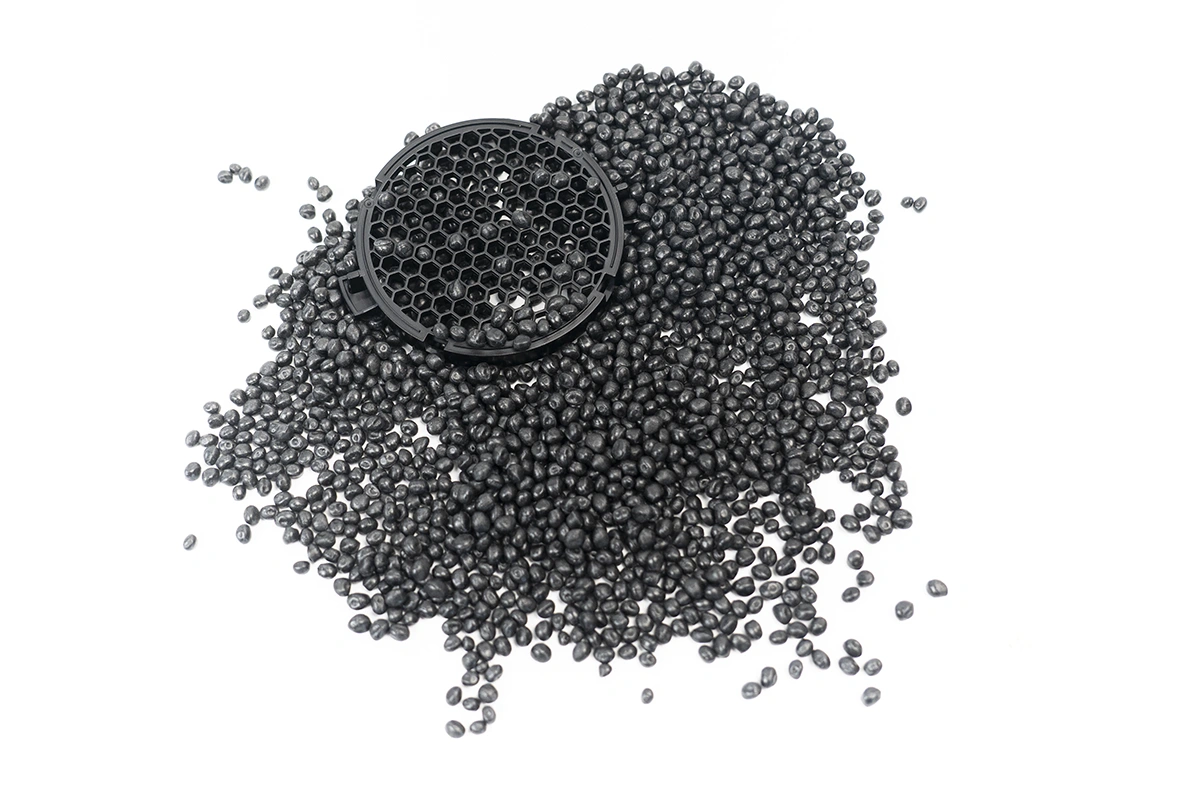
Polypropylene (PP) is the second most widely produced thermoplastic globally by volume. In modern industry, PP injection molding has become a mature technology, used to manufacture parts for automotive, home appliances, daily necessities, packaging, industrial, and other sectors.
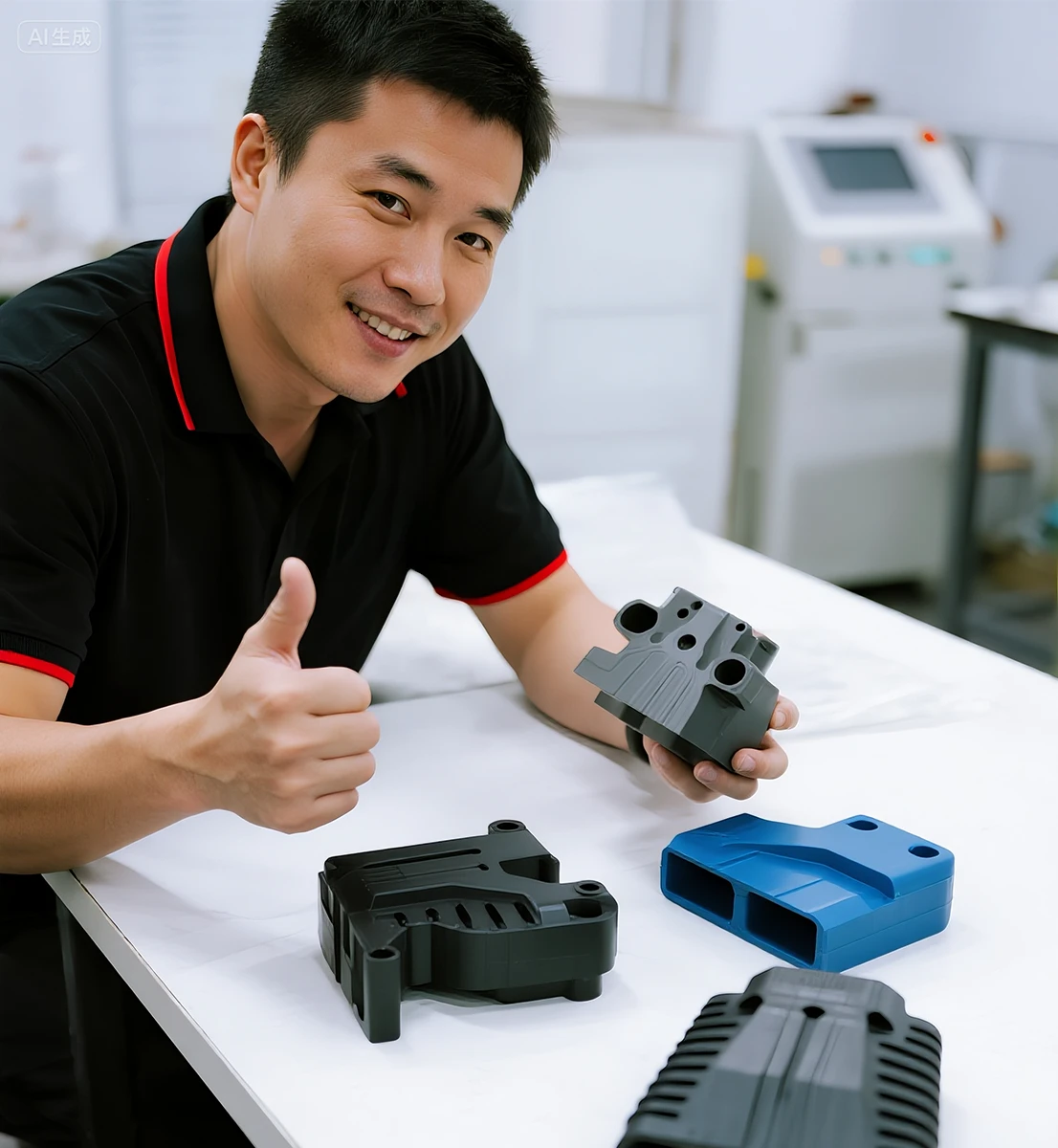
First Mold brings over 13 years of expertise in precision PP manufacturing, having served over 300 customers worldwide and delivered more than 10,000 batches of PP injection molded parts. Through the experience accumulated across countless projects, we have summarized best practices for PP parts production, spanning material science, process optimization, and precision injection molding techniques.
Why Choose PP Injection Molding?
Compared to ABS and PA materials, PP has a unique combination of properties and cost structure that makes it particularly suitable for parts that require repeated bending, exposure to chemical media, or strict cost control.
| Advantageous Features | Technical Explanation | Typical Application Scenarios |
|---|---|---|
| Low Cost & High Cost-Effectiveness | The raw material price is only 1/3 of engineering plastics. The density of 0.9g/cm³ reduces part weight cost. |
Daily necessities casings, industrial containers |
| Champion in Fatigue Resistance | PP Can withstand >10 million bending cycles (e.g., for living hinge designs) | Toolbox latches, medical packaging lids |
| Excellent Chemical Resistance | PP is resistant to pH 2-12 acid-base environments, and immune to erosion from alcohols/greases | Laboratory instruments, automotive fluid components |
| Superior Moisture Resistance | 24-hour water absorption rate <0.01%. The dimensional stability in humid environments far exceeds nylon. |
Outdoor electronic enclosures, bathroom parts |
| High Electrical Insulation | Volume resistivity >10¹⁶ Ω·cm. Dielectric strength 50kV/mm. | Circuit breaker housings, cable insulation components |
| Self-Lubricating & Low Friction | Its coefficient of friction 0.1-0.3, reducing demolding resistance and wear | Gears, slide rail assemblies |
Tips: Learn more about PP Plastic
Engineering-Grade Polypropylene For Injection Molding

Homopolymer PP
Pure propylene monomers (Crystallinity 60-70%)
- High rigidity (Flexural modulus 1,800 MPa)
- Superior heat resistance (HDT 110℃ @0.45MPa)
- Lowest material cost ($1.1-1.3/kg)
Applications:

Random Copolymer PP
3-7% ethylene monomers disrupt crystallization
- Enhanced clarity (Haze <15%, comparable to PS)
- Improved low-temp toughness (-20℃ impact 5kJ/m²)
- Reduced extractables (USP Class VI certified)
Applications:

Block Copolymer PP
Ethylene blocks create rubber phase (10-15%)
- Ultra-high impact resistance (Notched Izod >30kJ/m²)
- Stress-whitening resistance (2M+ flex cycles)
Applications:
Bumpers | Toolboxes | Child seat latches
Engineered PP Compounds | Modified PP
Glass Fiber Reinforced PP (GFPP)
| Fiber Content | Tensile Strength | HDT (°C) | Shrinkage | Primary Applications |
|---|---|---|---|---|
| 10% | 45 MPa | 145 | 0.8% | Cooling fan blades |
| 20% | 60 MPa | 152 | 0.7% | Automotive brackets |
| 30% | 80 MPa | 160 | 0.6% | Power tool housings |
| 40% | 95 MPa | 165 | 0.5% | Drone structural parts |
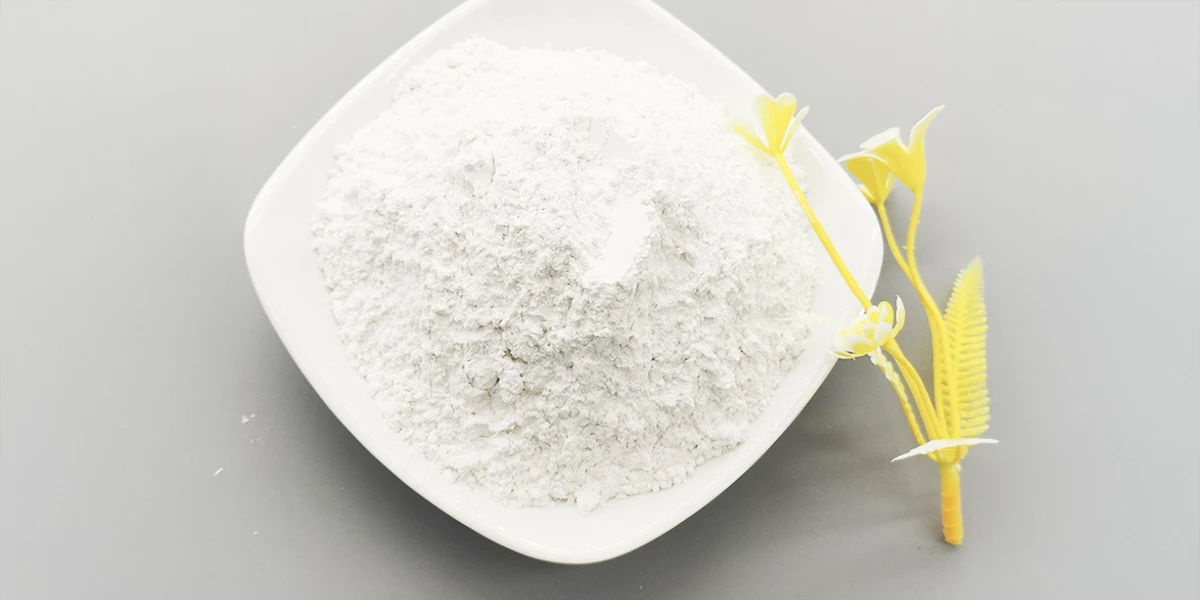
Mineral-Filled PP (Talc/CaCO₃)
Talc-modified (20-40%)
- Dimensional stability ↑200%
- Surface hardness ↑ (Rockwell R110)
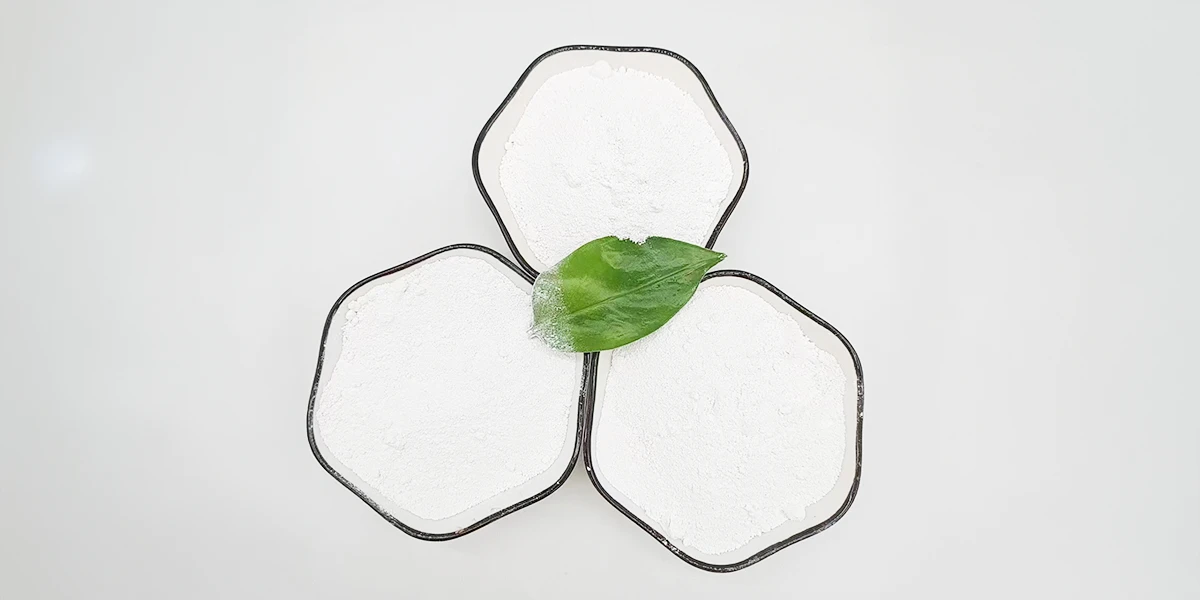
CaCO₃-modified (15-30%)
- Cost reduction 8-12%
- Improved release (COF ↓30%)
Specialty Compounds for Extreme Service
Flame-Retardant PP (UL94 V-0)
When to Choose?
Static-Dissipative PP (10⁶-10⁹Ω)
When to Choose?
Food-Grade PP (FDA 21 CFR compliant)
When to Choose?
PP Injection Molding Workflow
Like most plastics injection molding processes, PP injection molding is divided into six steps. Belows are the production parameters used in each step of the First Mold.
01. Clamping
The mold is closed with a clamping force of more than 500 tons (calculated on the basis of the projected area).
02. Plasticization
PP pellets are heated to 220-280°C in the screw and melted (the temperature deviation needs to be <±5°C)
03. Injection
The melt is filled into the cavity at a speed of 50-200mm/sec, with a pressure of less than or equal to 180MPa.
04. Dwelling
Hold pressure at 60% of the initial injection pressure for 5-30 seconds to compensate for shrinkage and prevent voids.
05. Cooling
mold constant temperature 20-80 ℃, the formula is: time = wall thickness ² × 1.5 (sec / mm ²)
06. Ejection
The ejector speed should be ≤ 1 m/sec to avoid whitening and deformation during ejection.
Precise Control for 5 Core Parameters of PP Plastic Injection Molding
In First Mold’s 12-year process database, 90% of PP injection molding defects are caused by incorrect parameter settings. The core parameters in the following table need to be dynamically adjusted according to the material type and the complexity of the part structure:
| Parameter | Recommended Range | Risk of Exceeding Range | Recommended Control Standard |
|---|---|---|---|
| Melt Temperature | 220–280℃ | Degradation and yellowing when >290℃ | Infrared monitoring per mold cycle (±2℃) |
| Mold Temperature | 20–80℃ | Extended cycle time at >90℃; increased internal stress at <15℃ | Mold temperature controller with closed-loop control (±1℃) |
| Injection Pressure | 70–180 MPa | Flash/mold expansion when >200 MPa | Segmented pressure curve optimization |
| Injection Speed | Medium-high speed (50–150 mm/s) | Jetting at high speed; weld lines at low speed | Dynamic adjustment based on flow length ratio |
| Drying Process | Generally not required | Energy waste from excessive drying | Automatic raw material moisture detection (<0.1%) |
Tips: This table is based on ISO 294-4 standard and 500+ production cases. The recommended control criteria in this table are based on First Mold’s experience as a PP injection molding factory.
Mold Design Guide For PP Plastic Parts
If there are mistakes in mold design, PP parts may develop issues during injection molding—like ejection scratches, misalignment of glass fiber orientation, or increased warpage. These defects can directly lead to significant cost losses. First Mold recommends that designers follow the principles below:

Wall Thickness, Ribs, and Fillets
Uniform Wall Thickness
Rib Design
- Thickness ≤ 50% of the main wall thickness
- Height ≤ 3 times the wall thickness
- Root fillet ≥ 0.25T (T = wall thickness)
Fillet Radius
- Internal fillet R ≥ 0.5T
- External fillet R ≥ 1.0T (to reduce stress concentration)
Draft Angles and Gating Systems
Draft Angles
- Cosmetic surfaces: ≥ 1°
- Structural surfaces: ≥ 0.5°
Runner Design
- Type: Full circular cross-section (hot runner preferred)
- Size: Diameter 4–8mm (calculated based on part weight)
Gate Type Selection
- Edge gate: Suitable for flat parts (thickness > 1mm)
- Pin gate: First choice for cosmetic parts (auto-trimmed)
- Tunnel gate: For auto-ejection design
Design Specifications for Living Hinges
Optimal Size Ratios
- Hinge thickness: 0.25–0.5mm
- Transition arc radius: ≥ 0.5mm
- Hinge width: ≥ 6 times the thickness
Material Selection
We must use homopolymer PP (MFR > 20g/10min); copolymers are prone to fracture.
PP
PE
PC
PVC
ABS
PA
POM
PBT
PMMA
PEEK

Choose The Right Supplier
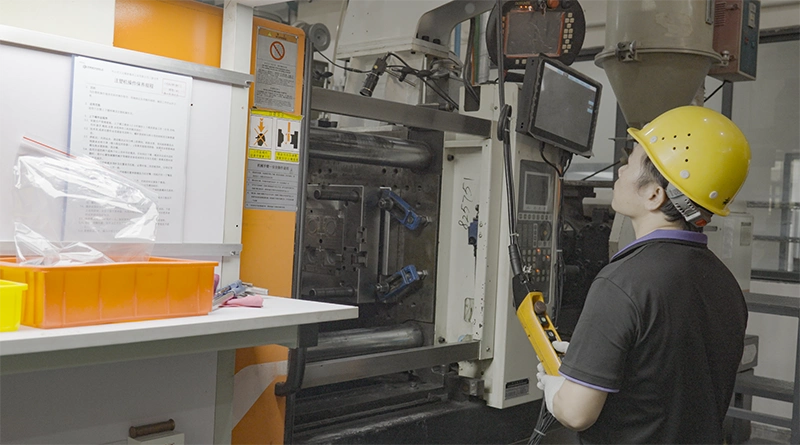
At First Mold, we specialize in harnessing the capabilities of specific modified Polypropylene (PP) materials through our PP injection molding services. By utilizing materials such as glass-filled PP for enhanced structural strength, mineral-filled PP for improved stiffness and thermal properties, and talc-filled PP for increased impact resistance and dimensional stability, we are able to meet the diverse and demanding requirements of all industries.
Applications of Polypropylene Injection Molding
Polypropylene (PP) is widely used thanks to its multifunctional characteristics. In addition to being light in weight, chemically resistant, and very long-wearing, PP can be stretched, molded, and formed into many different shapes.
Automotive & EV
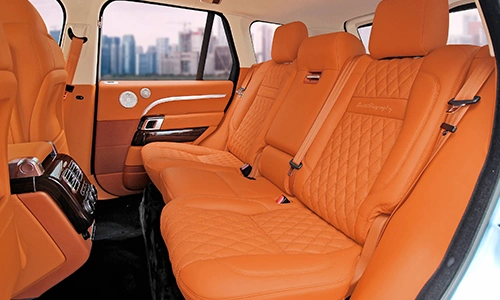
- Bumpers
- Door trim panels
- Battery casings
- Air intake manifolds
- Fan shrouds
- Cup holders
- Gear knobs
Medical Devices
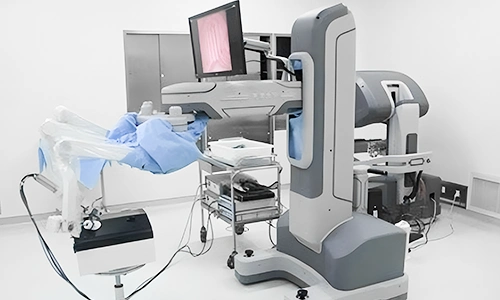
- Surgical instruments
- Syringe components
- Laboratory containers
- Respiratory masks
- Disposable forceps
- Diagnostic devices
- Inhalers
Sports and Leisure

- Bicycle helmets
- Camping equipment
- Exercise equipment components
- Swimming goggles
- Golf cart dashboards
- Kayak components
- Fishing tackle boxes
Agriculture Machinery

- Irrigation components
- Fertilizer spreaders housing
- Watering system components
- Protective covers and guards
- Tool handles and grips
- Conveyor components
- Machine interfaces
Of course, the application of PP material injection molding extends far beyond this, with First Mold’s richest experience in injection molding of PP materials in the automotive, medical, and equipment casing areas
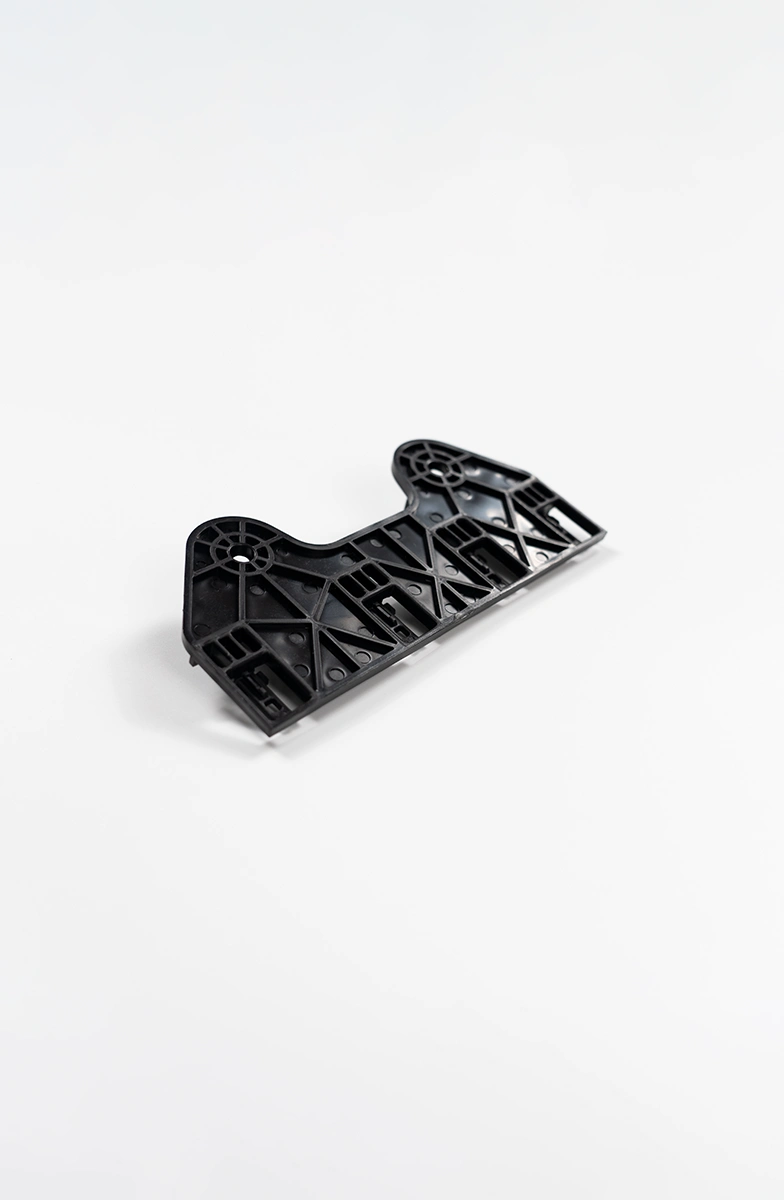
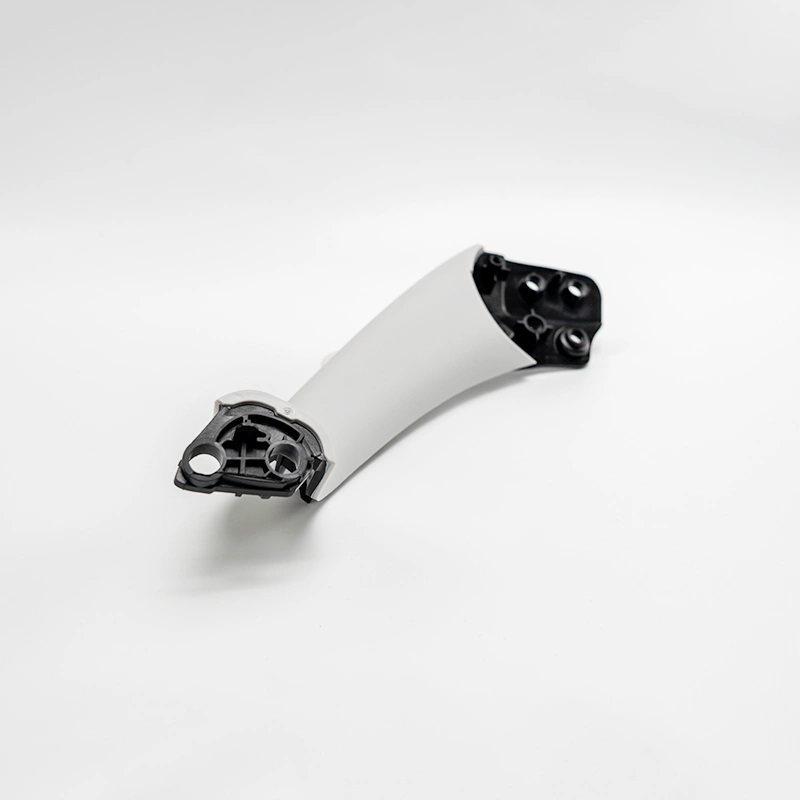
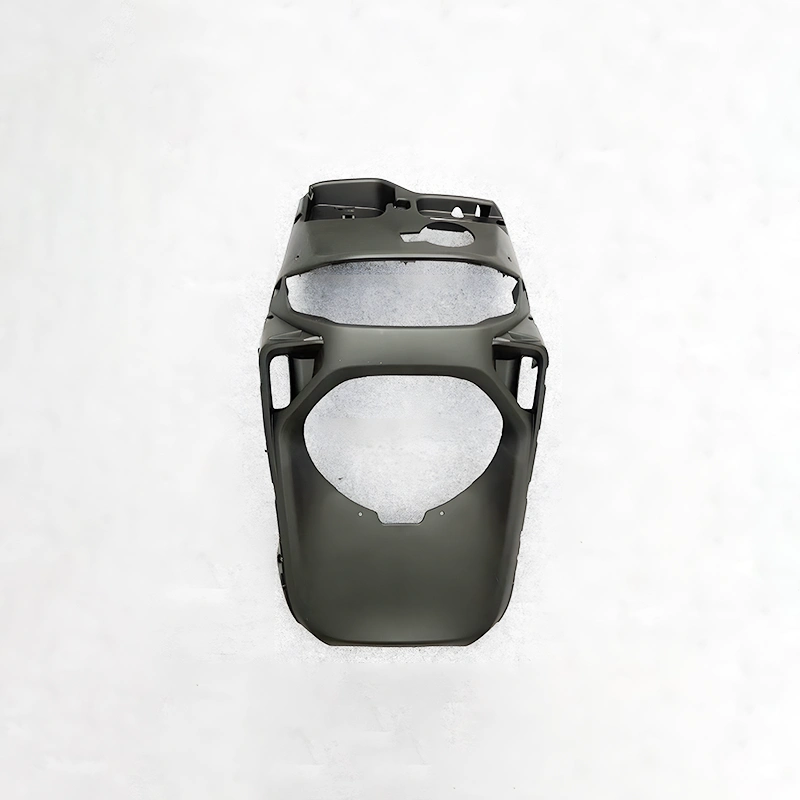
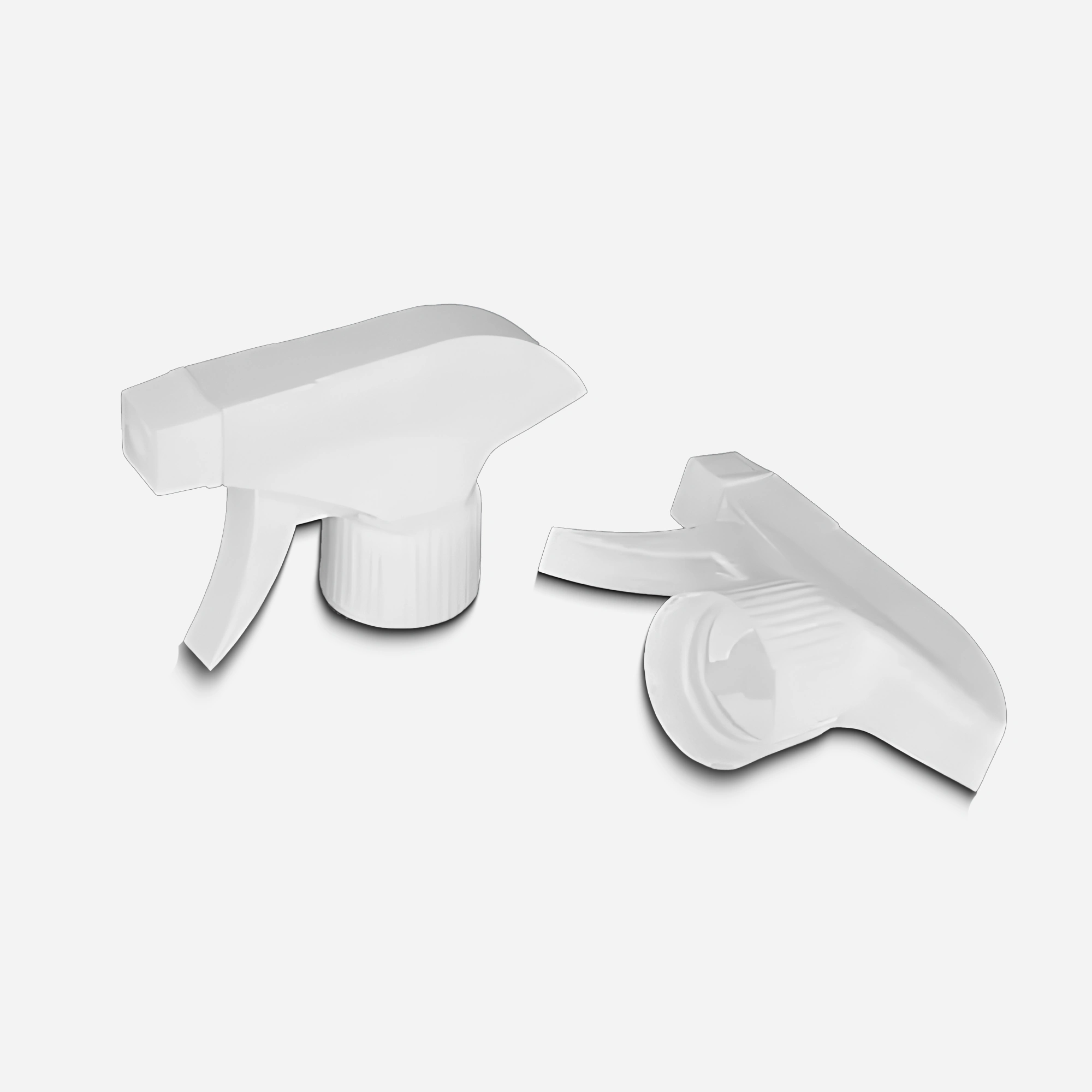
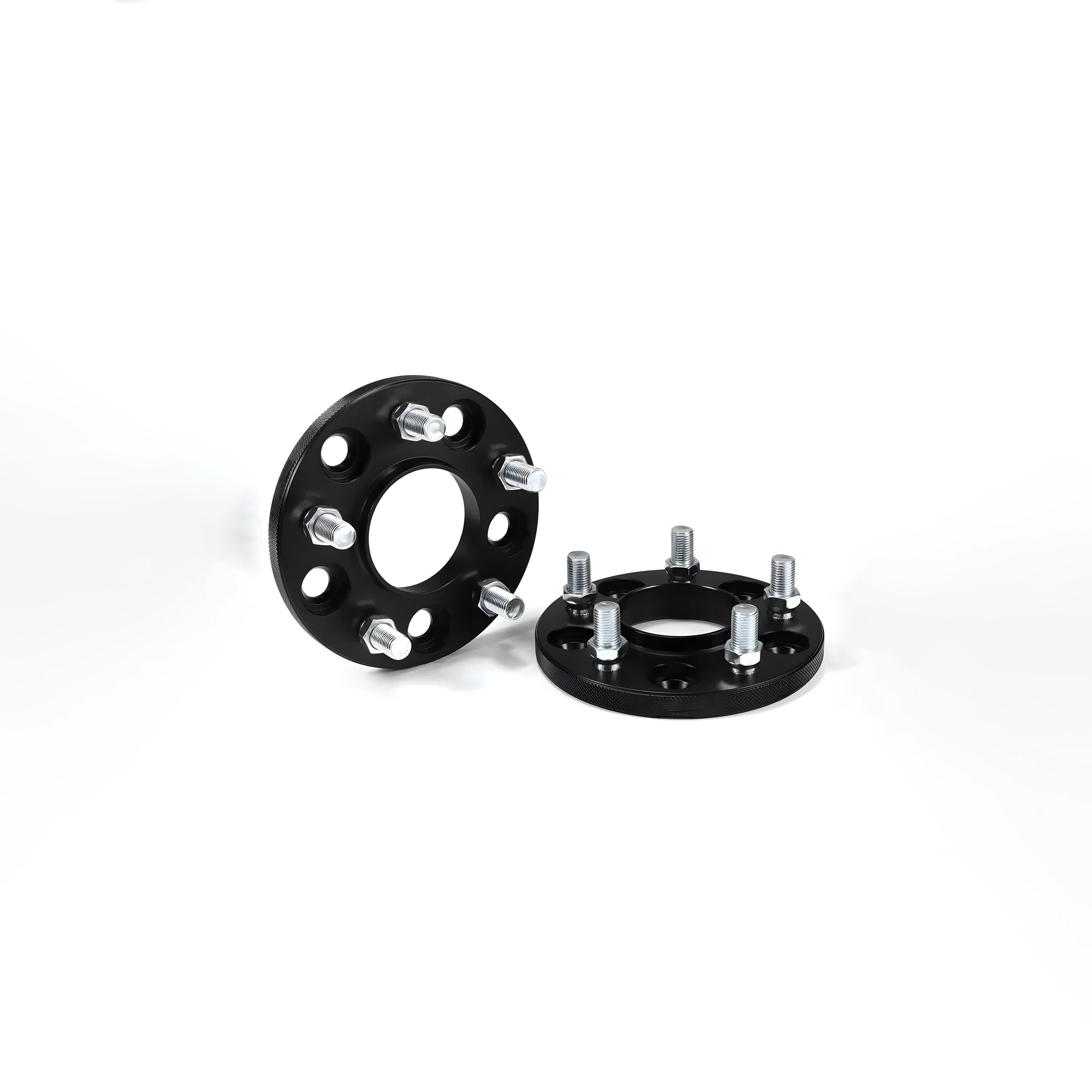
PP Injection Molding Cases
This case shows a seemingly simple but not easy to complete the mold design and molding production of automotive sunroof rail parts.
PP Injection Molding FAQ

Can I mold small batches (<100 pieces) cost-effectively?
Absolutely. With aluminum tooling and quick-change systems, we produce batches from 50 pieces at $1.2/part—40% cheaper than SLS 3D printing.
How do I prevent UV damage for outdoor PP parts?
Use HALS stabilizers in material, keep mold temps ≤60°C, and apply UV-resistant coatings—tested for 2,000+ QUV hours.
Who handles final device certification—First Mold or the client?
Excess β-crystals form at mold temps >80°C. Our pulsed cooling tech limits β-content below 15% for clarity.
How to avoid cracks in metal-insert PP molding?
Preheat inserts to 110±5°C, maintain PP thickness ≥1.5× insert diameter, and apply 120% standard packing pressure.
Why do living hinges pass tests but fail in production?
Mold wear thickens hinge areas beyond 0.5mm. We monitor thickness every 5,000 shots (±0.01mm) and use wear-resistant tool steel.
What certifications are needed for food-grade PP?
First Mold achieves Ra ≤0.18μm on PEEK spacers via:
-
Diamond-tool CNC machining (ASTM F2026)
-
Post-process electropolishing (per ASTM B912)
-
Validation per ISO 13485:2016 Clause 7.5.6.
Why do PP parts warp after 6 months in storage?
PP undergoes 0.3% post-shrinkage. We compensate with 80°C/2hr annealing and design-in 0.2% shrinkage allowance.
How to eliminate bubbles in clear PP parts?
Dry resin at 80°C (though PP isn’t hygroscopic), use melt decompression, and raise mold temps to 70-80°C to slow cooling.



 EN
EN  ES
ES  FR
FR  DE
DE  IT
IT  PT
PT  NL
NL  PL
PL  AR
AR  JA
JA  KO
KO  ZH
ZH