
Home / CNC Prototyping Service
Custom CNC Prototyping Service
First Mold’s CNC prototyping service is a rapid prototyping method that produces parts with accuracy and performance very close to actual production parts.
- No Minimum Order Quantity
- ±0.005mm Tight Tolerances
- Efficient for both small and large parts
Functional CNC Applications & Cases
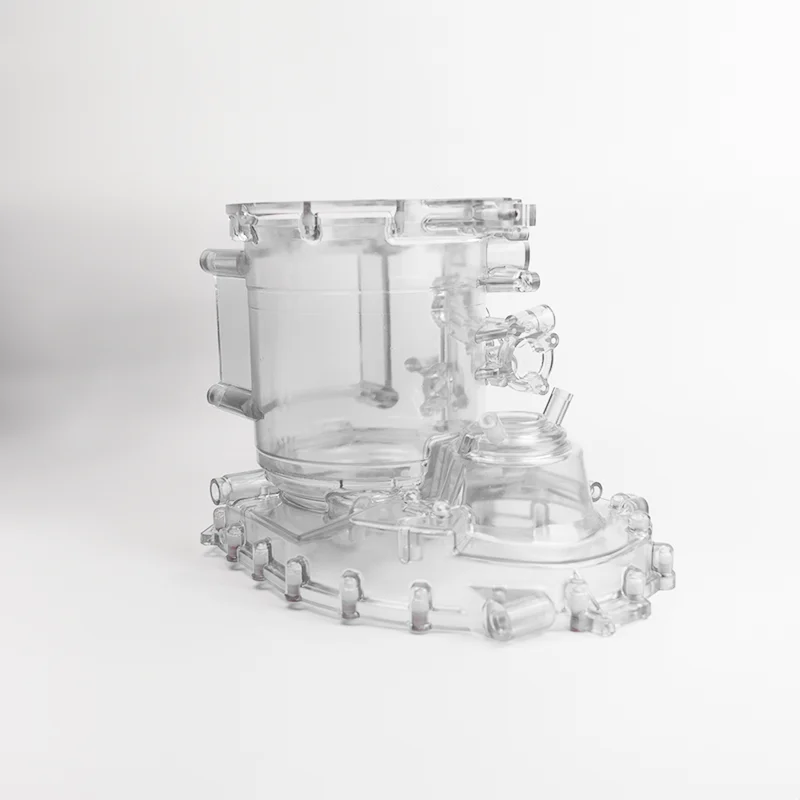
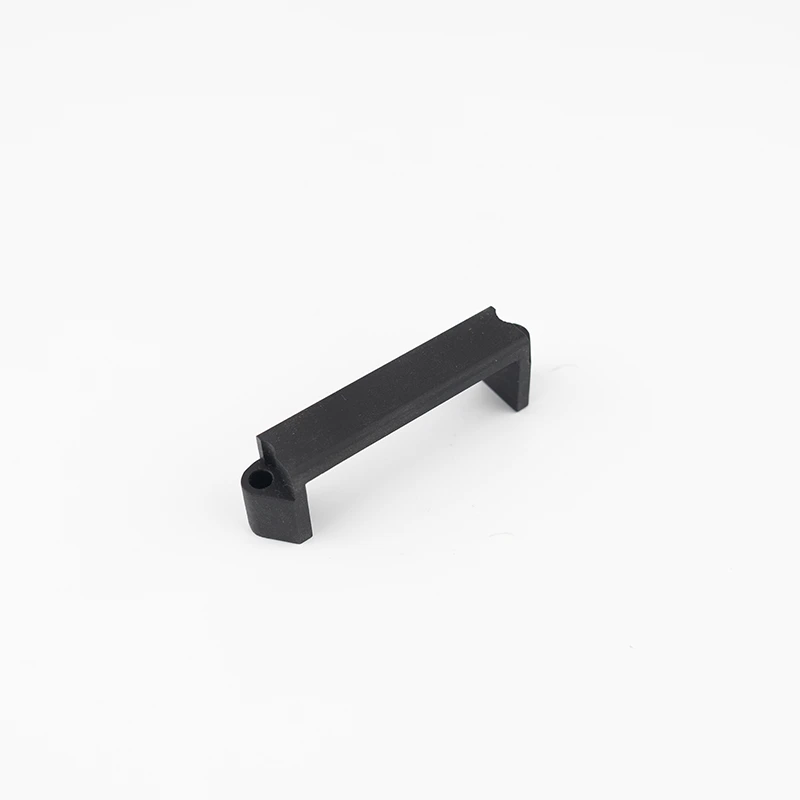
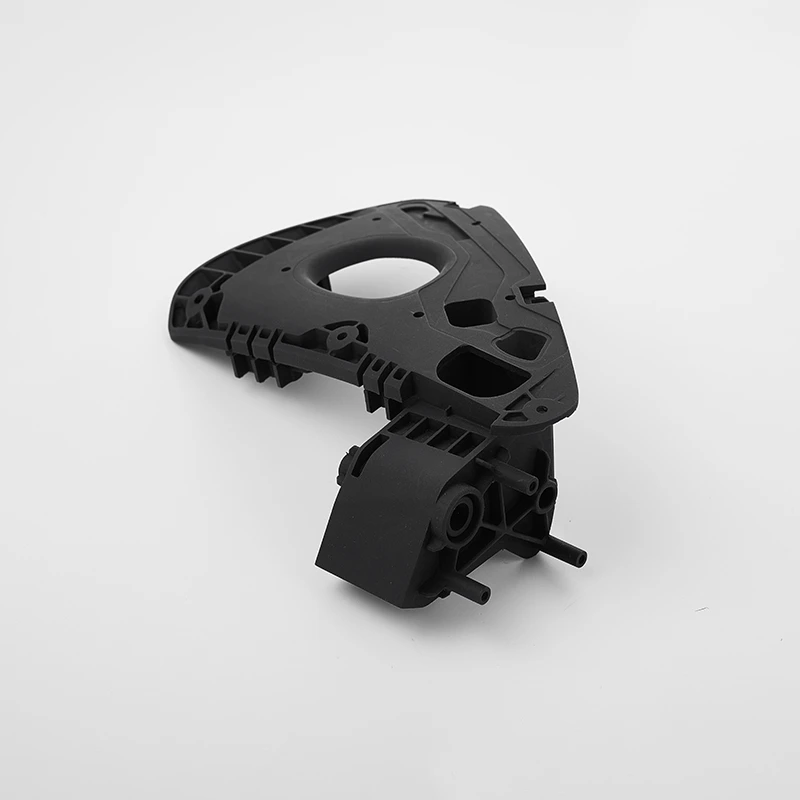
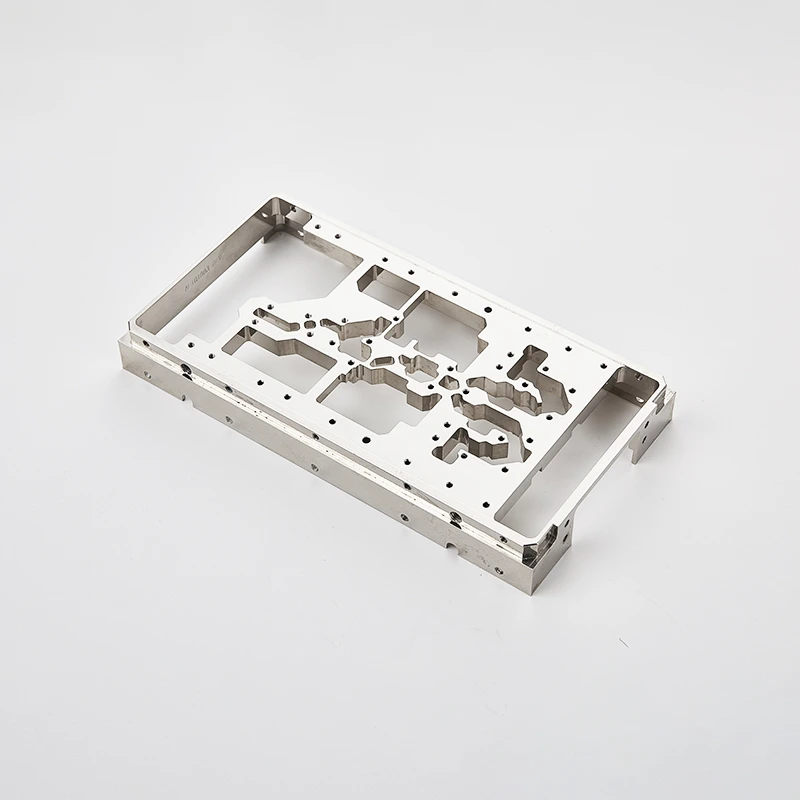
CNC prototypes are used for various types of validation on your products, such as material validation, functional validation, assembly validation, tolerance validation, appearance validation, and tactile validation.
CNC Prototyping Gallery Across Diverse Industries
Over the past five years, about 31.5% of First Mold’s CNC prototype services went to the new energy vehicle industry, 24.1% to consumer electronics, 12.9% to industrial equipment and tools, 9.4% to aviation, and 8.9% to the medical industry.
- Delivery within five days
- Multiple confidentiality measures
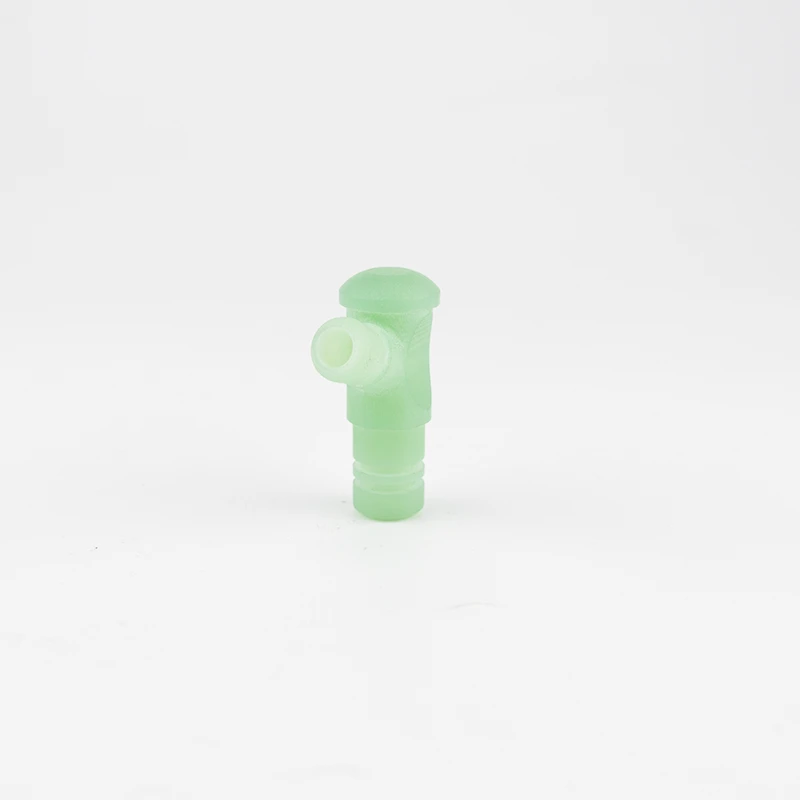
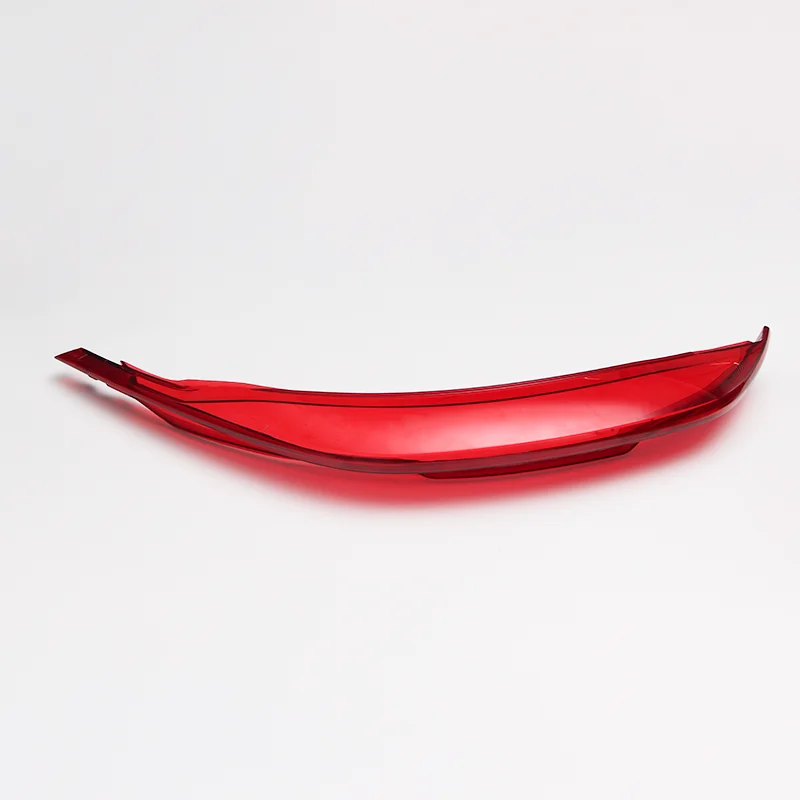
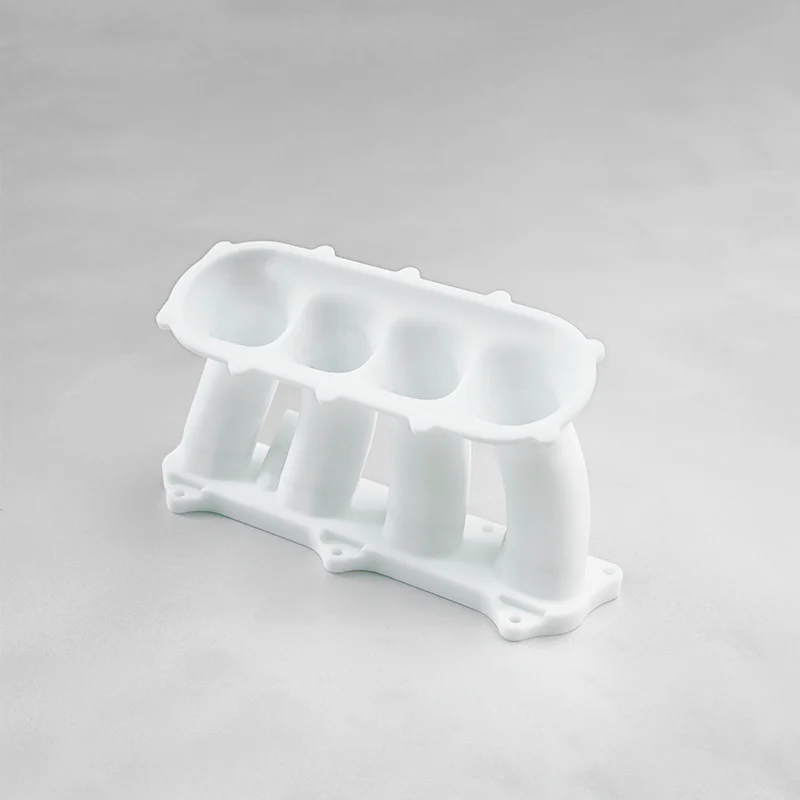
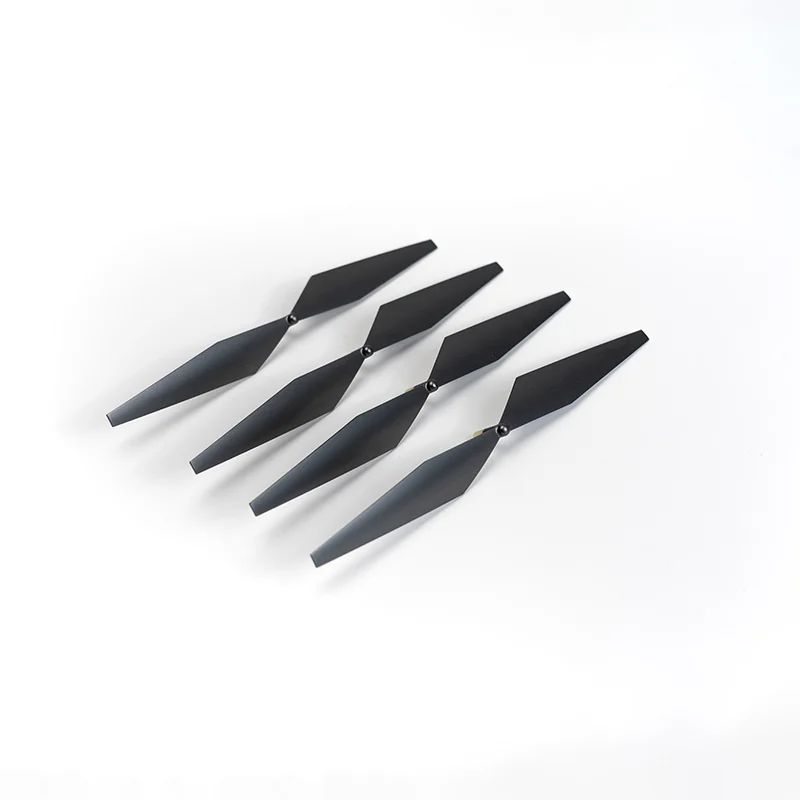
Our Capability of CNC Prototyping
| Item | Specification |
|---|---|
| Prototyping‑Dedicated Mills (5‑Axis Focused) | 15 |
| Prototyping Team Headcount | 25 |
| Monthly Prototype Output | 1,500 units (one‑off & low‑volume batches) |
| Tolerance Standard | ISO‑2768‑M + Custom Precision Tolerance |
| Tightest Prototype Tolerance | ±0.005mm |
| Max Prototype Machining Size | 800mm × 800mm × 1500mm |
| Minimum Machining Dimension | 5mm × 5mm × 5mm |
| Supported Materials | 100+ grades |
| Fastest Rush Delivery | 3‑7 Days |
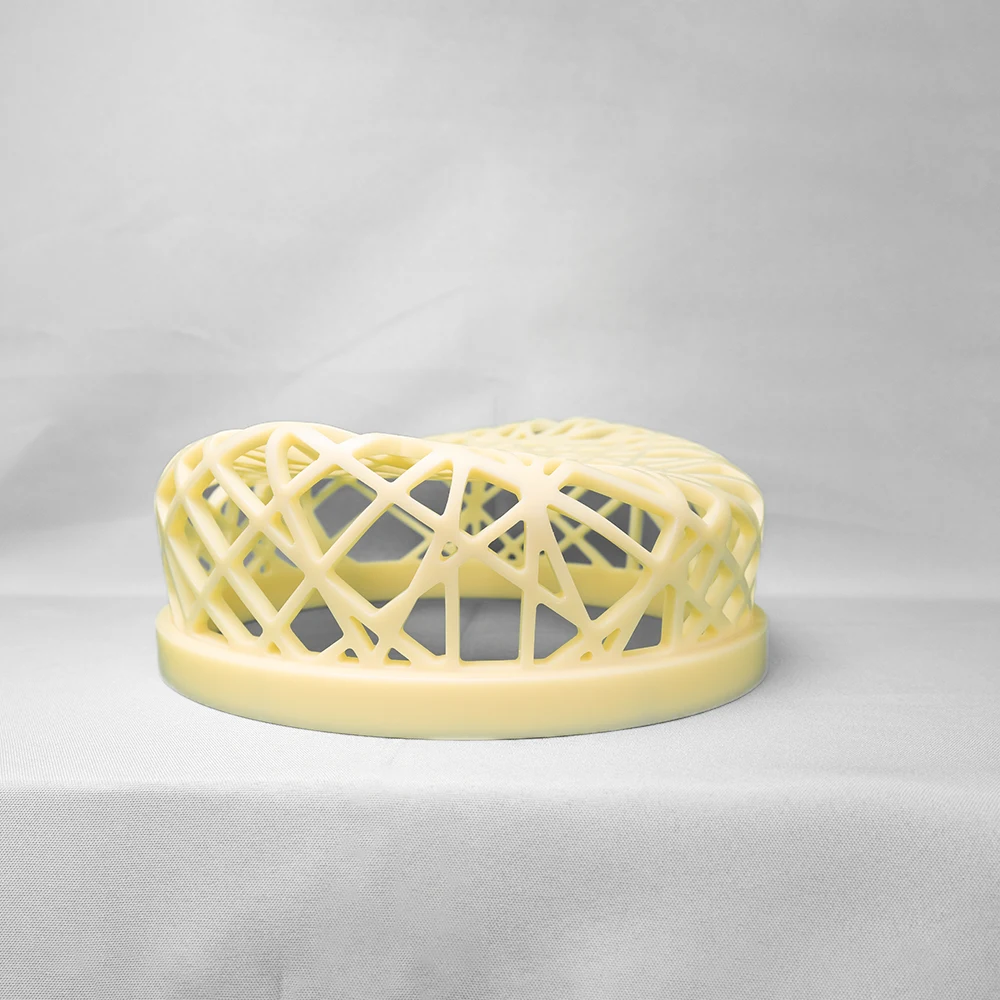
CNC Prototyping Cases

Materials for CNC Prototyping
CNC prototyping is essentially using CNC machining to quickly make prototypes. This means any material that can be CNC machined can also be used for CNC prototyping. If you break it down to specific material grades, there are literally hundreds of them to choose from.
Aluminum 6061
A go-to all-rounder for rapid CNC milling with balanced strength and easy chip formation
Aluminum 7075
An aerospace-grade alloy for when the prototype demands extreme strength-to-weight performance
Aluminum 5052
A corrosion-resistant marine-grade sheet ideal for CNC-formed prototype enclosures
Aluminum 6063
An architectural-finish alloy for CNC prototypes where surface aesthetics take priority
Stainless Steel 304
A versatile food-grade stainless steel for durable CNC prototypes with universal chemical compatibility
Stainless Steel 316
A marine-grade stainless resisting pitting in salt-spray-exposed CNC prototypes
Stainless Steel 301
A high-strength work-hardening stainless ideal for spring-action prototype parts via CNC forming
Brass C360
A free-cutting brass grade that turns effortlessly into precision CNC prototype fittings
Brass C230
A red brass with a warmer tone for CNC prototypes where a decorative finish matters
Copper C110
An electrolytic tough-pitch copper for rapid CNC turning of conductive thermal prototypes
Titanium Ti6Al4V
The high-end workhorse for CNC prototyping ultralight yet super-strong aerospace or medical parts
Steel Alloy 4140
A tough chromium-molybdenum alloy for rapid CNC fabrication of high-stress mechanical prototypes
Carbon Steel A36
A mild structural steel grade for CNC machining low-cost metal validation parts
Carbon Steel 1045
A medium-carbon steel offering harder wear resistance for CNC functional test prototypes
Tool Steel D2
A high-wear tool steel for CNC prototyping durable cutting or forming test fixtures
Magnesium AZ31
An ultralight alloy for rapid CNC prototyping weight-sensitive aerospace or automotive mockups
Zinc Alloy Zamak 3
A dimensionally stable zinc grade for rapid CNC turning of precise mechanical prototypes
Zinc Alloy Zamak 5
A slightly harder zinc alloy ideal for CNC prototyping wear-resistant small components
ABS
A general-purpose prototyping plastic that CNC machines cleanly for durable consumer-product housings
PC
A tough transparent plastic for CNC machined shatter-resistant prototype lenses or guards
PMMA
An optically clear plastic for CNC polishing into glossy display prototype parts
POM
A dimensionally stable slippery material ideal for CNC prototyping low-friction gears and bearings
PA6
A tough wear-resistant nylon for CNC prototyping durable mechanical sliding components
PA66
A higher-strength nylon variant for CNC machining heat-resistant functional test parts
PA6 GF30
A glass-filled nylon that stays rigid under load for CNC machined structural insulators
PP
A lightweight chemical-resistant plastic for CNC prototyping living hinges and tank linings
HDPE
An impact-resistant easy-flow plastic for rapid CNC cutting of budget-friendly large covers
PTFE
An ultra-low-friction fluoropolymer for CNC prototyping non-stick chemically inert seals
PEEK
A high-temperature engineering thermoplastic for CNC prototyping aerospace and medical load parts
Surface Finishing Options for CNC Machined Prototypes
Experience the convenience of First Mold’s one-stop service with our full range of surface finishing options and competitive pricing

As-Machined (Raw)
The surface of the part transitions from rough to smooth and refined. For transparent materials, the clarity increases significantly after polishing.
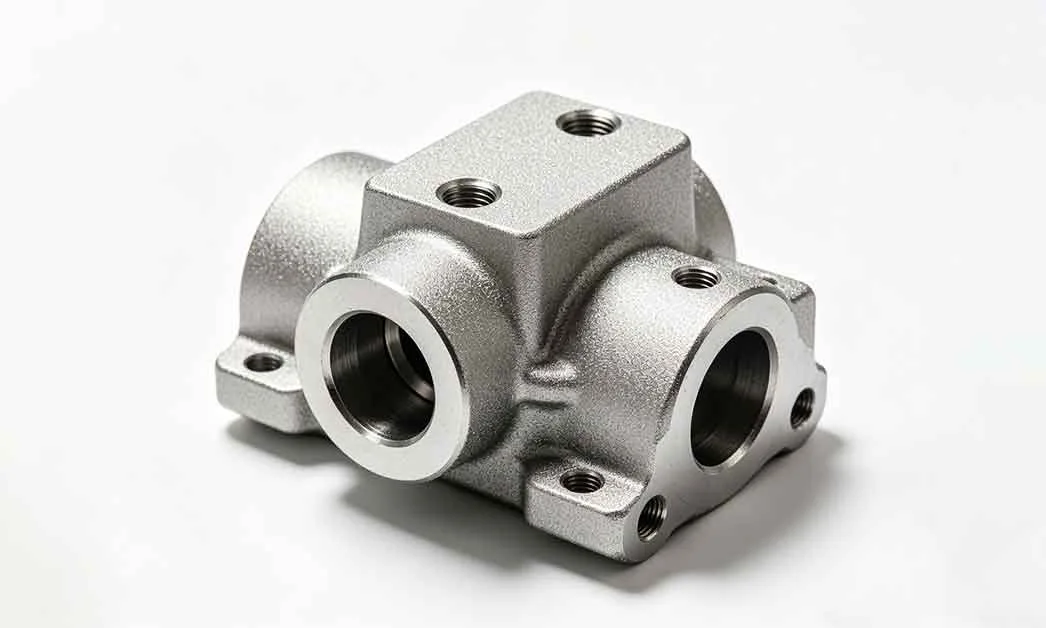
Removes all visible machining marks to give the prototype a smooth, uniform, and non-reflective matte finish with a subtle frosted texture.
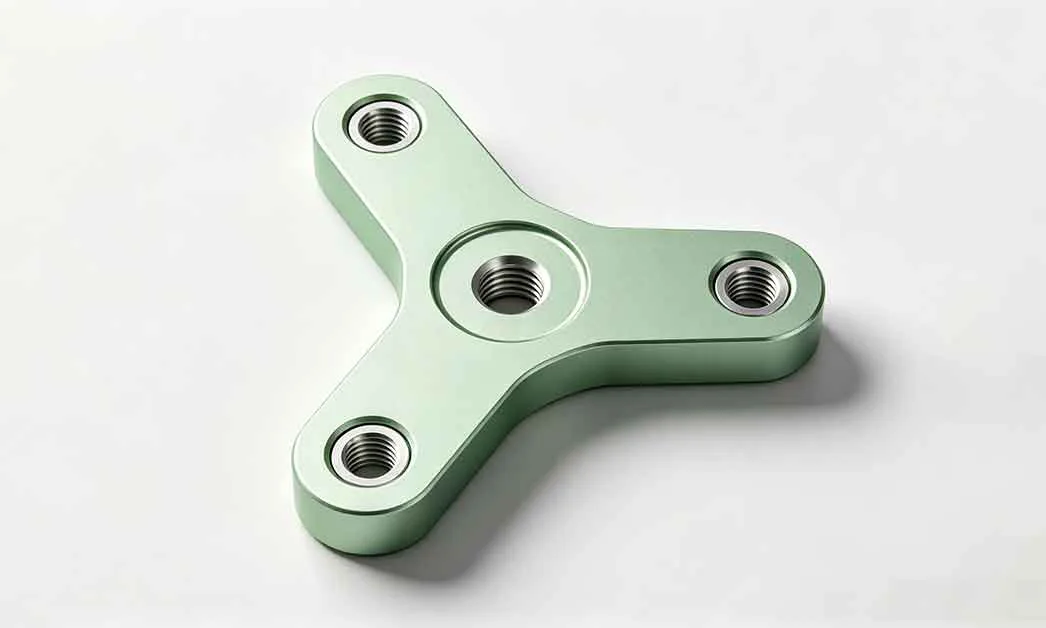
Adds a protective layer to aluminum prototypes, resulting in a premium, metallic-tinted appearance in custom colors without hiding the metal’s natural texture.
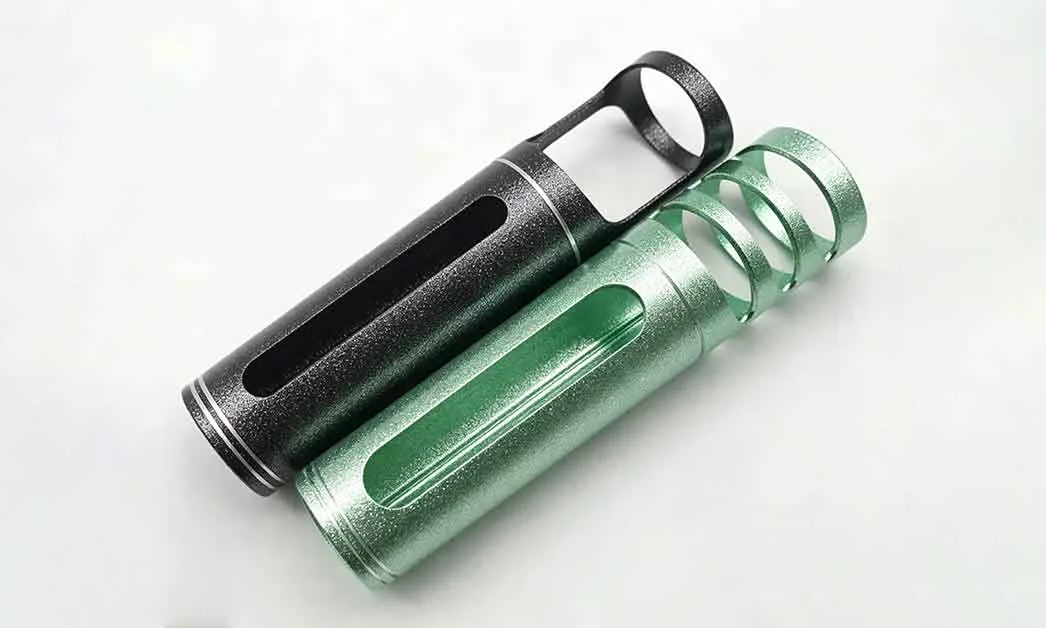
Powder Coating
Covers the raw material entirely with custom Pantone colors, making the prototype look exactly like a colorful, retail-ready mass-produced product in either a glossy or matte finish.

Polishing
Smooths the surface completely, giving metal prototypes a highly reflective mirror-like shine, and turning clear plastics (like Acrylic) into a fully transparent, glass-like state.
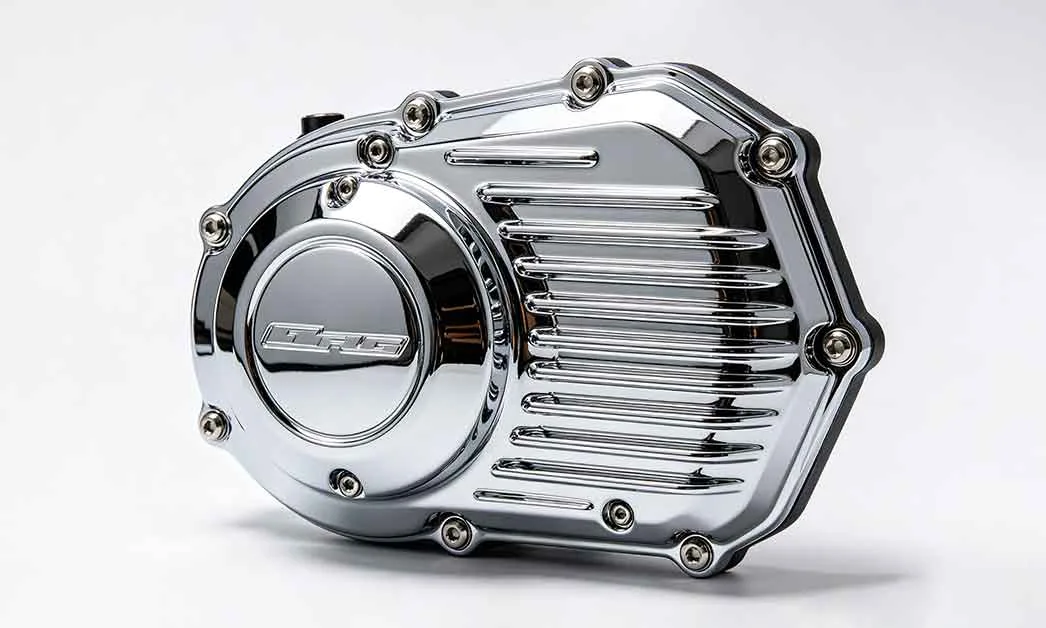
Coats the prototype with a thin layer of metal (such as chrome or nickel), transforming its exterior into a shiny, ultra-smooth, and highly reflective premium metallic finish.
Elevate Your Designs with a Click
CNC Prototyping vs. Other Rapid Prototyping Methods
CNC prototypes are used for various types of validation on your products, such as material validation, functional validation, assembly validation, tolerance validation, appearance validation, and tactile validation.
| Feature | CNC Prototyping | 3D Printing | Vacuum Casting | Rapid Injection Molding |
|---|---|---|---|---|
| Best For | High-precision functional parts | Complex geometry, visual & functional prototypes | Small batches (10–50) of flexible/rubber parts | Bridge production (100+) with final materials |
| Accuracy | ±0.01–0.05mm (High) | SLA ±0.05mm, FDM ±0.15mm (Med) | ±0.15mm/100mm (Med) | ±0.05mm (High) |
| Material | Metals & Plastics | Resins, Plastics, Limited metal powders | PU simulating ABS/PC/Rubber/Silicone | Plastics |
| Strength | Excellent (Isotropic) | Isotropic (SLA/SLS) or Anisotropic (FDM) | Medium | Excellent (Isotropic) |
| Lead Time | 3–7 days | 1–3 days | 7–10 days | 10–15 days |
| Cost (1–10) | Medium–High | Low | Medium (tooling amortized) | High (aluminum tool) |
| Min. Wall/Feature | ≥0.5mm (tool limited) | ≥0.8mm (SLA/SLS), ≥1.5mm (FDM) | ≥1.5mm recommended | ≥0.8mm (same as production) |
| Max Part Size | Very large (e.g., 1000mm) | Medium (~300mm) | Medium (~500mm) | Small–medium (mold frame limited) |
| Ideal Quantity | 1–50 pcs | 1–100 pcs | 10–50 pcs (mold life ~50) | 100–10,000 pcs |
| Design Constraints | Tool reach, internal sharp corners | Support structures, overhangs | Draft angles ≥1°, uniform walls | Draft ≥0.5°, avoid undercuts |

If you need high precision, a fine surface finish, and parts that are transparent or made of metal, CNC is your best choice.

If your design is complex, still being updated often, and you need to keep costs down, 3D printing is the way to go.

If you only need 10–50 plastic parts, want a rubber-like feel or clear material, and don’t want to pay for a mold, vacuum casting is the best option.
If your design is final and you need thousands of parts for market testing, rapid injection molding is the top choice.
Why Choose Our CNC Prototyping
CNC prototyping is essentially using CNC machining to quickly make prototypes. This means any material that can be CNC machined can also be used for CNC prototyping. If you break it down to specific material grades, there are literally hundreds of them to choose from.
High Cost-Performance
Our CNC prototyping services are not the cheapest, yet you will receive quality services worthy of your investment.
Highly Collaborative
We never charge extra fees casually for drawing adjustments. Our team always offers timely and positive responses to all clients.
Deep Expertise
We are equipped with premium equipment and experienced engineers. We will not modify your complex designs unless it is truly necessary.
CNC Prototyping Workshop At FirstMold
We are equipped with advanced machinery for precision CNC rapid prototyping, including GF+ milling centers, Haas 5-axis machining centers, Makino EDM series, and Sodick EDM series.
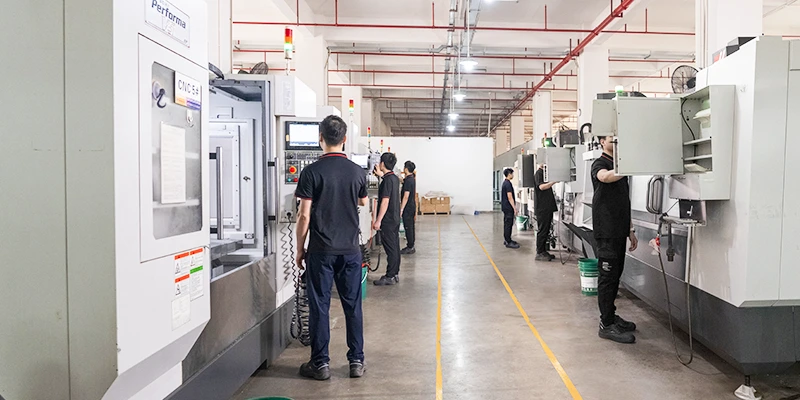
4 Protoyping Workshops
A Haas brand CNC machine shop, a GF+ high precision CNC workshop, a mill & lathe workshop, an EDM workshop.
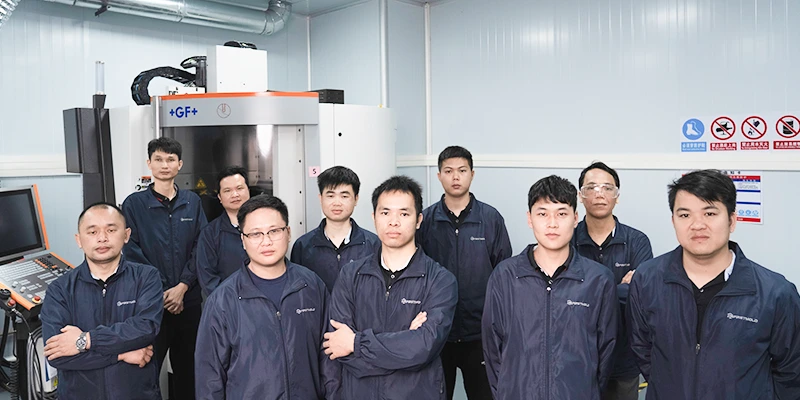
Two departments, four teams
Two departments are divided into four groups according to the industries they are responsible for.
Our 4-Step CNC Prototyping Process
Submit Drawings & Confirm Agreement
Send your drawings and requirements, and we quickly confirm the contract.
Engineering & Process Preparation
We analyze drawings, select materials, program CNC, and plan the process.
CNC Machining & Inspection
We machine your prototype and inspect it against your requirements.
On-time Delivery
We deliver the finished prototype on schedule.
Elevate Your Designs with a Click
FAQ for CNC Prototyping Services

What happens if my CNC prototypes are out of tolerance?
Can you recommend the best material for my CNC prototype?
Certainly. Whether you are aiming to make a plastic prototype or need to make a metal prototype, just tell us the intended use of the prototype, such as high temperature resistance, high toughness, transparent display, or food contact, and our engineers will recommend suitable materials (e.g., ABS, PC, POM, aluminum alloy 6061, 7075, etc.).
How do you prevent deformation in thin-walled parts?
Before quoting, we assess the machining risks of the thin-walled structure and provide professional advice. If our assessment shows that deformation will not occur, the parts you receive will be free from deformation. We control deformation by optimizing the jigs and fixtures plan, using small depth of cut with layered CNC programming, removing material symmetrically, and adding process stiffeners.
Can you match custom Pantone colors for painted parts?
Do you charge set-up or programming fees for prototypes?
Our prototype quotations do not have a separate set-up fee. Programming costs are usually absorbed into the unit part rapid prototyping price. For very few complex orders or single-piece orders, a minimum charge may apply, but this will be clearly listed in the quotation with absolutely no hidden fees.
Can you transition from prototyping to small-batch production?
How long is the CNC prototype quotation valid?
Our quotation is valid for 30 days. Due to price fluctuations in raw materials such as aluminum alloys and plastics, the CNC machining costs may need to be reconfirmed after expiry. If raw material market prices experience extremely large fluctuations during a certain period, the validity period may be relatively shortened accordingly.
 EN
EN  ES
ES  FR
FR  DE
DE  IT
IT  PT
PT  NL
NL  PL
PL  AR
AR  JA
JA  KO
KO  ZH
ZH