

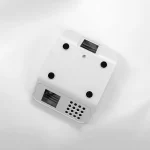
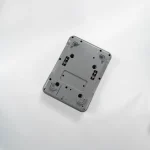
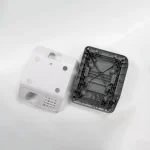
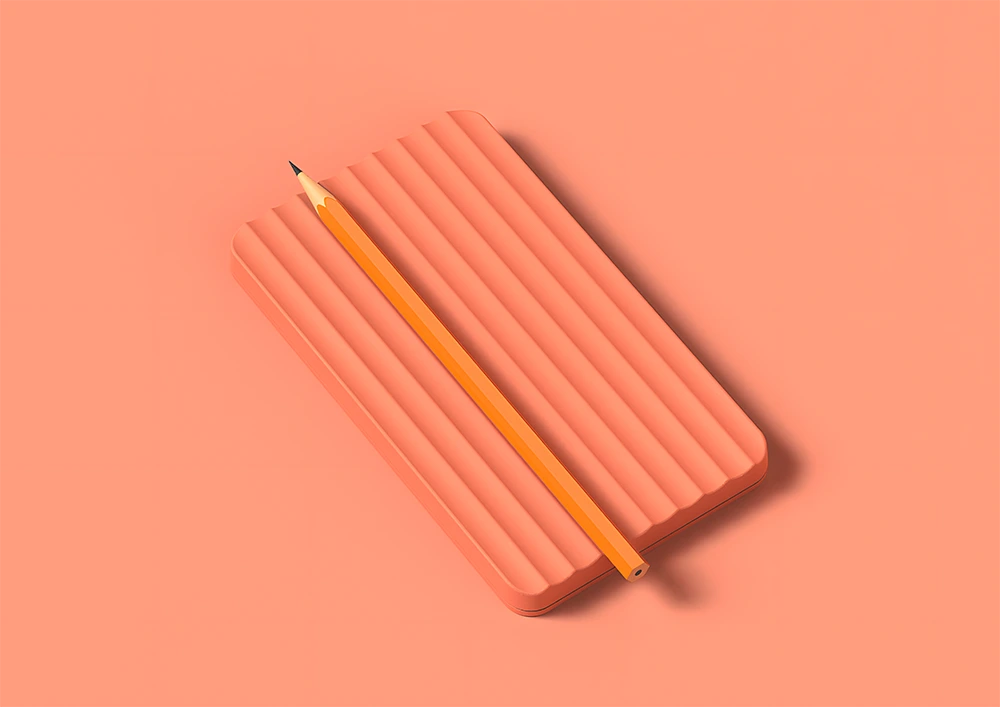
يؤدي هيكل الآلة الحاسبة، أو غلافها، أو غلافها الخارجي، دورًا جماليًا ووظيفيًّا على حد سواء. ورغم أن الدور الأساسي للغلاف الخارجي هو حماية المكونات الإلكترونية الداخلية، فإن بعض مصنعي هياكل الآلات الحاسبة يدمجون عناصر تصميمية تتيح للغلاف استيعاب الملحقات، مثل قلم رصاص، كما هو واضح في الآلة الحاسبة FLIP.
يتم تصنيع هيكل الآلة الحاسبة بشكل أساسي باستخدام مواد بلاستيكية متينة مثل أكريلونيتريل بوتادين ستايرين (ABS)، والبوليستيرين عالي المقاومة للصدمات (HIPS)، والبولي كربونات (PC). وفيما يلي بعض وظائف هيكل الآلة الحاسبة.
- الحماية: وهي تحمي المكونات الإلكترونية الداخلية الحساسة، مثل لوحة الدوائر المطبوعة (PCB) والرقائق الدقيقة، من التلف المادي الناجم عن الصدمات ومن العوامل البيئية مثل الماء والأشعة فوق البنفسجية. وتحتوي بعض الطرازات على أغطية منزلقة توفر حماية إضافية للشاشة.
- المنظمة: صُمم الغلاف بحيث يحتوي على حجرات مخصصة للشاشة ولوحة المفاتيح والبطارية. ويقوم الإطار الصلب بتثبيت هذه المكونات في مكانها، مما يمنع حدوث أي تلف عرضي ناتج عن الصدمات أو الدوائر القصيرة.
- سهولة الاستخدام: يوفر قاعدة ثابتة للمفاتيح المرنة، مما يتيح إدخالًا متكررًا مريحًا وسريع الاستجابة.
- المتانة: يتم تصنيع هيكل الآلة الحاسبة بحيث يتحمل التآكل الناتج عن الاستخدام اليومي ويحمي الأجزاء الداخلية الهشة من الضغط والسقوط.
متطلبات العميل
كانت إحدى الشركات المصنعة للآلات الحاسبة بصدد إطلاق منتج جديد يتميز بتصميم منحني فريد من نوعه، فتواصلت مع شركة «فيرست مولد» (First Mold) لطلب المساعدة في إنتاج الهيكل الخارجي. وكانت هذه الآلة الحاسبة فريدة من نوعها، حيث تتميز بشاشتين ومخصصة للاستخدام التجاري. وكانت الشركة تبحث عن شركة مرموقة قادرة على تصميم قوالب دقيقة لهذا المشروع، وقد تمت التوصية بشركة «فيرست مولد» بشدة.
أعرب بوين هوانغ، مدير الإنتاج في شركة «فيرست مولد»، عن سعادته بتقديم جولة ميدانية للعميل في الأقسام المختلفة للمصنع. وأعربت الشركة المصنعة صراحةً عن ارتياحها، ثم شرعت في عرض متطلباتها التفصيلية لتصنيع هيكل الآلة الحاسبة.
نظرًا للانحناء الطفيف في التصميم، كان العميل شديد الاهتمام بتحقيق التوازن بين الأداء والمتانة مع الحفاظ على وزن يبلغ حوالي 150 جرامًا (0.33 رطل). وتشمل المتطلبات الرئيسية التي حددها في المخطط ما يلي:
- الوزن الإجمالي للمنتج: من 125 غرامًا إلى 150 غرامًا
- سماكة الجدار: من 1.0 مم إلى 1.5 مم
- معالجة السطح: الطباعة بالشاشة الحريرية
- تفاوت الأجزاء: ±0.1 مم
- تفاوت التجميع: ±0.03 مم
- معدل العائد في الإنتاج الضخم: ≥98%
التحديات والحلول
يُعد تصنيع القوالب للمنتجات ذات الأسطح المنحنية أكثر صعوبة مقارنةً بالمنتجات ذات الأسطح المسطحة. فهو يتطلب دقة عالية، وتصنيعًا متخصصًا، وتدخلات تتطلب جهدًا كبيرًا من قبل مهندسين ماهرين. وللتغلب على هذا التحدي، اضطرت شركة «فيرست مولد» إلى الاعتماد على برامج CAD المتطورة والتصنيع باستخدام الحاسب الآلي (CNC) خماسي المحاور لتصنيع قالب فولاذي لتصنيع غلاف الآلة الحاسبة.
بعد الانتهاء من الإنتاج، احتاج سطح القالب النهائي إلى درجة عالية جدًّا من الصقل لضمان حصول المنتج النهائي على مظهر نهائي نظيف وناعم، يكون جاهزًا للطباعة بالشاشة الحريرية.
كانت المادة الأساسية المستخدمة في هذا المشروع هي مادة ABS، التي تتسم عادةً بمعدل انكماش في القالب يتراوح بين 0.4% و0.7%، اعتمادًا على النوع وظروف المعالجة. وكان على مهندسي شركة «First Mold» أن يأخذوا هذا الانكماش في الحسبان أثناء إنتاج قالب غلاف الآلة الحاسبة لتجنب حدوث عيوب مثل الالتواء.
تصنيع أغطية الآلات الحاسبة للتجميع بالانزلاق
أراد العميل أن يتم تجميع القشرتين العلوية والسفلية بنظام التثبيت بالانزلاق عند الحواف. وبالإضافة إلى نظام التثبيت بالانزلاق، طلبت الشركة المصنعة استخدام براغي ذاتية اللولبة لتوفير تثبيت إضافي يضمن إحكام الإغلاق وديمومته وحماية المكونات الداخلية.
تتطلب الوصلات ذات التثبيت بالانزلاق تفاوتات دقيقة في القولبة. فإذا كانت التفاوتات ضيقة جدًّا، سيصعب تجميع الأجزاء. ومن ناحية أخرى، إذا كانت التفاوتات واسعة جدًّا، فسيكون التوصيل ضعيفًا، مما يؤدي إلى ظهور فجوات يمكن أن تتسرب من خلالها الرطوبة وتلحق الضرر بالمكونات الإلكترونية الداخلية الحساسة.
يتمثل أحد التحديات الرئيسية في تصميم التثبيت بالانزلاق في تركيز الإجهاد على ذراع التثبيت (العارضة الكابولية)، مما قد يؤدي إلى كسر التثبيت أثناء التجميع. ولتجنب هذه النتيجة وضمان المتانة طويلة الأمد للمنتج، أضاف مهندسو شركة First Mold حوافًا مستديرة (زوايا مدورة) إلى قاعدة العارضة الكابولية لتوزيع الضغط، مما أدى إلى زيادة المتانة.
ومن بين الأساليب الأخرى التي اتبعها مهندسو شركة «فيرست مولد» لتحسين قوة التثبيت بالانزلاق، تدرج عرض العارضة الكابولية لتقليل كمية المواد المستخدمة وخفض ذروة الإجهاد. واعتمد الفريق على برامج حاسوبية متطورة للحصول على التوافق المثالي في تصنيع هيكل الآلة الحاسبة، بدلاً من الاعتماد على أسلوب التجربة والخطأ عبر نماذج أولية متعددة.
تصميم هيكل آلة حاسبة خفيفة الوزن
يُشكل هيكل الآلة الحاسبة ما بين 70% و90% من إجمالي الوزن والحجم. وعلى الرغم من أن المادة التي اختارها العميل (ABS) تُعد عادةً الخيار الأول للأجهزة الإلكترونية الاستهلاكية نظرًا لخفة وزنها نسبيًّا، فقد كان من الضروري إعادة النظر في التصميم مع مراعاة تخفيف الوزن. وسيؤدي تقليل استخدام المواد عند تصنيع غلاف الآلة الحاسبة إلى خفض الوزن الإجمالي.
قرر مهندسو شركة «فيرست مولد» الإبقاء على سماكة الجدار عند 1.0 مم. ولضمان أن تظل الجدران الرقيقة صالحة من الناحية الهيكلية، تم تعزيزها بأضلاع. ولتحقيق أفضل النتائج، تم تحديد اتجاه الأضلاع باستخدام برامج المحاكاة. ولم تقتصر وظيفة الأضلاع على الدعم الهيكلي فحسب، مما استلزم تخطيطًا أفضل. ومن بين الأدوار الأخرى التي تؤديها الأضلاع ما يلي:
- زيادة الصلابة: وقد ضمن تصميم الأضلاع بقاء الآلة الحاسبة صلبة ومقاومة للانثناء. بعبارة أخرى، لن تنكسر الآلة الحاسبة عند ثنيها، وهو ما يُعد ميزة رائعة من حيث المتانة.
- تركيب المكونات: صُممت الأضلاع بحيث تحتوي على أقسام مخصصة لتركيب المكونات الداخلية المختلفة، بما في ذلك لوحات الأزرار ولوحات الدوائر الكهربائية والبطاريات، مما يضمن تثبيتها بإحكام في أماكنها.
- الوقاية من العيوب: تكون الجدران الرقيقة عرضة لعيوب مثل الالتواء، وعلامات التغور، أو التجاويف الظاهرة على السطح. وقد أتاح استخدام الأضلاع لشركة «فيرست مولد» تصنيع جدران أرق وأكثر اتساقًا.
وقد أتاح الجمع بين الجدران الرقيقة والتصميم الذكي للأضلاع لفريق «فيرست مولد» إنتاج هيكل آلة حاسبة خفيف الوزن للغاية دون المساس بالسلامة الهيكلية. وقد ضمن تصميم هيكل الآلة الحاسبة الخفيف الوزن أن يظل الوزن الإجمالي للمنتج أقل من 150 جرامًا بعد تجميع جميع المكونات.
تحقيق معدل عائد في الإنتاج الضخم يبلغ 98% أو أكثر
كان من الضروري اختيار موقع البوابة واستراتيجية التهوية بعناية، لا سيما التهوية في نهاية مسار التدفق، للسماح للهواء المحبوس بالخروج، ومنع التعبئة غير الكاملة، وتجنب ظهور علامات الاحتراق. واستخدم مهندسو شركة «فيرست مولد» قنوات تبريد مطابقة للشكل للحفاظ على درجة حرارة القالب موحدة، مما أدى إلى تقليل الالتواء والانكماش ووقت الدورة.
قام فريق مهندسي شركة «فيرست مولد» بتصميم وثائق تفصيلية للعمليات، تضمنت أدلة التصميم والإعداد الأولي والإنتاج والصيانة والإصلاح. وتساعد هذه الوثيقة الشركة المصنعة لأغلفة الآلات الحاسبة على تحسين عملية الإنتاج لديها لتحقيق معدل إنتاجي في الإنتاج الضخم يبلغ ≥98%.
لماذا يُعد تصنيع المنتجات المنحنية أمرًا صعبًا؟
عادةً ما تكون المنتجات ذات الأشكال الهندسية المنحنية أكثر عرضة للتشوه أثناء التبريد، خاصةً إذا كان سمك الجدار غير متجانس. ولذلك، كان من المهم لشركة «فيرست مولد» الحفاظ على اتساق سمك الجدار على طول المنحنى. فعدم اتساق السمك يؤدي إلى تبريد متفاوت، مما قد يتسبب في انخفاض المناطق السميكة بينما تبرد المناطق الرقيقة بسرعة كبيرة.
كما أن الأجزاء المنحنية تميل إلى ‘الالتصاق’ بتجويف القالب بشكل أقوى مقارنة بالأجزاء ذات الجدران المستقيمة. وهذا يجعل عملية إخراجها صعبة، مع زيادة خطر تعرض الأجزاء المنحنية للتلف أو الخدوش.
كان تصميم هيكل الآلة الحاسبة الذي طلبه العميل يتميز بجدران أرق قليلاً حول الشاشات ولوحة المفاتيح. ولمنع حدوث عيوب محتملة ناجمة عن التبريد التفاضلي، قام مهندسو شركة «فيرست مولد» بتحسين نظام تبريد القالب باستخدام برنامج «مولد فلو أناليسيس» (Mold Flow Analysis) لتقليل الضغوط الداخلية.
ما الذي اكتسبه العميل من حلول شركة فيرست مولدز
كانت الميزة الأولى والأهم التي حققها العميل من خلال الشراكة مع شركة «فيرست مولد» هي تقليل المدة الزمنية اللازمة للتنفيذ. فقد تلقى العميل مجموعات قوالب الإنتاج الجاهزة في غضون 21 يومًا، إلى جانب وثائق تفصيلية لتوجيه عملية تحسين الإجراءات.
يُعد تصنيع القوالب الفولاذية عملية مكلفة. وتزداد التكلفة مع زيادة تعقيد التصميم. ومن الطبيعي أن يؤدي القالب الفولاذي ذو الأسطح المنحنية إلى زيادة تكلفة الأدوات، لأنه يتطلب أدوات متخصصة وعمالة متخصصة لتنفيذه. ومع ذلك، تمكنت شركة First Mold من تنفيذ تصميم العميل في حدود ميزانيته من خلال تطبيق مبادئ التصميم المراعي لقابلية التصنيع والاعتماد على تقنيات متطورة مثل التصنيع باستخدام الحاسب الآلي (CNC) خماسي المحاور وبرامج التصميم بمساعدة الحاسوب (CAD).
إلى جانب تسليم القوالب الجاهزة من أجل النسخ المطابق لتصميم هيكل الآلة الحاسبة الوارد في المخطط الفني للعميل، قدم مهندسو شركة «فيرست مولد» إرشادات فنية بشأن اتجاه الأضلاع وموضعها لتحقيق أفضل نتيجة هيكلية.
قدم مهندسو شركة «فيرست مولد» إرشادات لفريق العميل حول كيفية استخدام الآلة بفعالية. وحتى بعد التسليم، واصل الفريق دعم العميل من خلال خدمة ما بعد البيع لضمان التشغيل السلس للقالب من أجل تصنيع أغلفة الآلات الحاسبة على النحو الأمثل.
إن الجمع بين عملية الإنتاج المحسّنة وتنفيذ التصميم من أجل التصنيع وتوفير دعم الصيانة والإصلاح يضمن للعميل الحفاظ على الإنتاج الأمثل لمبيت الآلة الحاسبة بأقل وقت تعطل. سيؤدي ذلك إلى سداد قيمة الاستثمار المقدم في الأدوات الفولاذية بمرور الوقت.
تصميم غلاف الآلة الحاسبة الإبداعي
نعتقد أن بعضكم من متابعي شركتنا من مصممي المنتجات. لقد جمعنا بعض حالات تصميم علب الآلة الحاسبة لمشاركتها معكم.
01. ناقص
MINUS هي آلة حاسبة مفاهيمية بسيطة تعيد التفكير في شكل الآلة الحاسبة بطريقة مباشرة.
يضفي مظهرها الأنيق وأزرار الأرقام المستديرة على الآلة الحاسبة شكلاً جديداً تماماً.
مصمم: تيليكس - التصميم


02. فليب
إن FLIP هو مفهوم تصميم الآلة الحاسبة الذي يسمح للمستخدمين بحماية الجهاز من الغبار أو أي ضرر آخر عند عدم استخدامه، مع الحفاظ على المكتب مرتباً بشكله الفريد.
تصميم على شكل قرص سهل التنظيف.
مصمم: جايوان - بارك
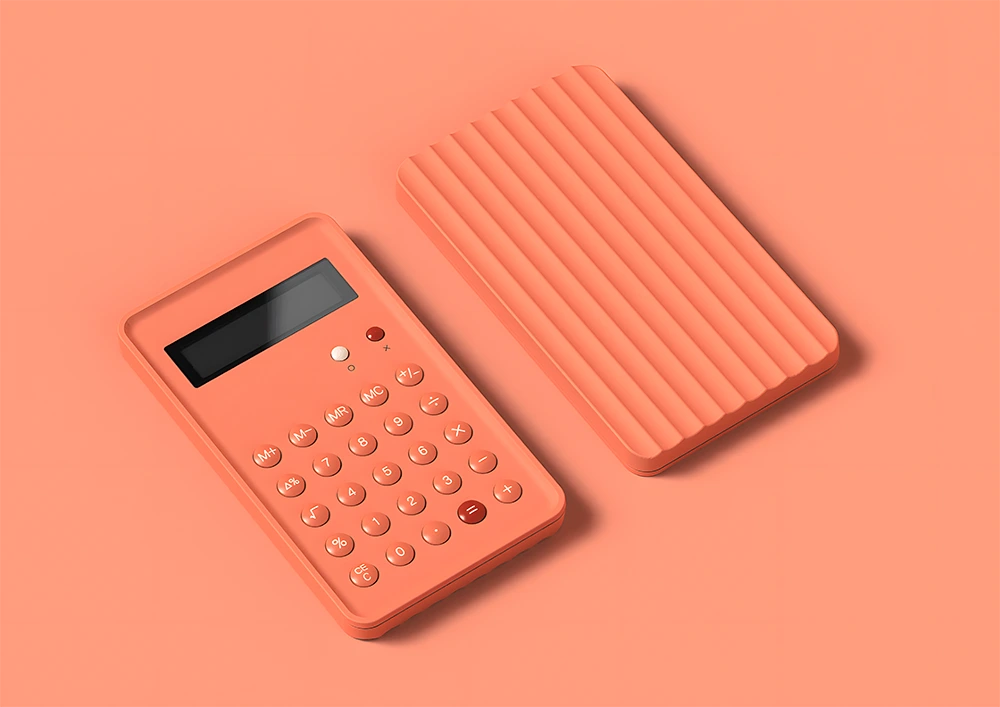
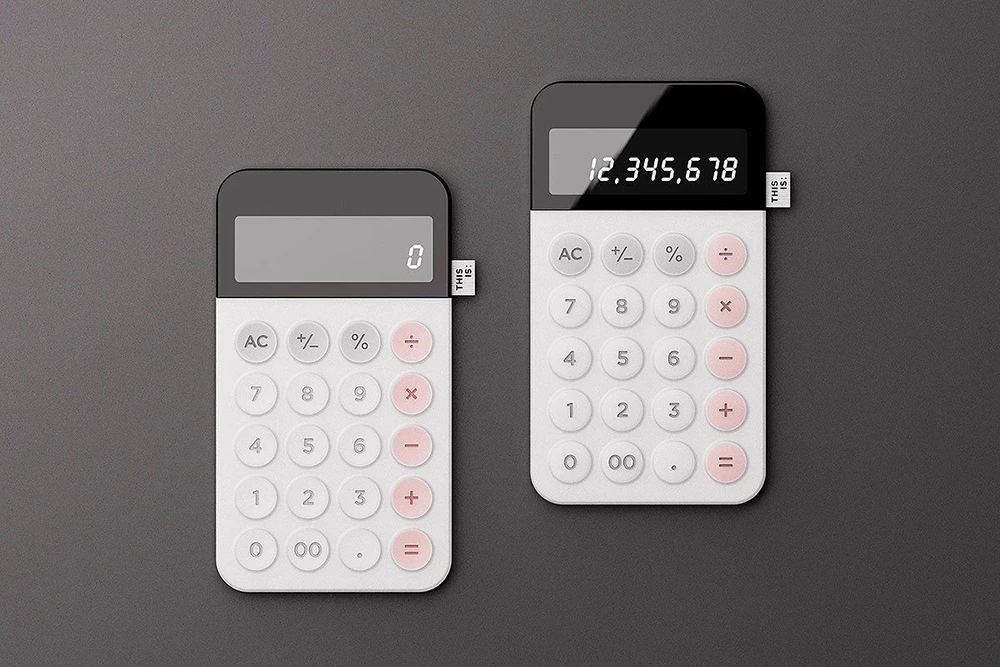
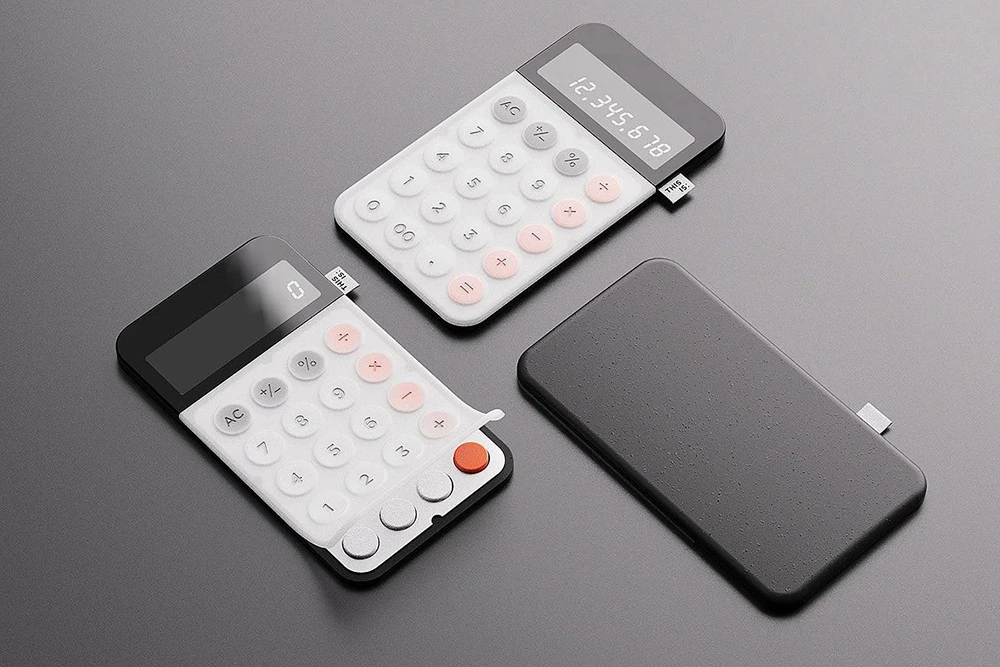
03. نيوموراتورتر
مصمم: جينووك لي
تتميز هذه الآلة الحاسبة البسيطة والأنيقة بغطاء خلفي أسود غير قابل للانزلاق لاستخدام مريح. يكشف الغطاء شبه الشفاف عن لون الأزرار الموجودة تحته. يحتوي المنتج على تفصيلين سريين: الأزرار الملونة تحت غطاء السيليكون، ونوعين من الأزرار.
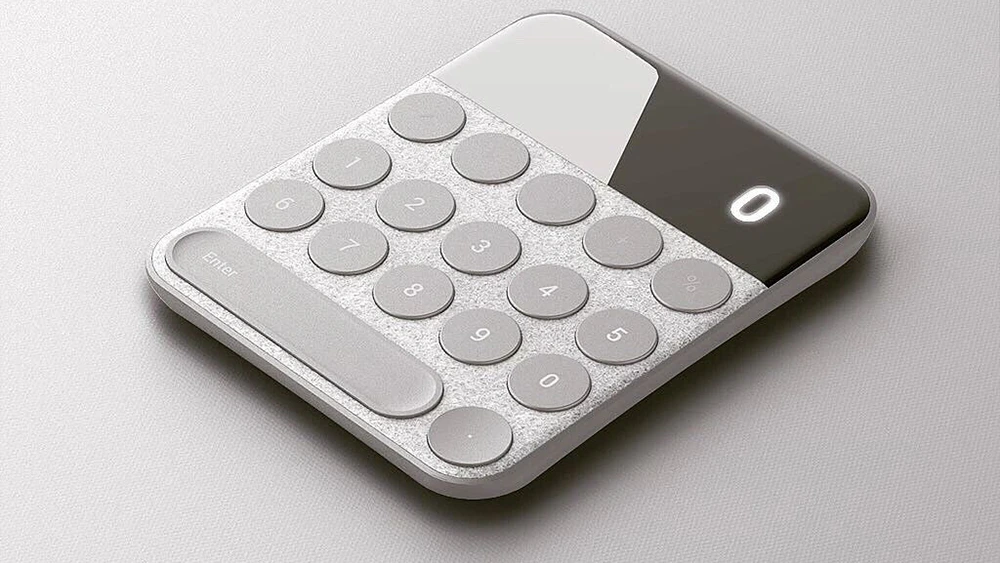
04. سبيس بار
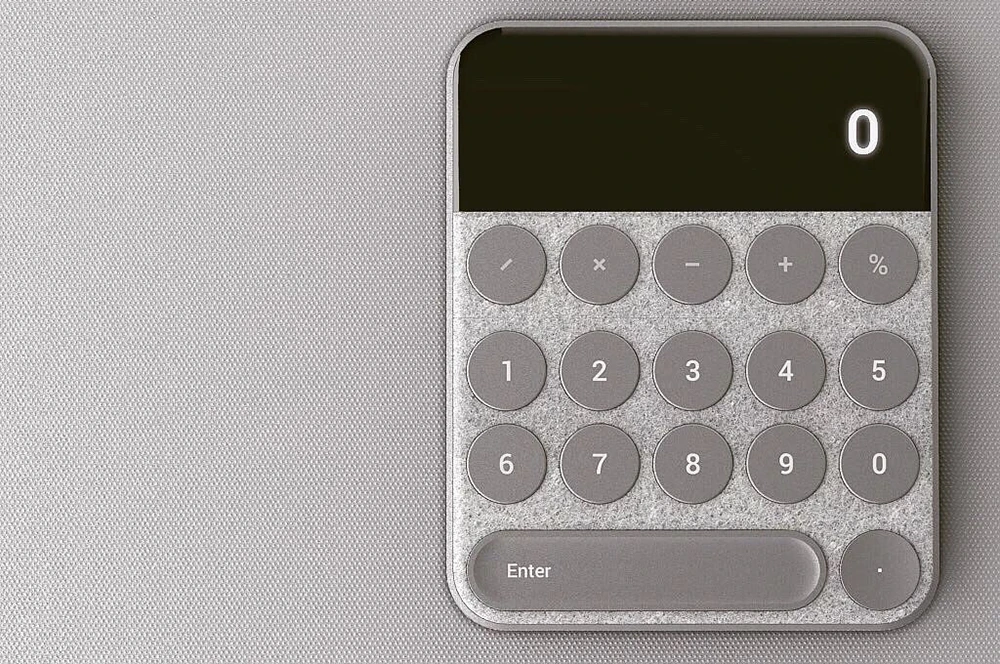
لفت انتباه المصمم شريط المسافة الكبير الموجود على لوحة المفاتيح وتم تطبيقه على هذه الآلة الحاسبة، مما أدى إلى آلة حاسبة بشريط مسافة كبير الحجم.
تستخدم هذه الآلة الحاسبة ثلاثة ألوان بسيطة - الأسود، والأبيض، والرمادي - مما يمنحها طابعاً أنيقاً.
مصمم: إلودي - ديلاسوس
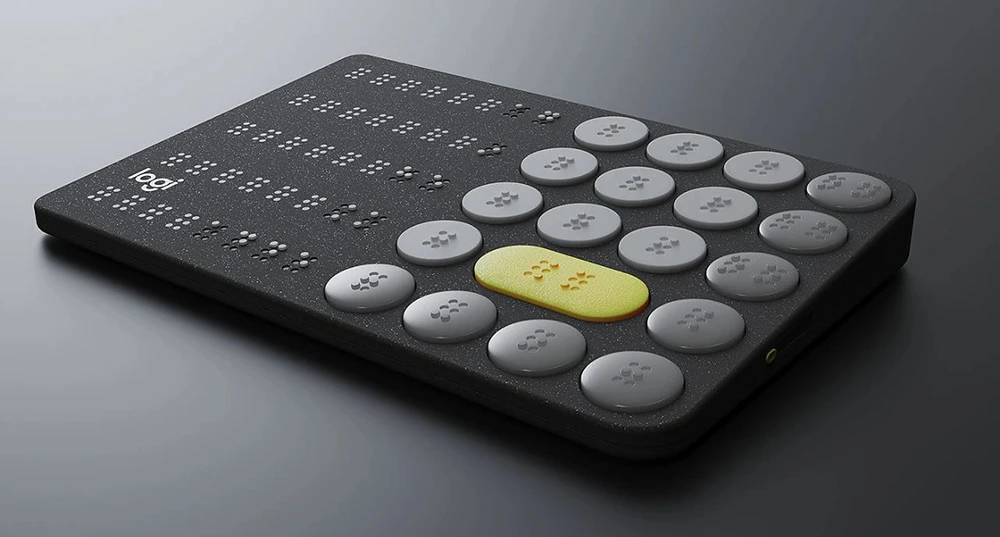
05. لوجيتك
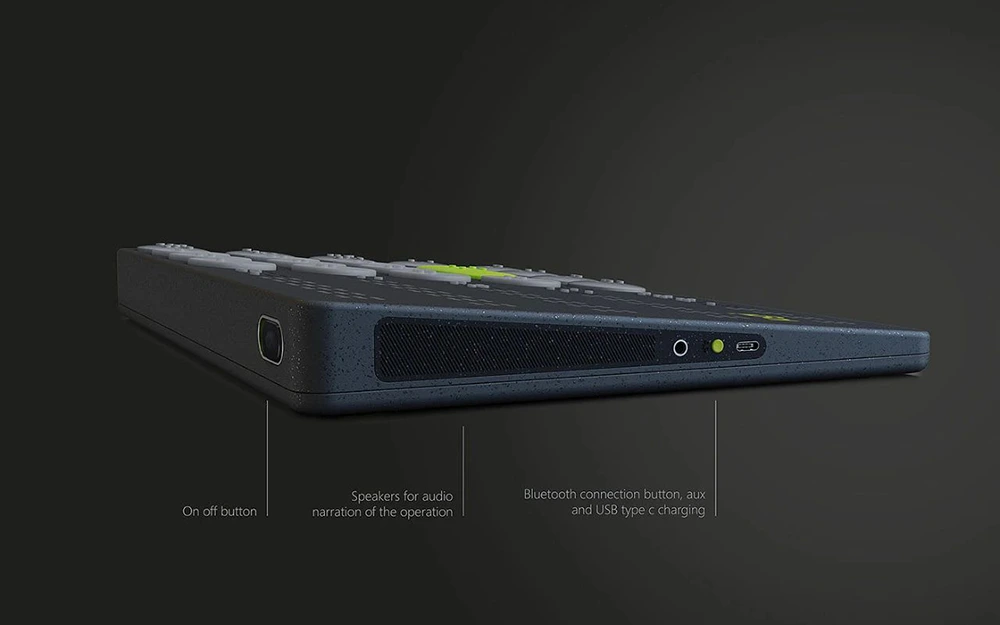
هذا تصميم مبدئي لآلة حاسبة بطريقة برايل، مصممة خصيصاً للأشخاص الذين يعانون من إعاقات بصرية.
تتميز كل مجموعة من الأزرار بمعالجة سطحية فريدة من نوعها، مما يوفر الراحة للأشخاص ذوي الإعاقات البصرية.
مصمم: ميرف نور سوكمن
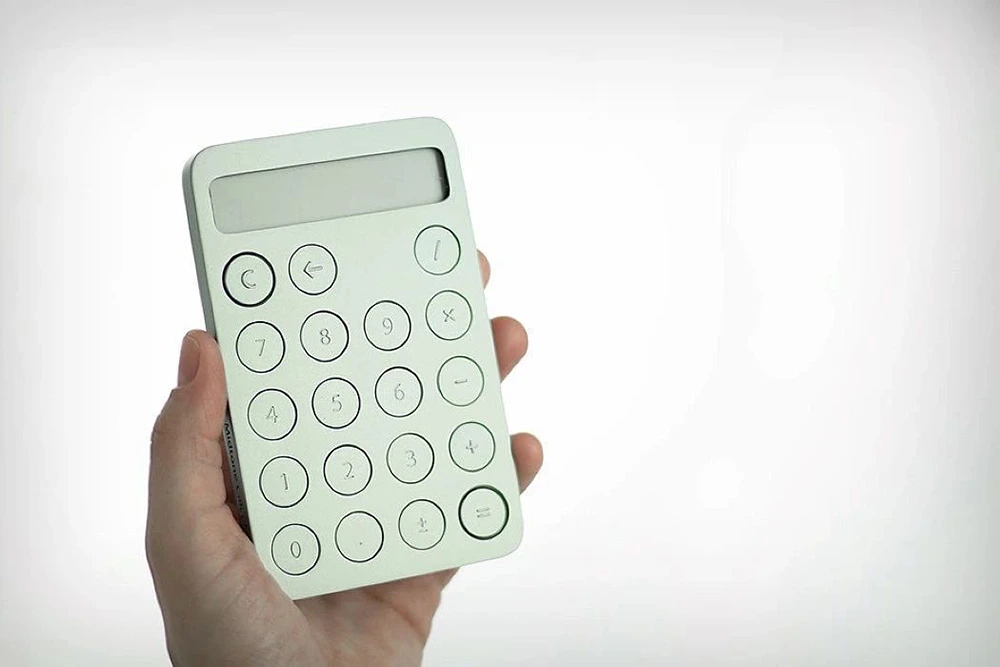
06. نغمة متوسطة
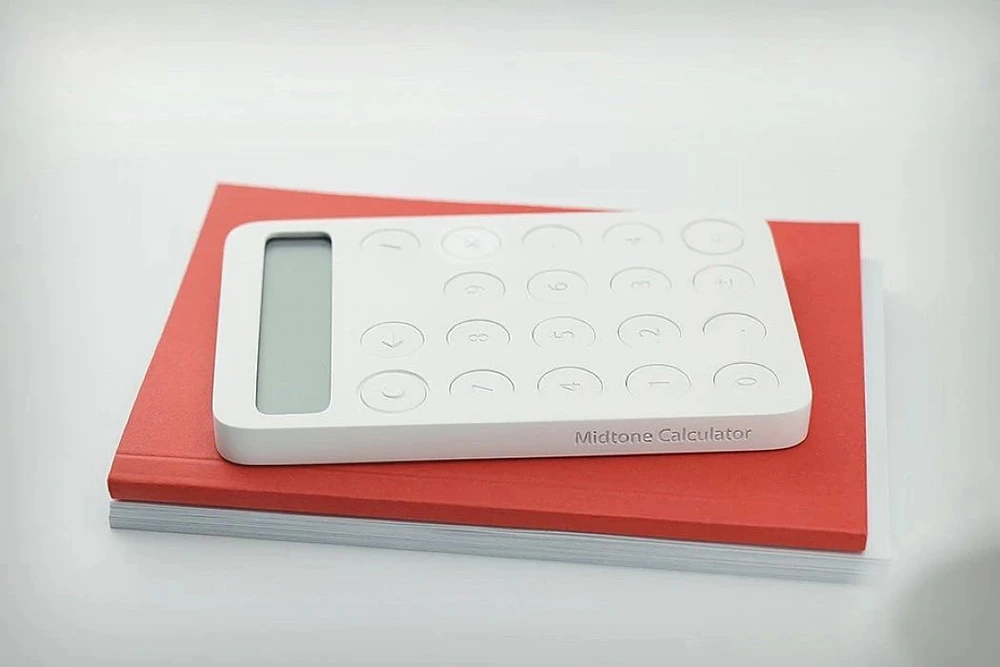
تتميز الآلة الحاسبة Midtone بشكل كتلة بسيط مع أزرار مستديرة ونظام ألوان واحد. الواجهة بأكملها نظيفة وراقية.
يتطابق لون خلفية شاشة LCD مع لون الآلة الحاسبة، مما يمنح المنتج مظهراً ريفياً وموحداً.
المصممون: إرديم سيليك وهايل سيليك
الأسئلة الشائعة
لإنشاء مبيت آلة حاسبة خفيف الوزن، يجب مراعاة عدة عوامل، بما في ذلك تحسين اختيار المواد، والتصميم من أجل قابلية التصنيع لتقليل استخدام المواد، وتنفيذ أضلاع هيكلية لدعم الأصداف رقيقة الجدران لتعزيز القوة والصلابة.
يجب أن يكون للتركيبات القاطعة السماكة المناسبة للإحكام المناسب. ولتقليل ذروة الإجهاد، من المهم أن تكون سماكة العارضة مستدقة من الجذر إلى الخطاف، مما يحقق سماكة أقل 50% في النهاية. يقلل هذا أيضًا من استخدام المواد ويوزع الضغط بالتساوي. أضف أيضًا شريحة عند قاعدة الكابولي لتقليل تركيز الإجهاد.

 AR
AR  EN
EN  ES
ES  FR
FR  DE
DE  IT
IT  PT
PT  NL
NL  PL
PL  JA
JA  KO
KO  ZH
ZH