

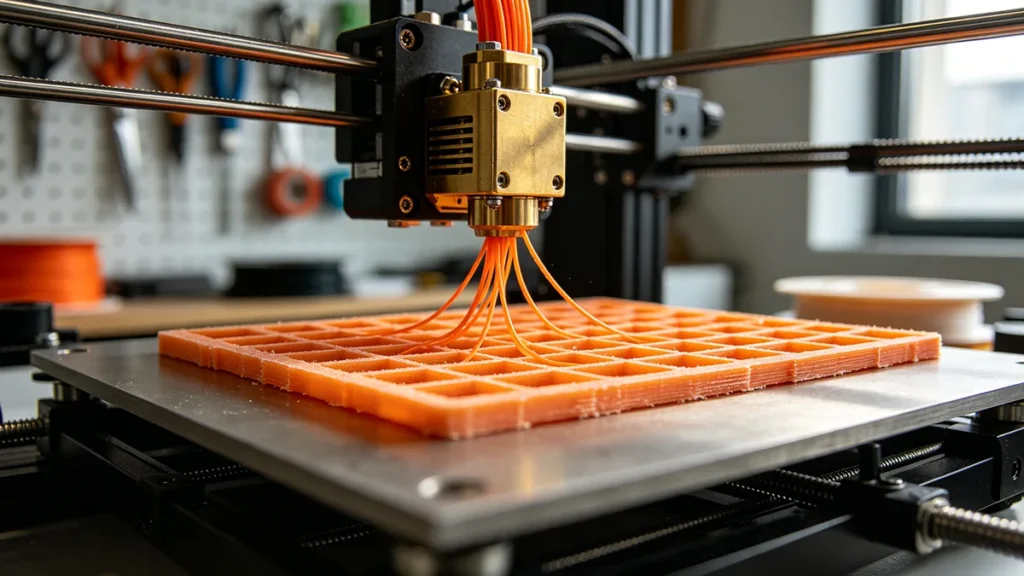
La stampa 3D o manifattura additiva è una tecnica che consente di costruire un prodotto 3D impilando strati di materiale secondo un progetto digitale. A differenza dei processi di produzione sottrattivi di taglio e lavorazione, la stampa 3D aggiunge materiale solo dove è necessario. [1].
La tecnologia consente di creare forme molto complicate, prodotti su misura e prototipi rapidi, riducendo al minimo gli sprechi di materiale. La tecnologia di stampa 3D è oggi ben adottata in vari settori come quello aerospaziale, automobilistico, sanitario, dell'elettronica di consumo e delle costruzioni.
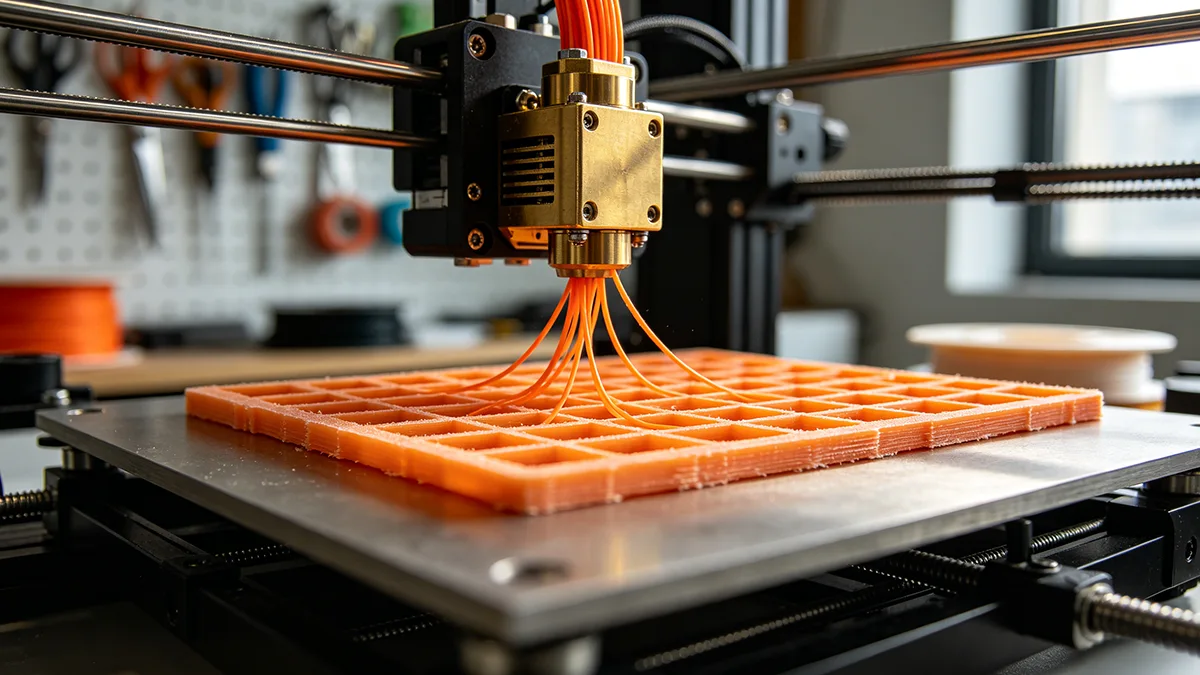
Come funziona la produzione additiva?
La prima fase della fabbricazione additiva consiste nel disporre di un modello 3D digitale, realizzato con un software di progettazione assistita da computer (CAD) o generato da una scansione 3D. Il modello viene poi sottoposto a un processo di slicing eseguito da un software che lo taglia in sottili sezioni orizzontali e produce istruzioni per la stampante.
La macchina da stampa deposita, fonde, polimerizza o sinterizza il materiale strato per strato e crea un oggetto stampato. I materiali di stampa variano da plastiche, metalli, resine, ceramiche e materiali compositi, a seconda della tecnologia di stampa. Per ottenere la finitura e le proprietà meccaniche desiderate dopo la stampa, può essere necessaria una post-elaborazione, come la pulizia, l'indurimento, la levigatura e la lucidatura.
Breve storia ed evoluzione della stampa 3D
La storia della stampa 3D risale ai primi anni '80, quando furono inventate le tecnologie di prototipazione rapida per accelerare la progettazione e il collaudo dei prodotti. [2]. Il primo grande successo è stata la stereolitografia (SLA), inventata nel 1984 da Chuck Hull, che prevedeva l'applicazione di luce ultravioletta per indurire la resina liquida in parti solide.
Negli anni Novanta e nei primi anni Duemila sono nate altre tecnologie, tra cui la modellazione a deposizione fusa (FDM) e la sinterizzazione laser selettiva (SLS), che hanno introdotto altri materiali e applicazioni. La stampa 3D, partita dalla prototipazione, è progredita lentamente fino a diventare una tecnologia di produzione valida, in grado di produrre pezzi per uso finale.
I recenti sviluppi nel software, nella scienza dei materiali, nell'automazione e nella precisione della produzione meccanica hanno migliorato notevolmente la velocità, la precisione e il costo della stampa. La manifattura additiva sta attualmente cambiando il modo in cui vengono prodotti i prodotti moderni, offrendo una personalizzazione di massa, una produzione decentralizzata e processi di sviluppo del prodotto efficienti.
Quali sono i tipi di tecnologie di stampa 3D?
Modellazione a deposizione fusa (FDM)
Tra le tecnologie di stampa 3D più diffuse c'è la modellazione a deposizione fusa. In questo processo il filamento termoplastico viene riscaldato ed estruso attraverso un ugello, strato per strato, per costruire l'oggetto.
Le stampanti FDM sono ampiamente utilizzate per la prototipazione rapida, la formazione e la produzione a basso costo, in quanto sono relativamente facili da usare e poco costose. I filamenti utilizzati nella FDM possono variare da PLA, ABS, PETG, nylon e materiali rinforzati con fibre di carbonio. Pur essendo una tecnologia economica, la FDM può generare linee di strato visibili e potrebbe non raggiungere la stessa precisione dimensionale di altre tecnologie.
Stereolitografia (SLA)
Nella SLA (Stereolitografia), un materiale fotopolimerico liquido viene indurito in sezioni successive da laser o sorgenti luminose ultraviolette. Una delle aree in cui le stampanti SLA eccellono è la produzione di pezzi dettagliati con finiture superficiali lisce e precisione dimensionale.
Le applicazioni tipiche includono modelli dentali, dispositivi medici, prototipazione di gioielli e ingegneria di precisione. I materiali utilizzati per la SLA, tuttavia, tendono a essere più fragili dei termoplastici e dopo la stampa sono necessari processi di post-curing.
Sinterizzazione laser selettiva (SLS)
La sinterizzazione laser selettiva è una tecnologia che prevede la fusione di materiali in polvere come nylon, polimeri o particelle metalliche per mezzo di un potente raggio laser. La SLS può generare geometrie complesse senza bisogno di strutture di supporto, poiché la polvere circostante può sostenere la parte stampata durante il processo di fabbricazione. [3].
La tecnologia SLS produce prototipi funzionali, componenti aerospaziali, parti automobilistiche e piccole serie. Il processo è particolarmente vantaggioso per le proprietà meccaniche e la flessibilità di progettazione, ma ha costi più elevati per le attrezzature e i materiali.
Elaborazione digitale della luce (DLP)
Il Digital Light Processing funziona come lo SLA, ma invece di utilizzare un laser per tracciare la resina, polimerizza l'intero strato in una sola volta con un proiettore digitale. Ciò consente di ottenere un'elevata precisione e una risoluzione dei dettagli e una maggiore velocità di stampa per le stampanti DLP. La tecnologia DLP viene utilizzata nella produzione dentale, nella gioielleria e nelle applicazioni di modellazione in miniatura, dove la precisione e la qualità della superficie sono di fondamentale importanza.
Tecnologie di stampa 3D del metallo
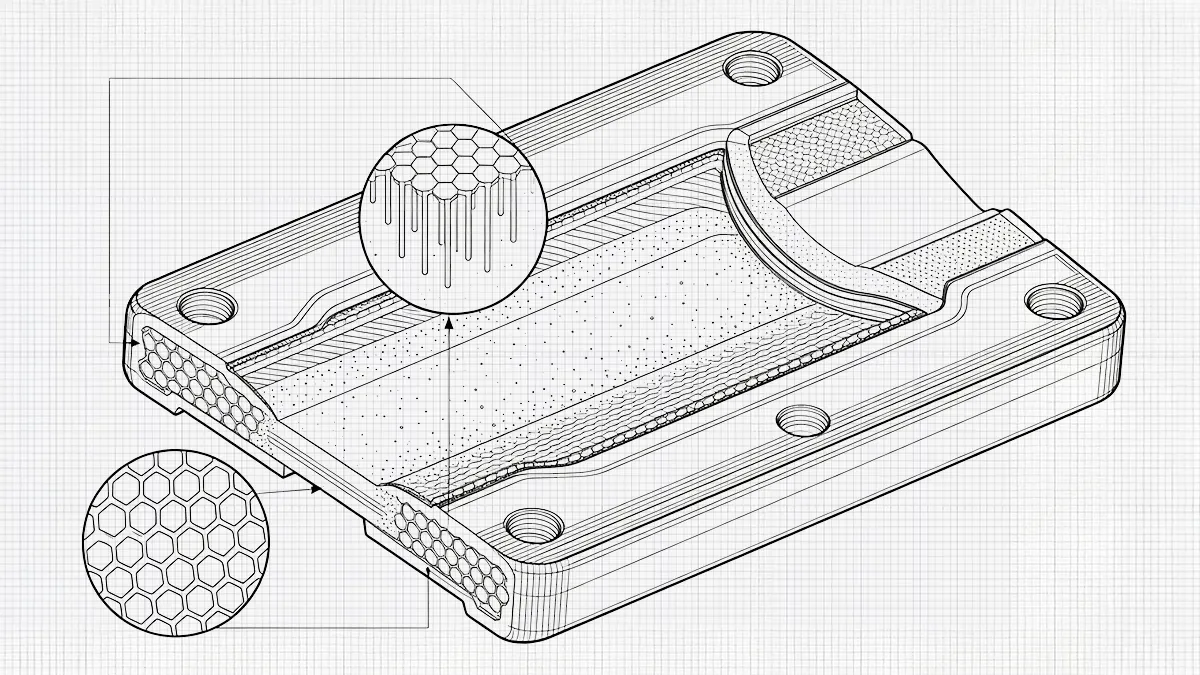
Esistono diverse tecnologie di stampa 3D per le parti in metallo, come la sinterizzazione laser diretta di metalli (DMLS), la fusione laser selettiva (SLM) e la fusione a fascio di elettroni (EBM). Queste tecniche combinano polveri metalliche utilizzando laser o fasci di elettroni per creare parti dense e ad alta resistenza. La fabbricazione additiva dei metalli consente di realizzare strutture leggere, canali interni complessi e geometrie ottimizzate che non possono essere facilmente prodotte con il taglio e la formatura tradizionali dei metalli.
Vantaggi della stampa 3D
Alcuni dei principali vantaggi della stampa 3D sono la possibilità di creare rapidamente prototipi e parti funzionanti da progetti digitali. Ciò riduce i tempi di sviluppo dei prodotti e consente agli ingegneri di testare e modificare i progetti alla perfezione senza ricorrere a costose attrezzature o stampi. Può accelerare i processi innovativi, ridurre i costi di sviluppo e portare i prodotti sul mercato più rapidamente di molti altri processi produttivi.
Anche la flessibilità di progettazione ottenuta con la stampa 3D è impareggiabile. Geometrie complesse, canali interni, strutture reticolari e componenti personalizzati possono essere prodotti con restrizioni minime rispetto ai processi di lavorazione o stampaggio tradizionali. Questa caratteristica è particolarmente utile in settori come la produzione medica e aerospaziale, dove i componenti leggeri e personalizzati sono fondamentali.
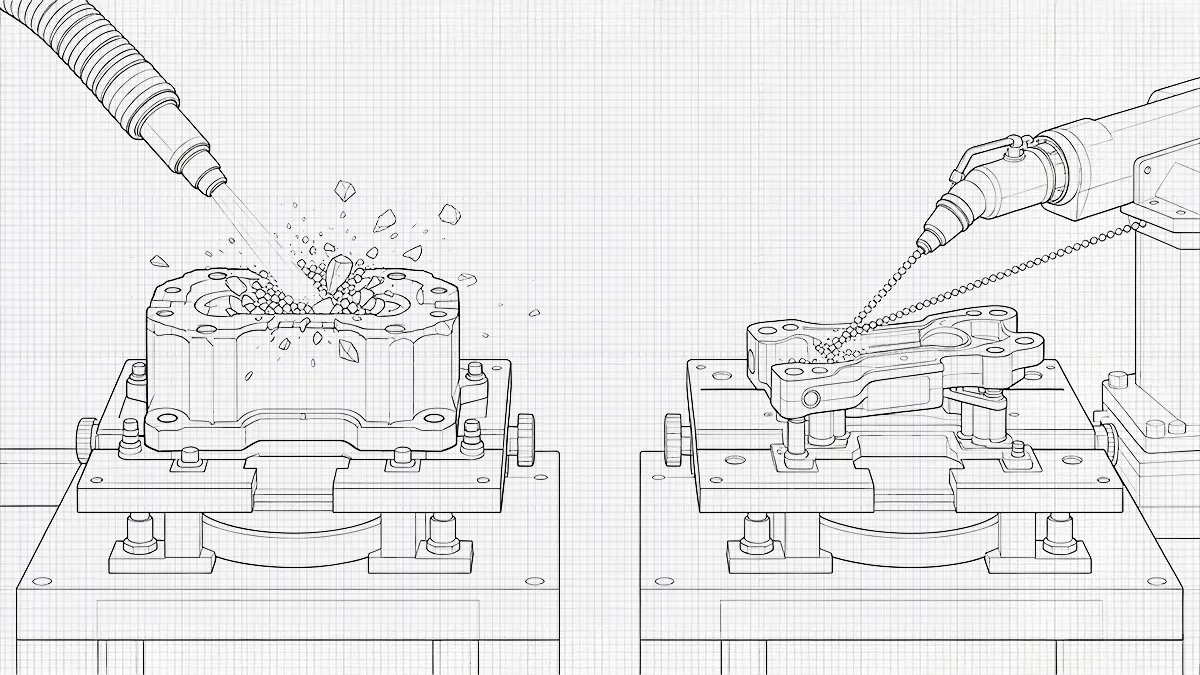
L'altro grande vantaggio è l'efficienza dei materiali. I processi di produzione additiva creano meno scarti, poiché il materiale viene depositato solo dove è necessario, rispetto ai processi di produzione sottrattiva come la lavorazione CNC. [4]. Ciò contribuisce a massimizzare le risorse e a ridurre i costi dei materiali, soprattutto quando si utilizzano materiali ingegneristici o metalli di valore superiore.
Inoltre, se si desidera realizzare una produzione a basso volume o personalizzare il prodotto, la stampa 3D è altrettanto utile. È ideale per la produzione su richiesta o per le applicazioni che richiedono pezzi di ricambio e prodotti personalizzati, perché i produttori sono in grado di creare pezzi unici o in piccoli lotti senza creare utensili dedicati.
Svantaggi della stampa 3D
Anche se i vantaggi che offre sono notevoli, la stampa 3D presenta ancora alcuni inconvenienti. Un problema comune è la velocità di produzione relativamente bassa dei pezzi prodotti in grandi quantità. La produzione additiva è eccellente per la prototipazione e la produzione di bassi volumi, ma per la produzione di alti volumi le tecniche tradizionali di produzione di massa, come lo stampaggio a iniezione, possono essere più efficienti.
Un altro problema è rappresentato dai materiali utilizzati nel processo di produzione. Il numero di materiali adatti alla stampabilità continua a crescere, ma non tutti i materiali possono essere lavorati efficacemente con la produzione additiva. Inoltre, a seconda della tecnologia di stampa e del materiale, alcuni componenti stampati possono avere proprietà meccaniche inferiori a quelle dei componenti prodotti in modo tradizionale.
Anche la finitura superficiale e le tolleranze dimensionali possono rappresentare un problema. In molti casi, le parti stampate in 3D devono essere sottoposte a processi aggiuntivi come levigatura, lucidatura, lavorazione o trattamento termico per ottenere l'aspetto e la precisione desiderati.
Applicazioni della stampa 3D
La tecnica di stampa 3D trova applicazione in molti settori industriali grazie alla sua versatilità e all'efficienza nella produzione di parti complesse. La fabbricazione additiva è utilizzata nel settore aerospaziale per produrre parti leggere per gli aerei, parti di turbine, staffe e parti di ugelli per il carburante, che migliorano le prestazioni e l'efficienza del carburante di un aereo.
La stampa 3D è essenziale anche per l'industria automobilistica per velocizzare i prototipi dei prodotti, creare parti personalizzate, utensili e ottimizzare le prestazioni.
In campo medico, la stampa 3D ha rivoluzionato la produzione di strategie di trattamento e dispositivi medici personalizzati. La tecnologia viene applicata negli ospedali e nelle aziende manifatturiere per creare protesi, impianti, allineatori dentali, guide chirurgiche e modelli anatomici personalizzati per i pazienti.
I produttori di beni di consumo utilizzano la produzione additiva per creare prodotti personalizzati, dispositivi indossabili, alloggiamenti di prodotti e per convalidare rapidamente i progetti. La tecnologia viene utilizzata anche nell'architettura e nell'edilizia: le stampanti su larga scala vengono impiegate per produrre strutture in calcestruzzo, componenti di edifici e prototipi architettonici.
La stampa 3D può anche fornire un metodo economico per la prototipazione e la sperimentazione di nuovi concetti nel campo dell'istruzione e della ricerca. Che si tratti di test di prodotti o di formazione tecnica in vari settori, studenti, ingegneri e ricercatori possono passare rapidamente dal concetto al modello fisico, consentendo l'innovazione e la creazione di nuovi prodotti.
Controllo di qualità nella stampa 3D
Ispezione della precisione dimensionale
L'ispezione dell'accuratezza dimensionale fornisce ai pezzi stampati precisione e accuratezza dimensionale. Le macchine di misura a coordinate (CMM), gli scanner laser e i sistemi di ispezione ottica sono spesso utilizzati dai produttori per controllare dimensioni, tolleranze e geometria.
In settori come l'aerospaziale, l'automobilistico e il medicale, dove le tolleranze sono fondamentali per il corretto funzionamento e la sicurezza, è particolarmente importante ottenere le dimensioni giuste.
Test sulle proprietà meccaniche
I test meccanici misurano la resistenza, la durata e l'affidabilità delle parti stampate in 3D durante il funzionamento effettivo. In genere si tratta di prove di compressione, trazione, impatto e/o fatica. Questi test possono determinare la durata delle parti stampate in presenza di sollecitazioni meccaniche, condizioni di temperatura e uso prolungato.
Trattamento e finitura delle superfici
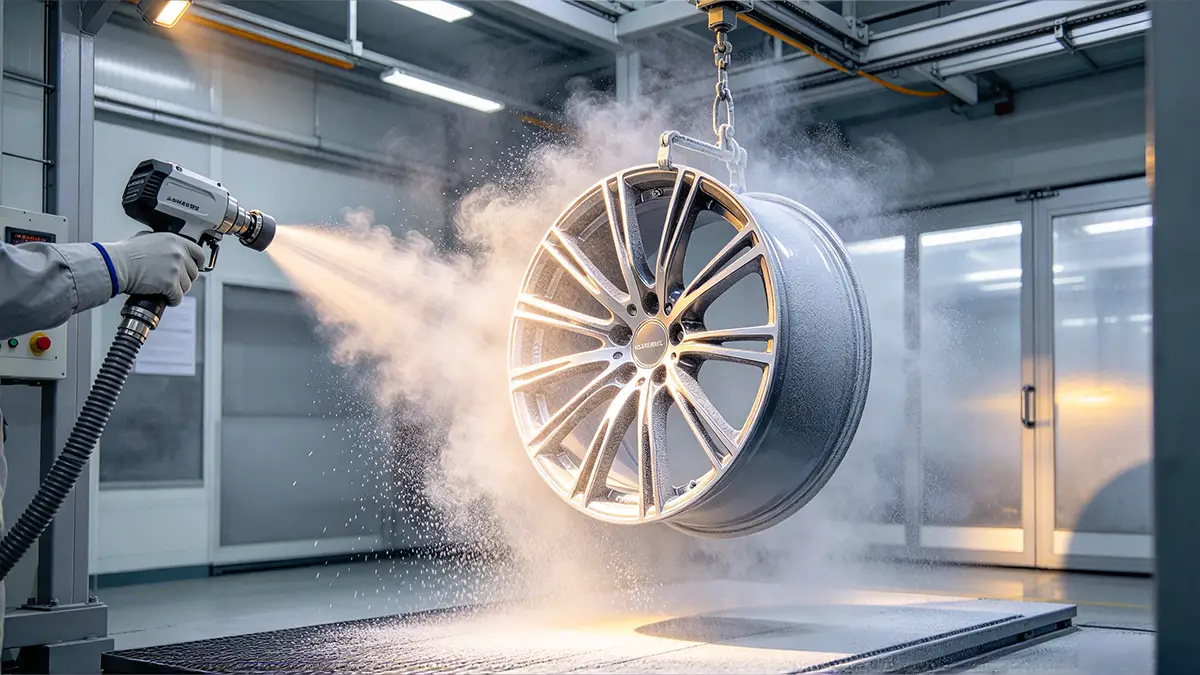
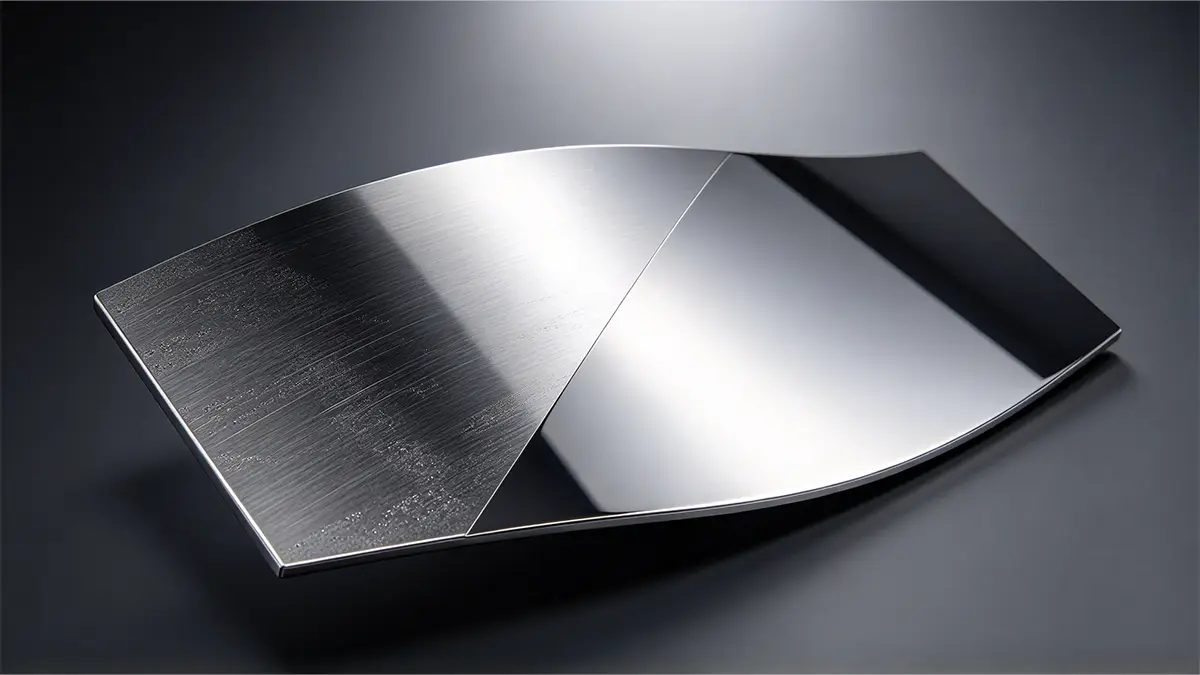
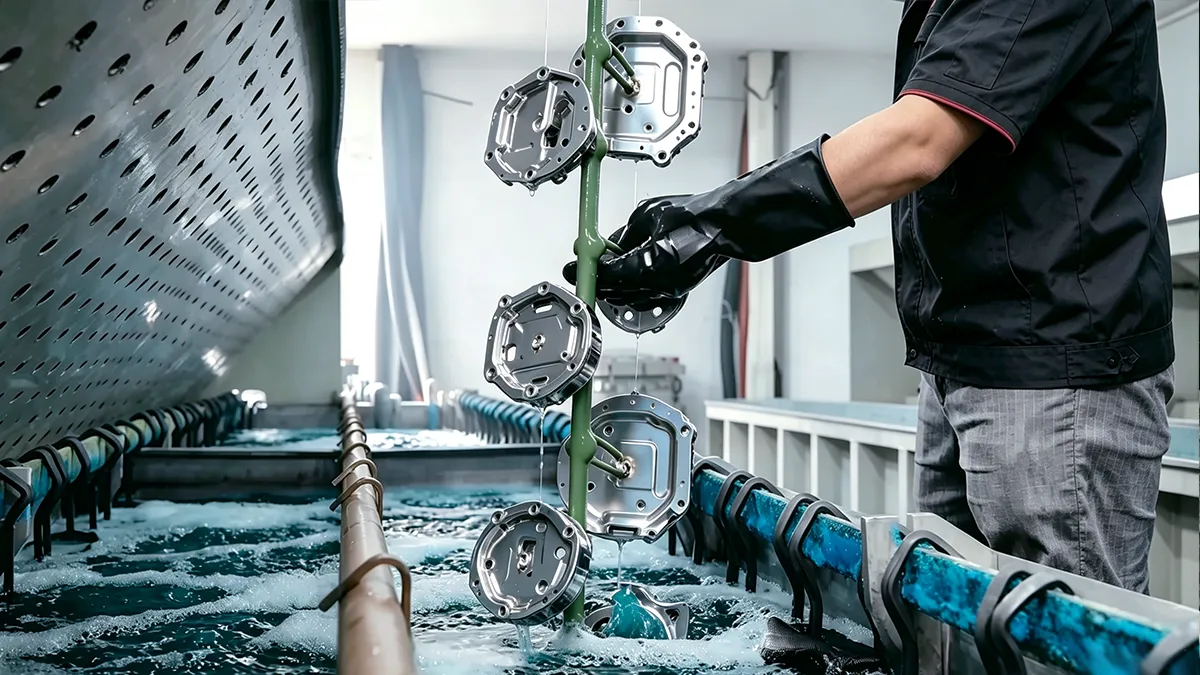
Molte parti stampate in 3D devono essere sottoposte a post-elaborazione per migliorarne l'aspetto, le dimensioni e le proprietà meccaniche. È possibile eliminare le linee di strato visibili e ottenere finiture più uniformi mediante metodi di trattamento della superficie, tra cui levigatura, lucidatura, sabbiatura, levigatura a vapore, verniciatura e lavorazione. Nel campo della fabbricazione additiva dei metalli, si possono utilizzare anche il trattamento termico e la pressatura isostatica a caldo per migliorare la densità, la resistenza e la stabilità dei materiali.
Difetti di stampa comuni e soluzioni
Se le impostazioni o le condizioni della macchina non sono controllate, il processo di stampa 3D può presentare diversi difetti. Un problema frequente, dovuto al raffreddamento differenziale e alla contrazione termica, soprattutto nei materiali termoplastici, è il cosiddetto warping.
L'incordatura si forma a causa di una quantità eccessiva di materiale fuso tra gli strati della stampa. La delaminazione può verificarsi quando gli strati non aderiscono correttamente, a causa di un controllo errato della temperatura o di una capacità di adesione insufficiente dei materiali.
I produttori controllano questi difetti ottimizzando i parametri di stampa, migliorando la calibrazione della macchina, controllando la temperatura dell'ambiente e utilizzando materiali di alta qualità. Anche l'utilizzo di un supporto adeguato, la gestione dell'umidità e la manutenzione regolare delle apparecchiature contribuiscono a ottenere una qualità di stampa e una qualità dei pezzi più affidabili.
Quali sono i materiali utilizzati nella stampa 3D?
Termoplastica
I materiali termoplastici sono tra i più utilizzati nella stampa 3D; sono versatili, economici e facilmente lavorabili. I materiali termoplastici più comuni vanno dal PLA all'ABS, al PETG, al policarbonato e al nylon. Questi materiali hanno diverse caratteristiche di resistenza, flessibilità, resistenza al calore, resistenza chimica e così via, in base ai requisiti di utilizzo.
Resine fotopolimeriche
Le resine fotopolimeriche sono liquidi che si trasformano in solidi quando vengono esposti alla luce ultravioletta. Sono una scelta comune per le tecnologie di stampa SLA e DLP grazie alla loro capacità di creare una finitura superficiale liscia e di ottenere un elevato grado di dettaglio. Sono disponibili resine specializzate per l'ingegneria, il dentale, il medicale e la fusione.
Polveri metalliche
I materiali in polvere come il titanio, l'acciaio inossidabile, l'alluminio, il cobalto-cromo e le leghe di nichel sono tipicamente utilizzati nella AM dei metalli. Le particelle di queste polveri sono accuratamente progettate per garantire una distribuzione granulometrica uniforme, la fluidità e la fusione durante il processo di stampa.
Compositi e ceramiche
Applicazioni speciali, come l'elevata resistenza al calore, l'isolamento elettrico o la resistenza all'usura, utilizzano materiali ceramici. [5]. I polimeri rinforzati con fibre di carbonio sono un altro esempio di materiali compositi che hanno una maggiore resistenza meccanica e rigidità e sono utilizzati in settori come quello aerospaziale.
Materiali sostenibili e biodegradabili
Il concetto di sostenibilità è diventato sempre più importante nell'AM. Il PLA è un materiale biodegradabile ricavato da materie prime rinnovabili come l'amido di mais e la canna da zucchero. Altri sforzi di ricerca si concentrano sulla creazione di compositi ecologici, bioresine e filamenti riciclabili per ridurre al minimo l'impronta ambientale dei processi produttivi.
Come si colloca la stampa 3D rispetto alla produzione tradizionale?
Stampa 3D vs lavorazione CNC
La lavorazione CNC è un metodo di produzione sottrattivo che utilizza gli utensili da taglio per eliminare il materiale dalle parti solide del pezzo. È un metodo consolidato per la produzione di componenti con tolleranze molto strette, buone finiture superficiali ed elevata precisione. La lavorazione CNC è particolarmente indicata per le parti metalliche e per le applicazioni di ingegneria di precisione.
A differenza della stampa 3D, in cui le parti vengono create strato per strato, l'aggiunta di materiale solo dove necessario consente di aumentare le opzioni di progettazione e di risparmiare materiale. Strutture interne complesse e geometrie leggere, difficili da lavorare tradizionalmente, possono essere realizzate con la produzione additiva.
Per le grandi produzioni, la lavorazione CNC può offrire velocità di produzione più elevate, una migliore finitura superficiale e una maggiore stabilità dimensionale rispetto ad altri processi.
Stampa 3D vs stampaggio a iniezione
Lo stampaggio a iniezione è una delle tecnologie produttive più efficaci per produrre pezzi in plastica in grandi quantità. Al termine dello stampaggio, il produttore è in grado di produrre migliaia o milioni di pezzi in modo molto rapido ed economico. Lo stampaggio a iniezione è inoltre molto ripetibile, ha una qualità di finitura superficiale e un'uniformità del materiale molto elevate.
Tuttavia, con la stampa 3D non sono necessari stampi e attrezzature costose. Questo può essere molto vantaggioso per le piccole tirature, i prototipi veloci e i prodotti personalizzati. I cicli di sviluppo si accorciano grazie alle modifiche di progetto che possono essere implementate senza bisogno di riattrezzature e non hanno costi elevati. Tuttavia, le tecnologie AM presentano degli svantaggi rispetto allo stampaggio a iniezione per la produzione di grandi volumi, come tempi di produzione più lenti e costi di produzione più elevati.
Impatto ambientale della stampa 3D
Vantaggi della riduzione dei rifiuti
La riduzione degli sprechi di materiale è uno dei principali vantaggi della stampa 3D per l'ambiente. Nei processi di produzione sottrattiva, come la lavorazione CNC, il materiale viene rimosso da un pezzo di materiale per creare il prodotto finale, mentre nella produzione additiva il materiale viene aggiunto solo dove necessario. [6]. In questo modo si migliora l'utilizzo dei materiali e si riduce al minimo la produzione di scarti, in particolare per i materiali ad alto costo o ingegneristici.
La produzione localizzata/on-demand può anche ridurre al minimo le esigenze di trasporto e di stoccaggio delle scorte. I produttori possono produrre pezzi più vicini al punto di utilizzo, riducendo le emissioni della catena di fornitura e limitando l'impatto delle spedizioni e dei magazzini globali.
Considerazioni sul consumo energetico
Sebbene il processo di fabbricazione additiva riduca al minimo gli sprechi di materiale, ci sono tecnologie che possono richiedere una quantità significativa di energia per la stampa 3D. I sistemi di stampa in metallo, i metodi di estrusione ad alta temperatura e le tecnologie laser richiedono spesso molta energia durante il funzionamento. Anche il tempo di stampa, le dimensioni della macchina, il materiale e la post-elaborazione influiscono sul consumo energetico.
Con l'arrivo di nuovi prodotti, i produttori si stanno concentrando sul miglioramento dell'efficienza delle macchine, sull'ottimizzazione dei parametri di stampa e sull'associazione di risorse energetiche rinnovabili ai siti di produzione. L'uso di apparecchiature più efficienti dal punto di vista energetico e di tecnologie di stampa più veloci contribuisce a ridurre l'impatto ambientale delle operazioni di produzione additiva.
Riciclaggio e produzione circolare
Il settore della stampa 3D si sta orientando verso il riciclaggio e la produzione circolare come priorità assolute. La maggior parte dei materiali termoplastici può essere riciclata e ritrattata in nuovi filamenti o materie prime per la stampa. Si stanno studiando anche polimeri biodegradabili, compositi riciclati e sistemi di resine sostenibili per ridurre al minimo l'impatto ambientale.
I flussi di lavoro della fabbricazione digitale contribuiscono inoltre a promuovere i principi dell'economia circolare, consentendo la riparazione, la rifabbricazione e la produzione di parti di ricambio senza l'uso di materiali inutili. È probabile che la manifattura additiva diventi una parte importante della produzione industriale sostenibile con il progredire delle tecnologie di riciclaggio dei materiali.
Conclusione
La tecnologia di stampa 3D si è trasformata da strumento di prototipazione rapida a tecnologia di produzione trasformativa, utilizzata nei settori aerospaziale, automobilistico, sanitario, edile e dei consumi.
La produzione additiva è diventata una parte indispensabile della produzione contemporanea grazie alla sua capacità di creare geometrie complesse, prodotti personalizzati e componenti a basso volume, riducendo al minimo gli sprechi di materiale. La velocità, la qualità e la scalabilità della stampa per il settore industriale sono in continuo miglioramento grazie ai progressi di software, materiali, automazione e precisione delle macchine.
Riferimenti
[1] Protolabs (2026). Che cos'è la stampa 3D? https://www.hubs.com/guides/3d-printing/
[2] Ashtari, H. (2022, 4 ottobre). Cos'è la stampa 3d e perché è importante nel 2026. https://www.spiceworks.com/it-hardware/what-is-3d-printing/
[3] Autodesk (2026). Stampa 3D: Passato, futuro, sfide e opportunità. https://www.autodesk.com/solutions/3d-printing
[4] Geomiq (2016). Quali sono gli svantaggi e i vantaggi della stampa 3D? https://geomiq.com/blog/disadvantages-and-advantages-of-3d-printing/
[5] Formlabs (2025). Guida ai materiali per la stampa 3D: Tipi, applicazioni e proprietà. https://formlabs.com/blog/3d-printing-materials/
[6] Sinret (2026). Impatto ambientale della stampa 3D. https://sinterit.com/3d-printing-guide/sustainability-in-3d-printing/3d-printing-environmental-impact/




 IT
IT  EN
EN  ES
ES  FR
FR  DE
DE  PT
PT  NL
NL  PL
PL  AR
AR  JA
JA  KO
KO  ZH
ZH