

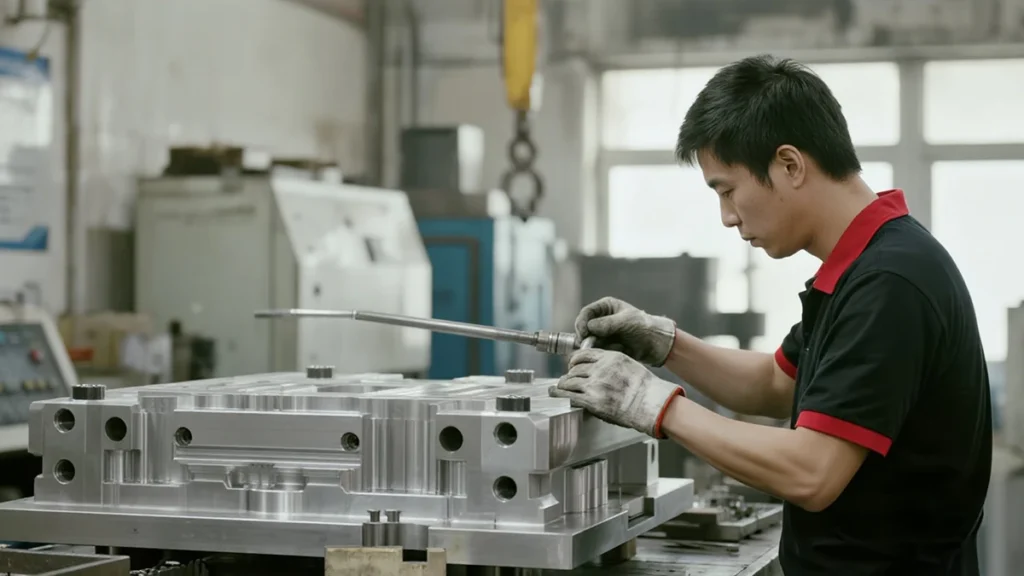
Molds are dummy shells of an anticipated part. When materials like molten plastic are injected into the mold cavity and pressed, they assume the shape of the cavity, creating the desired product as they cool and solidify. This enables a production line to mass-produce identical products. When a mold is made using aluminum alloy, it is called an aluminum mold. However, manufacturers can also use other materials to make molds. The name of the material used often comes before the mold, e.g.
- steel mold
- sand mold
- ceramic mold
- plaster mold, and so on
The type of material used for creating a mold will usually depend on the intended use. Expendable molds using sand, ceramics, and plaster are used for one-off product creation or when the mold needs to be adjusted frequently. Consequently, they can be used to create different products or parts of varying shapes and sizes. They are usually relatively affordable too, and best for low production volumes.
Aluminum molds, on the other hand, offer superior thermal conductivity and lighter weight and are used for molding low- to medium-volume plastic parts. Sometimes called soft steel, aluminum molds can be used in a line that creates 5,000 to 10,000 pieces of plastic products. In most cases, they serve as a temporary solution while the factory waits for the completion of steel molds for their production line. It is important to mention that some aluminum molds have steel handles to make them sturdier. However, the core and cavity, where the molten plastic is injected, are always made with aluminum.
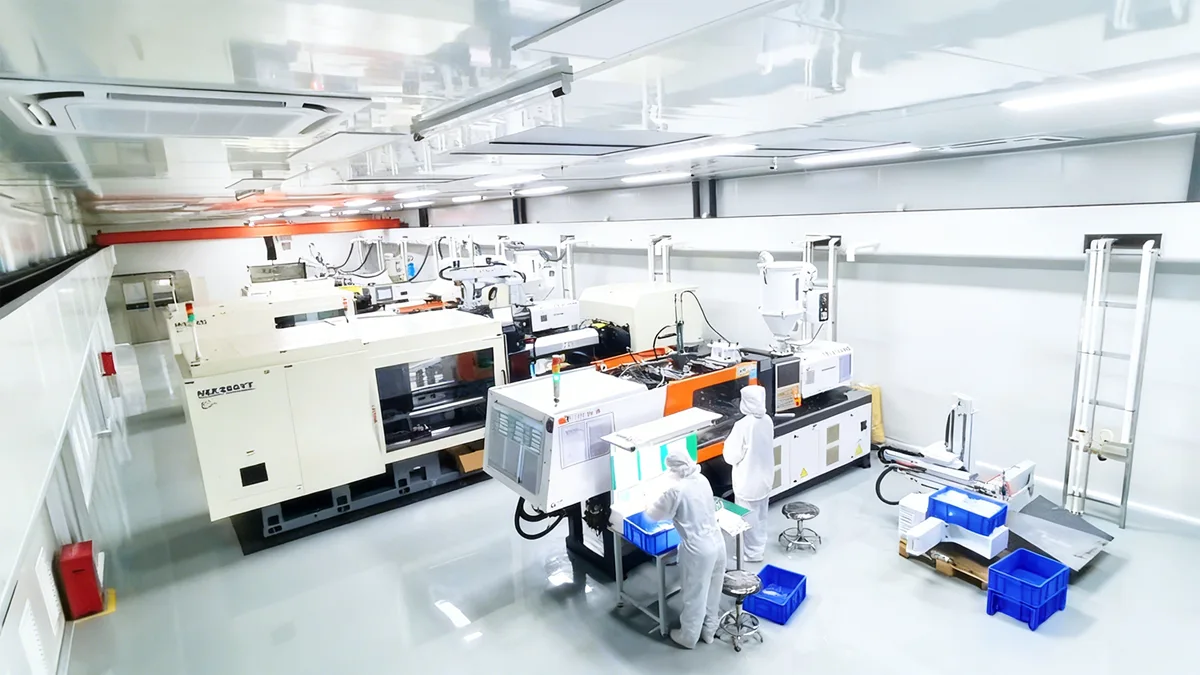
The technological evolution and fast-paced product delivery in certain industries, including electronics and automotive, have led to an increase in demand for ad hoc production lines that make precision products. These production facilities are designed to quickly create a large volume of niche products within a short time. This is where molds made with aluminum shine.
The Main Advantages Of Aluminum Molds Over Steel Molds
Molds made with aluminum have several short- to medium-term benefits compared to steel molds. They are usually chosen for their better thermal conductivity and machinability, which helps to speed up the molding process. The table below shows how aluminum and steel molds compare to each other.
A Table Comparing The Advantages Of Steel Mold and Aluminum Mold
| Benefits | Aluminum molds | Steel molds |
|---|---|---|
| Lead Time | On average, aluminum tools can be designed and created within 3 to 5 weeks or 15 to 25 working days. This makes them more suitable for projects that need to be delivered quickly. | It takes between 7 and 12 weeks to design and create steel tools, or 35 to 60 working days, depending on the complexity and size of the design. |
| Thermal Conductivity | Aluminum can dissipate heat up to 15 times faster than steel. When they are used to create molds, the heat from the molded plastic can be transferred 3 to 4 times faster than steel. Consequently, they cool and solidify faster, which lowers the time for each production cycle. | Steel dissipates heat at a slower rate, which means the material to be molded will spend more time in the cavity. This lengthens the production cycle and lowers the number of products that the facility can produce. |
| Faster Modification | When a product requires slight modification, it will be easier to achieve that with aluminum molds because aluminum is about one-third lighter than steel. | Small modifications will take a longer time to achieve with steel molds, leading to longer production downtime. |
| Machinability | Since they are lighter, it is easier to work with them, especially when making relatively complex shapes. | The higher density of steel makes them harder to shape. |
| Cost Efficiency | The combination of better heat dissipation and lowered production downtime means manufacturers can create more with aluminum molds in the short term compared to steel molds. | Lengthened production cycles due to poor heat dissipation mean longer downtime, which costs the manufacturer valuable time and money. |
Industry Application Of Aluminum Molds
Molds made with aluminum are increasingly becoming the first choice for manufacturers in different sectors for prototyping plastic parts (particularly those with complex geometries) or low-volume production cycles. Their cost-effectiveness and machinability make them excellent in such scenarios. Some of the industries where you will find aluminum molding tools in use include.
- Manufacture of consumer electronics: The plastic cases for phones, tablets, and laptops are mostly made using molding tools made from aluminum alloy. The faster heat dissipation of this material ensures higher consistency in product quality and lowers the appearance of burn scars and sink marks.
- Automotive and aerospace industry: Various parts of a car (like the center console and dashboard) and aircraft (like the yokes and throttle covers) are made using aluminum molds.
- Medical equipment industry: useful for both simple medical devices like the electronic blood pressure monitor and complex stationary devices like the MRI machines. Molding the medical-grade plastic external casing of medical devices using aluminum tools ensures consistency, even where complex shapes are involved.
- Toy industry for making dolls: Companies use the injection molding technique to make popular Barbie dolls and several other plastic toys. Aluminum is usually the choice of mold for cost efficiency and faster production cycles. In some cases, manufacturers use the injection molding technique to create the body and the rotational molding technique to create the limbs and heads before assembling them.
How To Make Aluminum Molds
The process of making the aluminum tools for injection molding requires precision skills. This is because a millimeter error in creating the mold will churn out products that won’t fit the desired intent. There are three key steps in bringing molds made of aluminum to life.
Step #1: Patternmaking
Just like your aluminum mold forms the model for molding plastic products, you need another material to be the model for making the desired aluminum part for the mold cavity. Foam, wood, wax, or plastic is usually the choice of material for making the model. In the past, skilled workers painstakingly shaped the models. Thanks to 3D printing, manufacturers can now create patterns with nanometer precision by directly printing from the CAD designs.
Step #2: Casting
The casting process can be done using sand or steel. In the case of sand:
- Place the pattern in a flask (a box with two sides)
- Fill the flask with molding sand and press it down to tighten the sand around the pattern.
- Carefully remove the pattern, leaving behind the empty cavity in the sand
- Pour the molten aluminum into the empty cavity until it is filled up
- Allow to cool and solidify
- Open the flask and remove the molded aluminum
In large-scale production, using sand may be time-consuming. Defects like mold distortion or sand inclusion may occur during pattern removal, leading to a defective aluminum mold. Instead, die casting using steel is more suitable. The pattern here is made of steel because of its high melting point and strength. The injection of liquefied aluminum into the mold cavity happens at high pressure. It is allowed to cool, and the molded aluminum is removed.
Step #3: Machining
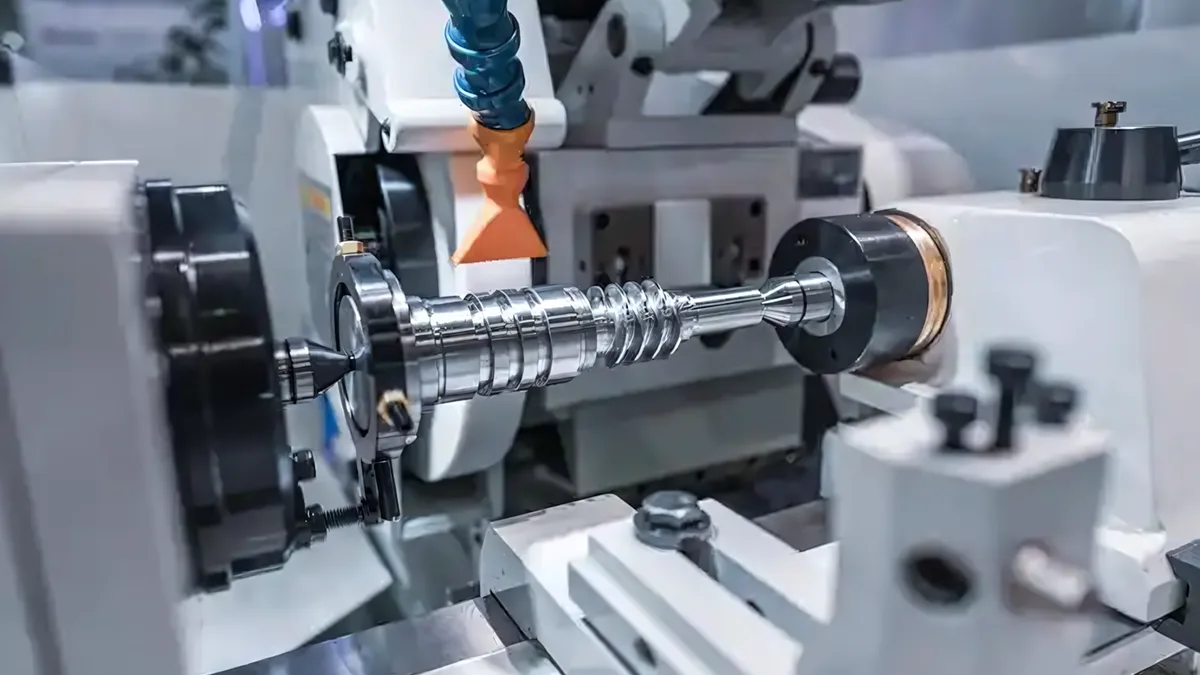
The end product is often with blemishes and rough on the outside. Therefore, it must be refined to perfection. The refining process may involve milling, drilling, or grinding out the rough edges and any leftover aluminum to achieve a polished finish. This is a very important process in the making of aluminum molds because any errors left on the mold will be transferred to the final product.
When To Choose Aluminum Molds
Whenever there are two alternatives, the question that always comes to mind is when you should pick one over the other. Between molds made of aluminum and steel, the answer is not always as clear as day. However, you may want to consider using aluminum molds if:
- You are running a low-volume production between 3,000 and 10,000 pieces
- You are creating a prototype of products for regulatory or investor assessment
- You need flexibility in design that requires rapid tooling. Find more about rapid tooling here.
- You are constrained by time and need to deliver products quickly
- The production is running on a tight budget that can’t accommodate a steel mold
- You need a temporary solution while waiting for the delivery of your steel mold
Note that aluminum molds have a shorter lifespan and may need to be replaced after 5,000-8,000 production cycles or fewer. This is because aluminum has lower resistance to wear and tear, particularly under high temperature and pressure molding conditions. Steel molds may continue to churn out products for more than 100,000 cycles.
Thus, you would have to replace your aluminum mold several times before a steel mold would have run its lifecycle. The cost of that replacement will soon add up. If you are in a production for a long haul where no modifications are required, a steel mold will make better economic sense over time.
How To Select A Good Aluminum Mold Manufacturing Factory
There is a popular saying that “You get what you pay for”. It goes beyond just the cash that leaves your pocket. Pick an aluminum mold manufacturer at random, and you may end up with regrets. Unsure of what to look out for when searching for a partner? Here are the important boxes the right manufacturer must check.
- Experience: The manufacturer should have a team with vast experience in aluminum casting using techniques like sand casting and die casting.
- Expertise: The level of experience should be verifiable through a catalog of successful deliveries.
- Technology: Manufacturers that embrace technological advancements in their field, like the use of 3D printing and CAD/CAM techniques, will lower lead time and deliver aluminum molds with better precision.
- Quality control: They should have a robust quality control process that ensures accurate and consistent production and performance. Learn about their testing procedure and certifications (including ISO 9001).
- Communication: Choose a manufacturer that will give you constant updates throughout the duration of the project. This helps to address any concerns that may come up along the way.
- Value for money: The most expensive aluminum mold manufacturer may not be the best, and vice versa. Manufacturers that advise on the best material for your mold based on your production needs, are transparent in lead times, and offer after-sales support will be more valuable in the long run than those that leave you to your fate.
The Future Of Aluminum Mold
At the moment, molds made with aluminum are not sustainable for long-term, large-volume production cycles. Researchers are continually innovating on ways to make the production and application of aluminum molds more sustainable and efficient. The adoption of 3D printing technology for making aluminum tools is one of the ways that researchers are beating the odds.
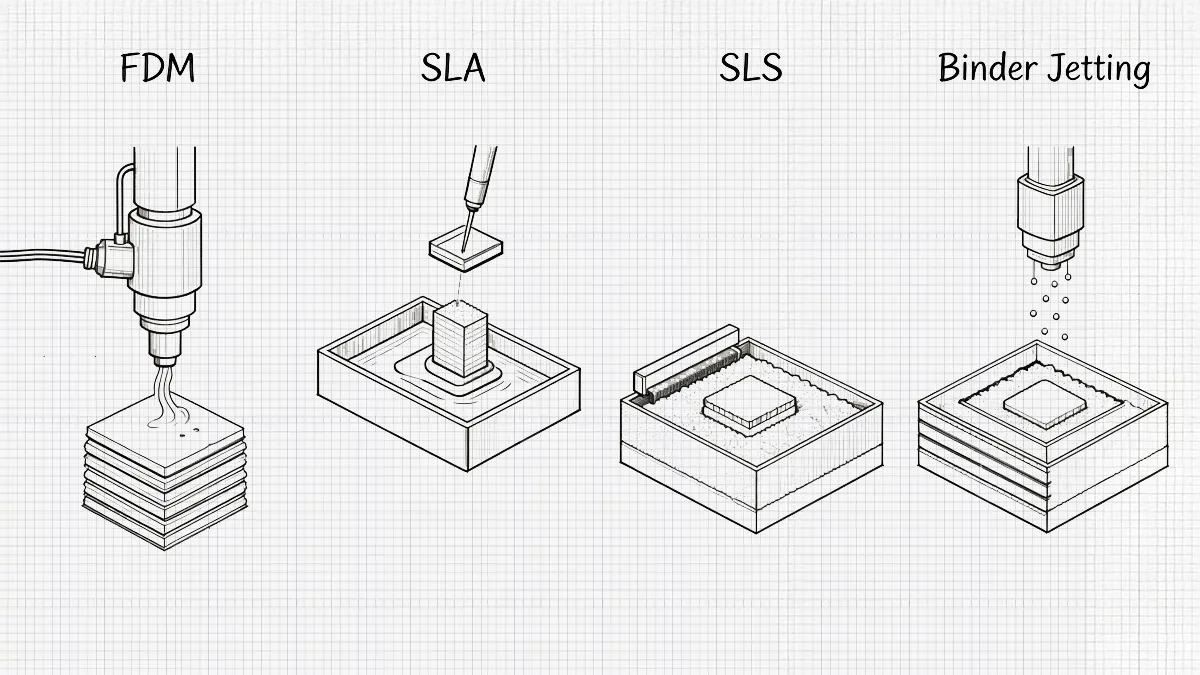
The use of 3D printing technology will rapidly cut down lead times and help manufacturers create molds with ultra-complex geometries beyond conventional machining capabilities, such as internal conformal cooling channels. Manufacturers achieve the 3D printing of aluminum molds through the following steps:
- Designing an inverse 3D CAD model of the mold using special software
- 3D-print your design using stereolithography or fused deposition modeling (FDM)
- Remove the supporting structures added by the printer during the printing process.
Digitalization & Surface Engineering
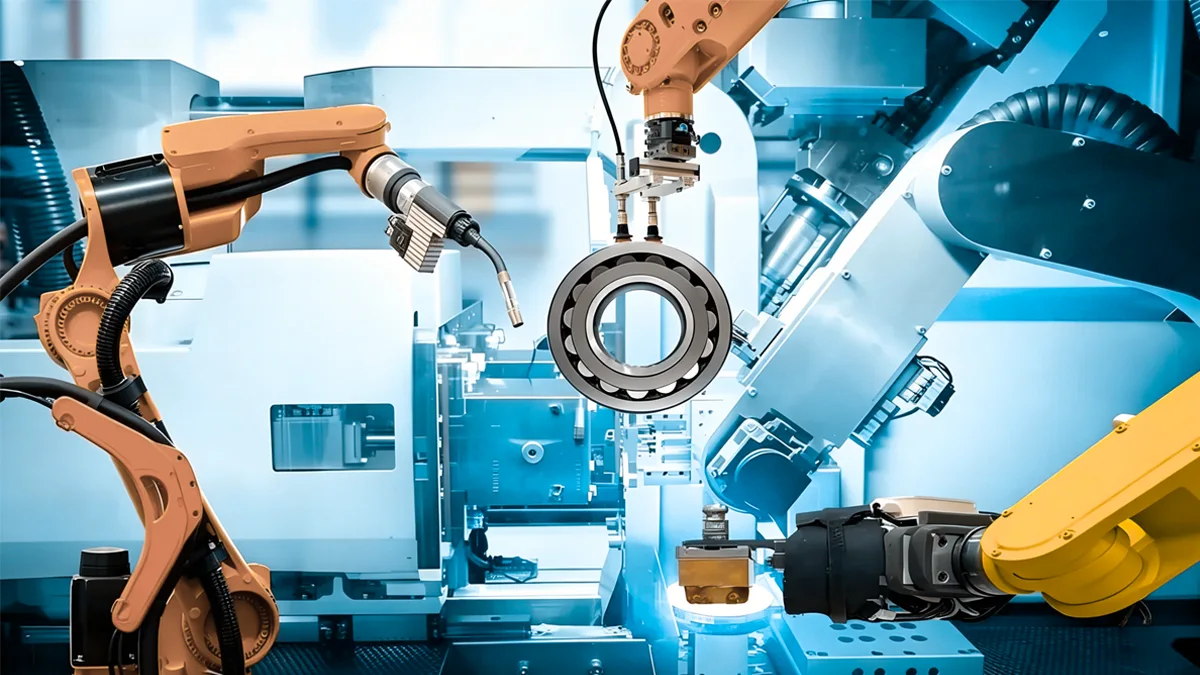
There is also an increasing drive towards digitization and automation. Digitizing the entire molding process will reduce cycle time and improve precision. Relying on digital tools for design and control will eliminate human error and ensure more consistent output.
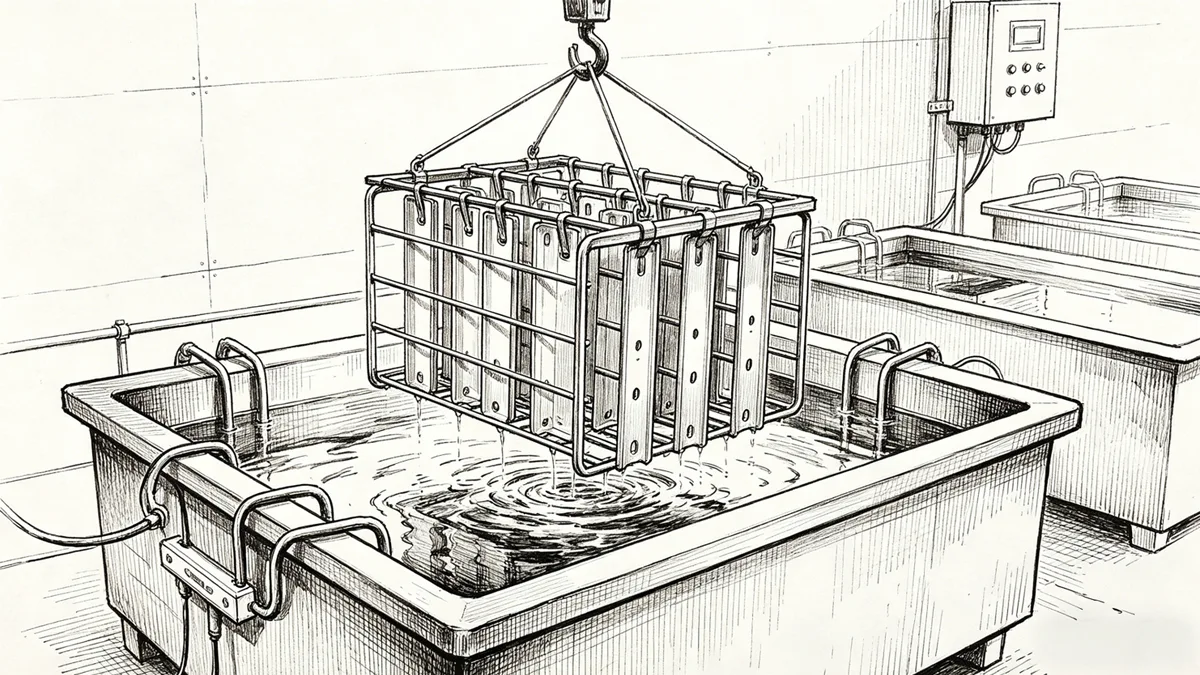
Manufacturers have also been making efforts to make aluminum more resistant to wear and tear through surface treatment. For example, the surface treatment of aluminum molds using physical vapor deposition (PVD) or anodizing is effective in improving their lifespan.
Some of the most popular PVD coatings are Diamond-Like Carbon (DLC), Titanium Aluminum Nitride (TiAIN), and Titanium Nitride (TiN). Manufacturers cover the mold surface with the preferred material using PVD to create a hard layer that is water-resistant. This protects the surface of the mold from abrasive forces during the process of injection molding.
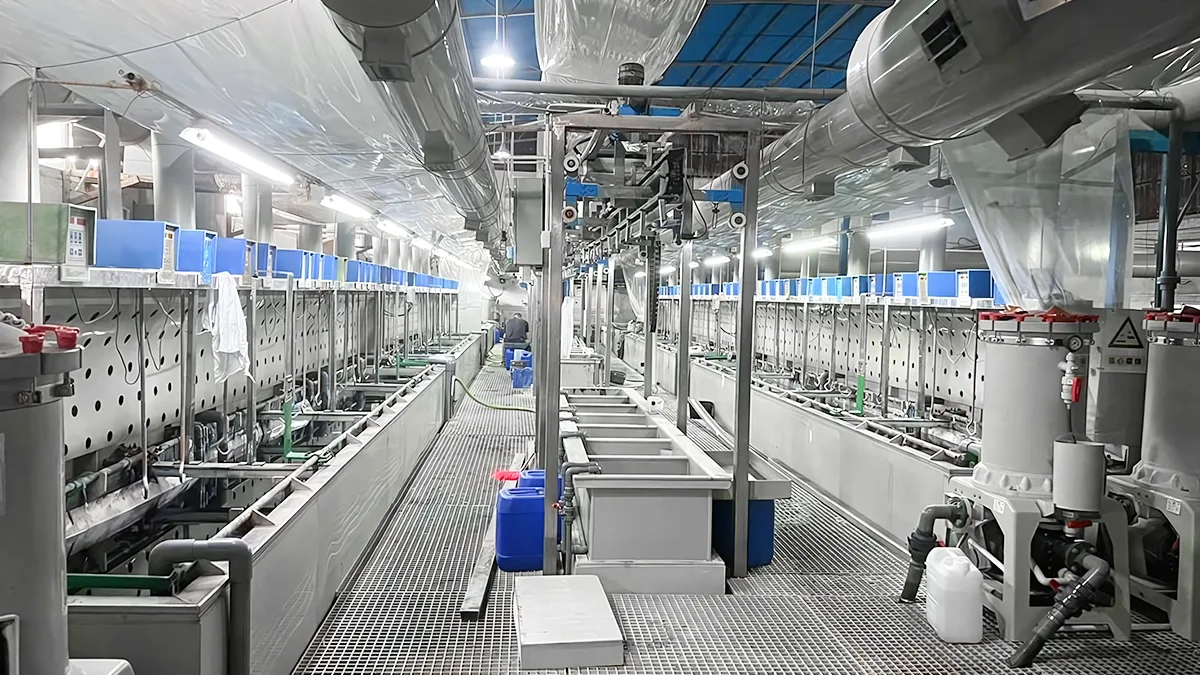
Anodizing, on the other hand, is an electrochemical process that creates a peroxide layer on the surface of the aluminum mold. This material increases surface hardness and enhances the tool’s ability to resist corrosion. These treatments help the manufacturer to enjoy all the benefits of aluminum mold with the added benefit of exceeding the 10,000 production cycle lifespan.




 EN
EN  ES
ES  FR
FR  DE
DE  IT
IT  PT
PT  NL
NL  PL
PL  AR
AR  JA
JA  KO
KO  ZH
ZH